
Stop Guessing at the Grocery Store, Build a Master List Instead
The Story
I have a confession.
I genuinely love grocery shopping.
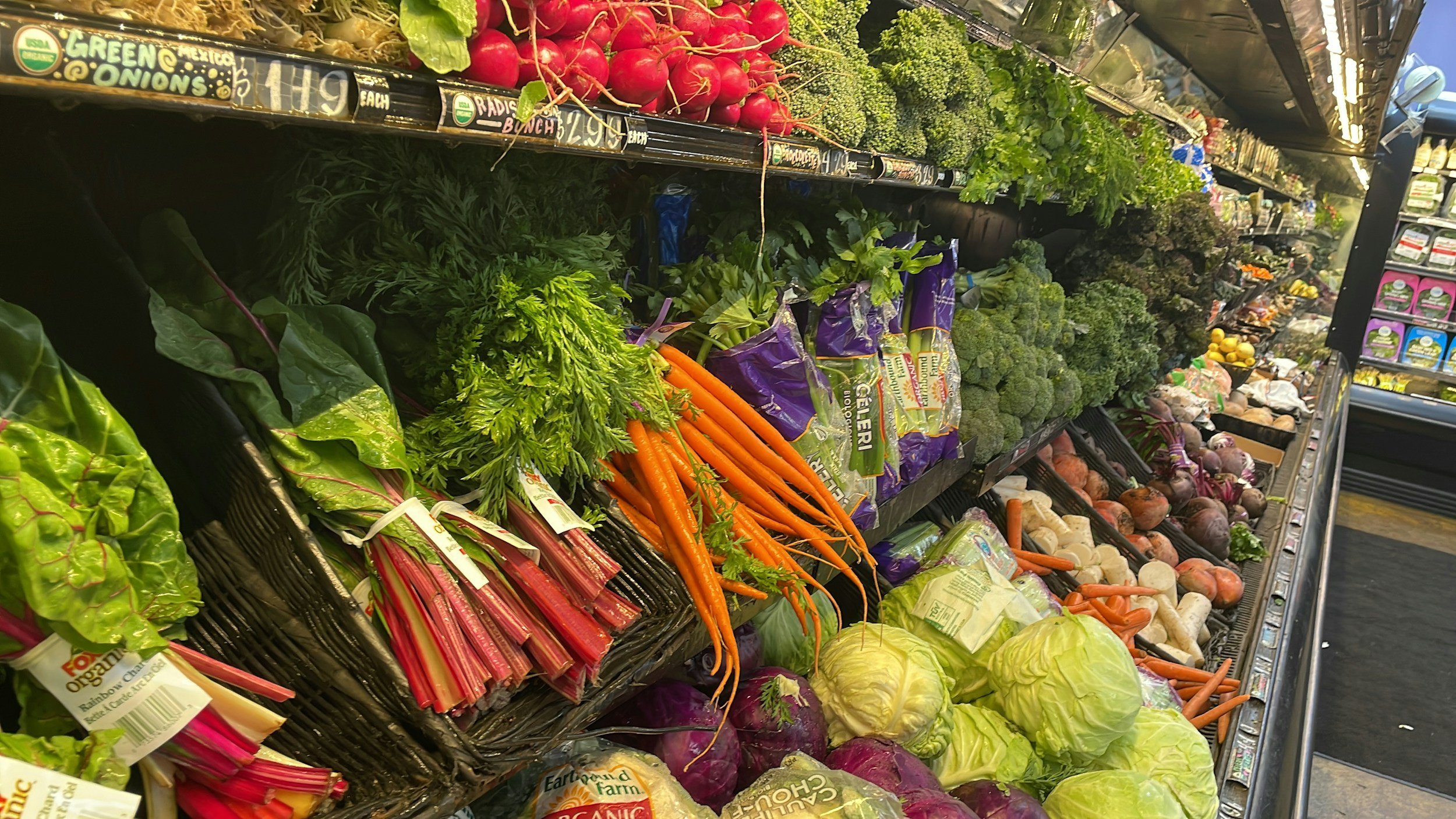
Like… it’s one of my favorite things to do. I love walking the aisles, spotting deals, seeing what’s new. I have a full hawk-eye for discounts. But my favorite part? Produce. Always.
I will stand there comparing avocados for minutes. If something is priced per item, I’m finding the biggest one. That’s just strategy.
Then I get home, unpack everything, and feel so excited about the meals I’m going to make. And the best feeling is knowing… I got everything I need, nothing I don’t, and this trip was dialed in.
But it was not always like this.
I used to go to the grocery store with no plan. Just vibes. I’d go whenever I realized I was low on, like, everything, wander the aisles hoping inspiration would strike, and then get home with the most random collection of food.
Bananas. A jar of olives. Canned beans. Baking powder.
Like… what is that?
I’d open my fridge later and feel stressed, like I had food, but nothing that actually turned into a meal.
Eventually I realized I was making this way harder than it needed to be.
And the thing that changed everything for me was creating a Master Grocery List.
Why You’ll Love It
You stop wandering the store aimlessly
You always have the ingredients to make real meals
You save money by avoiding random impulse buys
You waste less food
You don’t have to “figure it out” from scratch every week
Grocery shopping actually becomes… kind of fun (at least I think so)
What Is a Master Grocery List?
A Master Grocery List is a list of everything you would ideally have in your kitchen if it was fully stocked the way youwant to be eating.
Not a random list. Not a weekly list.
A master list.
It’s organized into categories and built around how meals actually come together.
And here’s the key mindset shift:
This is not a list of what you currently eat on autopilot.
It’s a list of what the version of you you’re becoming eats.
So no shade, but I’m not talking about putting Oreos, Takis, and Pop-Tarts on here.
You can still buy those if you want. This isn’t about restriction.
But this list? This is your foundation.
This is your “I can open my kitchen and make a real meal without overthinking it” list.
The Real Goal
The goal is simple.
You come home tired, open your fridge, and you have what you need to make something nourishing.
Not just bananas and a jar of olives.
The Biggest Misconception
Most people think this means you need to have everything on the list at all times.
You don’t.
You just need to have enough from each category.
That’s what actually creates meals.
Instead of spending your whole budget on random items, you make sure you have a few options in each of the building blocks:
Protein (for me, legumes like beans, lentils, tofu, tempeh)
Grains and starchy vegetables
Vegetables and leafy greens
Fruits
Plant fats (nuts, seeds, avocado, etc.)
Herbs, spices, and condiments
That combination alone gives you endless possibilities.
That’s the difference between “I technically have food” and “I can make dinner.”
How to Build Your Master Grocery List
When you first create your list, keep it simple.
Start by writing out your categories, then fill in foods you actually like and use.
And I really mean that.
Only add foods you enjoy.
I made the mistake of adding things because I thought I should eat them. I literally added green beans… and I hate green beans. And I had this moment of like, why am I doing this?
This list is for you. Not for impressing anyone.
Also, don’t worry about getting it perfect. This is a living list. You’ll add things, remove things, and adjust it over time as your preferences change.
Where to Keep Your List
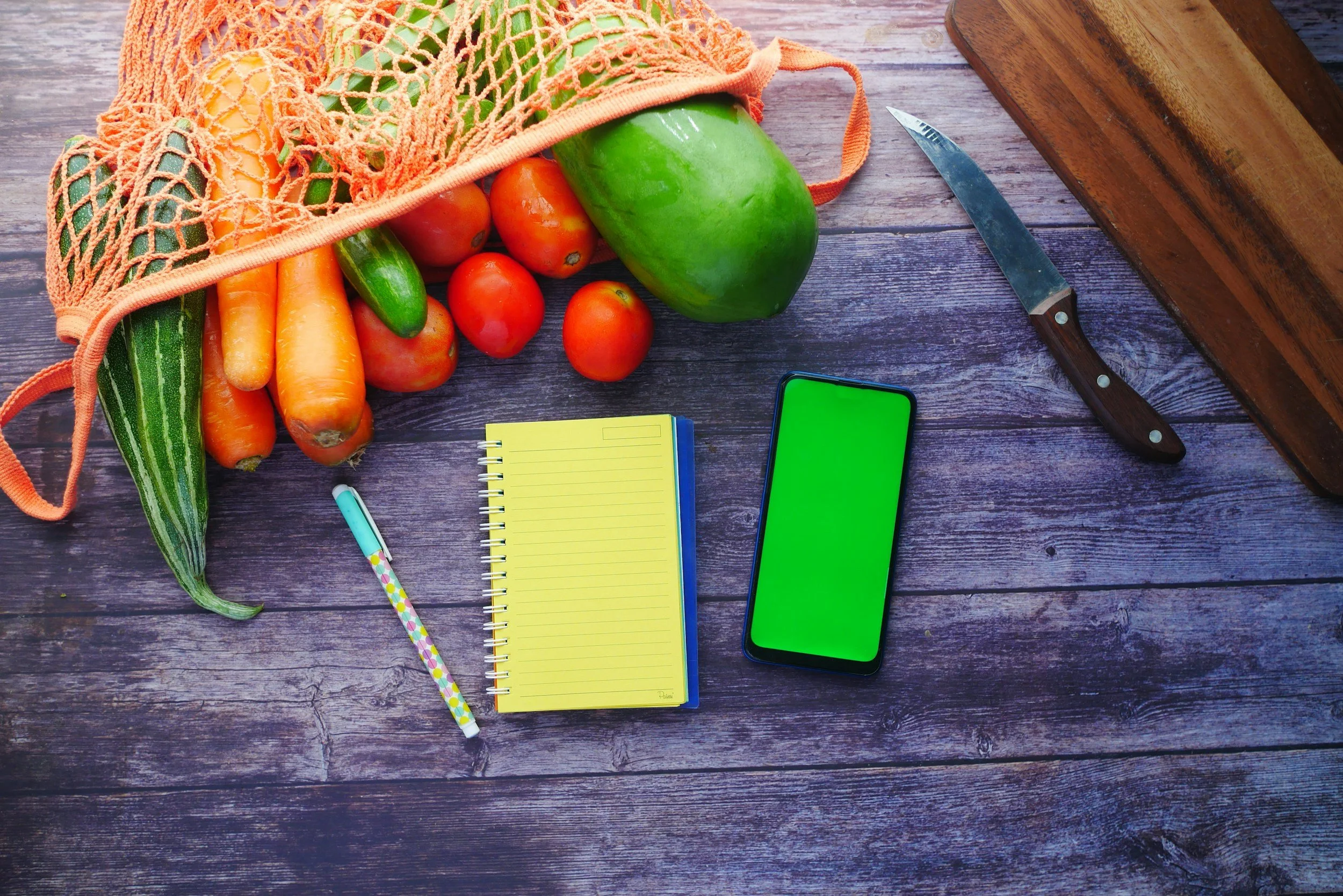
You can write it out on paper, old school style, but I personally highly recommend keeping it digital.
The simplest option is your phone’s notes app. Just organize it by category and use checkboxes for what you need.
If you want something a little more structured (like I do), I’ve used apps like Out of Milk and CookBook.
Out of Milk is great if you want something simple. You can create a “pantry” list, which acts as your Master List, and then move items you’re out of onto your weekly shopping list.
CookBook is a bit more all-in-one. You can still keep your regular items list, but it also lets you save recipes, plan your weekly menu, and build a grocery list from those if you want.
But honestly, you don’t need an app. The goal is just to have your list somewhere you can easily update and actually use.
How to Use It Each Week
Before you go shopping:
Do a quick check of your fridge, freezer, and pantry
See what you already have
Go through your Master List and mark what you’re out of or low on
That becomes your grocery list.
That’s it.
No guessing. No starting from scratch.
A Quick Reality Check (Don’t Skip This)
Don’t go grocery shopping when you’re hungry.
I know. You already know this. But like… actually don’t.
Because when you’re hungry, you are not your calm, logical self. You’re in survival mode.
Everything looks good. Everything feels necessary. Suddenly you’re buying three dips and a snack you’ve never seen before in your life.
Then you get home and you’re like… why did I buy this?
Even just having a small snack before you go makes a huge difference.
Your Master List is your plan, but not being starving is what helps you stick to it.
A Few Extra Tips That Help
Have a consistent shopping day so you don’t run out of staples
Rotate your food, use older items first
Keep a few go-to meals in your back pocket so you know how to use what you buy
Remember that not everything is always available, especially produce, so your list is more of a rotation than a rigid checklist
The Bigger Picture
This might seem like a small thing.
It’s just a grocery list, right?
But it’s actually one of those habits that, over time, changes everything.
Your shopping gets easier.
Your meals get easier.
You waste less food.
You feel more in control of your kitchen.
And over time, you become someone who just… has their kitchen together.
Not perfectly. Not all the time.
But enough to make your life a whole lot easier.
Give It a Try
Start your Master Grocery List this week.
Keep it simple. Adjust as you go.
You don’t need perfection. You just need a system.
And I think you’re going to be surprised how much this changes things.
Happy shopping!
Example Master Grocery List:
Here’s a super simple example of what a Master Grocery List could look like. This is just meant to give you an idea of how you could organize things.
I highly recommend creating your own version, ideally in a digital format that you can easily update over time. Your list should reflect what you actually like to eat, what you cook most often, and what’s realistic for your routine.
As a general guideline, I like to keep at least three options from each main category stocked at home. For me, those categories are legumes, starches (like whole grains and starchy vegetables), vegetables (including leafy greens), fruits, and plant-based fats. Condiments are totally flexible and up to your taste.
Having a few options in each category makes it so much easier to throw together balanced, satisfying meals throughout the week, without needing to rely on a specific recipe every time.
Legumes
Black beans
Pinto beans
Chickpeas (garbanzo beans)
Lentils (green, brown, red)
Kidney beans
Cannellini (white beans)
Split peas
Edamame
Tofu
Tempeh
Whole Grains
Brown rice
Quinoa
Farro
Barley
Oats (rolled or steel cut)
Polenta/masa
Whole grain pasta
Whole grain tortillas
Whole grain bread
Starchy Vegetables
Potatoes (russet, gold, red)
Sweet potatoes
Winter squash (acorn, butternut)
Vegetables
Potatoes (russet, gold, red)
Broccoli
Cauliflower
Carrots
Bell peppers
Zucchini
Mushrooms
Cucumber
Tomatoes
Green beans
Garlic
Onions
Brussels sprouts
Leafy Greens
Spinach
Kale
Arugula
Romaine
Fresh herbs (basil, parsley, cilantro)
Fruits
Apples
Bananas
Berries (fresh or frozen)
Oranges
Cherries
Pears
Kiwi
Grapes
Mango (fresh or frozen)
Pineapple
Nuts & Plant Fats
Almonds
Cashews
Walnuts
Pecans
Peanuts or peanut butter
Chia seeds
Flax seeds
Hemp seeds
Tahini
Avocado
Olives
Coconut (flakes, milk, or cream)
Condiments & Flavorings
Soy sauce or tamari
Miso paste
Nutritional yeast (“nooch”)
Vinegars (balsamic, apple cider, red wine)
Mustard
Salsa/hot sauce
Sauerkraut/kimchi
Maple syrup or date syrup
Curry paste or chili paste
Plant milk
Dried herbs, spices, and seasonings
