
Why it’s so Hard to “Eat Your Damn Vegetables”
The other day I was watching a cooking competition show with my family, and one of the dishes being judged was this huge piece of meat with a “pea salad.”
And when they set the plate down… the salad was literally three pea pods. 🫛🫛🫛
That was it. Three peas. Apparently that counted as the vegetable component of the dish.
And honestly, that’s kind of how a lot of people approach vegetables. They’re technically there… but barely.
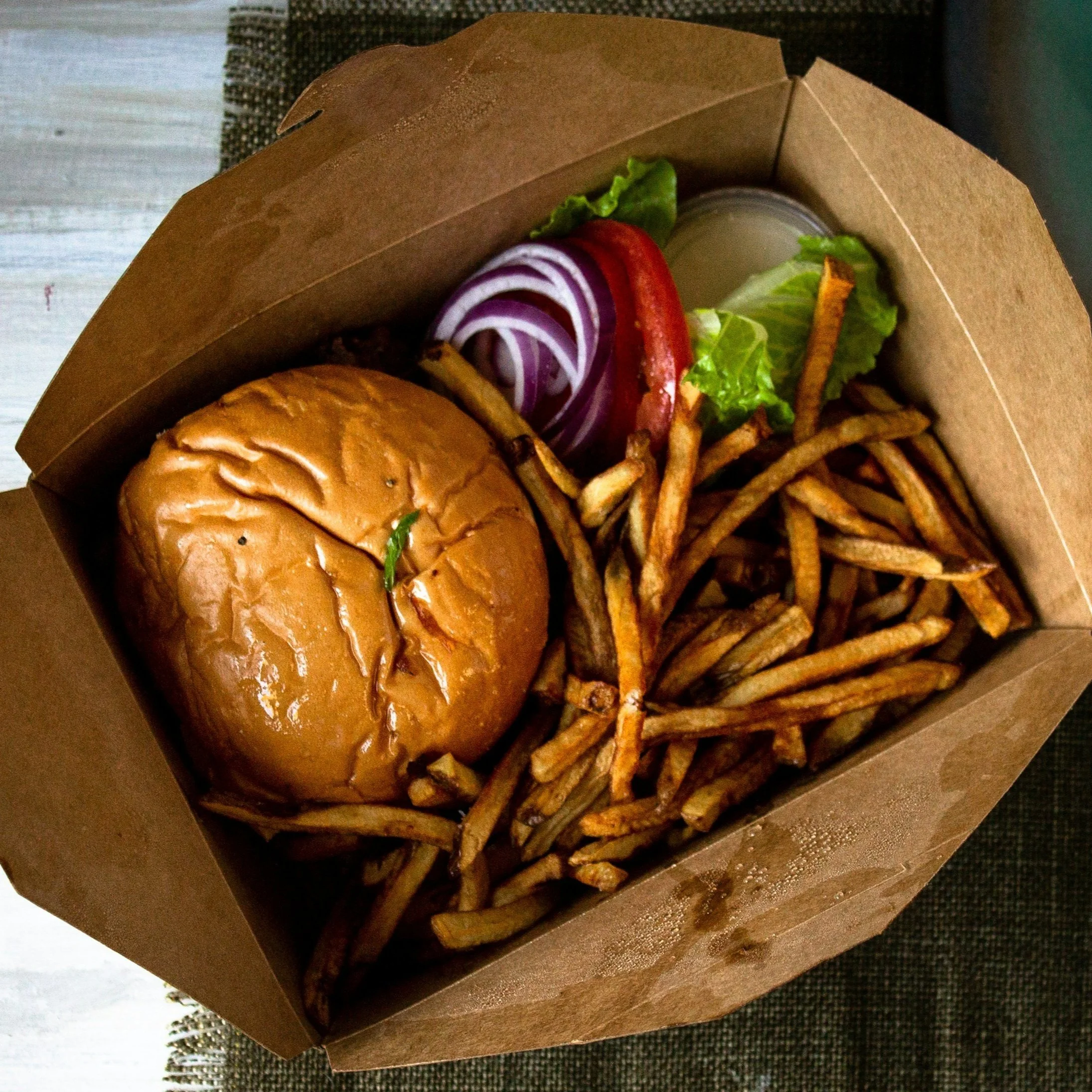
Most people do “eat vegetables” in the sense that their diet contains some plant matter. But that box can be checked without really getting the benefits vegetables are meant to provide. Because let’s be real, the single leaf of iceberg lettuce and slice of tomato on a burger doesn’t exactly count as getting your vegetables.
If we zoom out and ask what the actual goal is, it’s something closer to filling about one-third to one-half of your plate with vegetables at most meals.
And for most people, that’s a pretty big gap from how they’re currently eating.
So the question is… why?
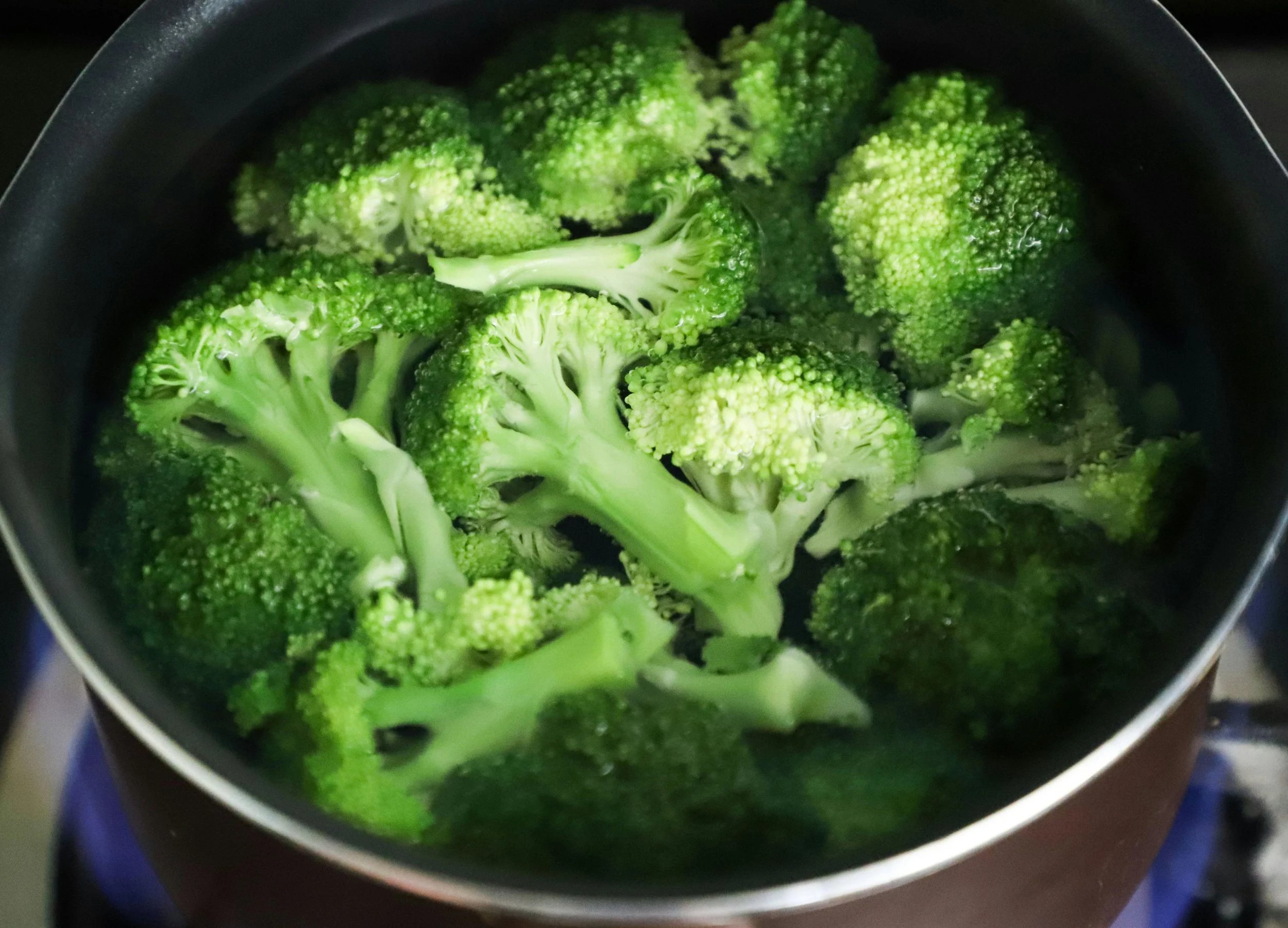
Why do vegetables feel like a chore for so many people? Why does pizza almost always win over broccoli?
A lot of people assume it comes down to discipline.
It doesn’t.
Times have changed. Like, really changed.
Humans have spent 299,900 out of 300,000 years in some level of food scarcity. Only in the last 0.03% of our existence have we lived in a world where food abundance is common.
Fast forward to today, thankfully most of us no longer struggle with finding enough food- in fact, we have the opposite problem. We’re surrounded by food everywhere we go, and highly processed, hyper-palatable options are more accessible than ever.
Your Brain is Running on Outdated Software
Getting enough calories wasn’t guaranteed. It could take 5+ hours a day just to secure food. So naturally, the people who survived were the ones whose brains pushed them to seek out the most calorie-dense options available.
Calories = survival.
And our brains evolved accordingly.
We are hardwired to prefer foods that contain:
sugar (quick energy)
fat (dense energy)
salt (essential electrolytes)
These were incredibly valuable in nature… because they were hard to find.
There were no Dorito trees on the African savannah.
Now compare that to vegetables.
Most vegetables are:
low in calories
high in fiber
and often slightly bitter
From a survival standpoint, they weren’t the most efficient source of energy, even though they’re incredibly nutrient-dense.
That bitterness? It’s not random.
Many vegetables contain natural bitter compounds, which historically could signal toxins in wild plants. So humans evolved a cautious response to bitter flavors.
Interestingly, those same compounds are now known to be beneficial. Through a concept called hormesis, small amounts of these plant compounds can actually trigger protective, anti-inflammatory responses in the body. I think that’s just super cool.
But your brain doesn’t care about that.
Your brain is still operating on ancient rules:
“Find the most calories possible.”
The Modern Food Environment Changed Everything
Fast forward to today, and the problem isn’t scarcity. It’s abundance.
Food is everywhere. It’s convenient, cheap, and available 24/7.
And on top of that, highly processed foods are specifically designed to be extremely rewarding.
They combine sugar, fat, salt, and texture in ways that hit your brain’s reward system hard. When you eat them, your brain releases dopamine, which reinforces the behavior and makes you want more.
So when a brownie feels more exciting than broccoli, that’s not a lack of willpower.
That’s biology.
Vegetables didn’t get worse. Everything else just got really, really good.
"With time, everything changes."
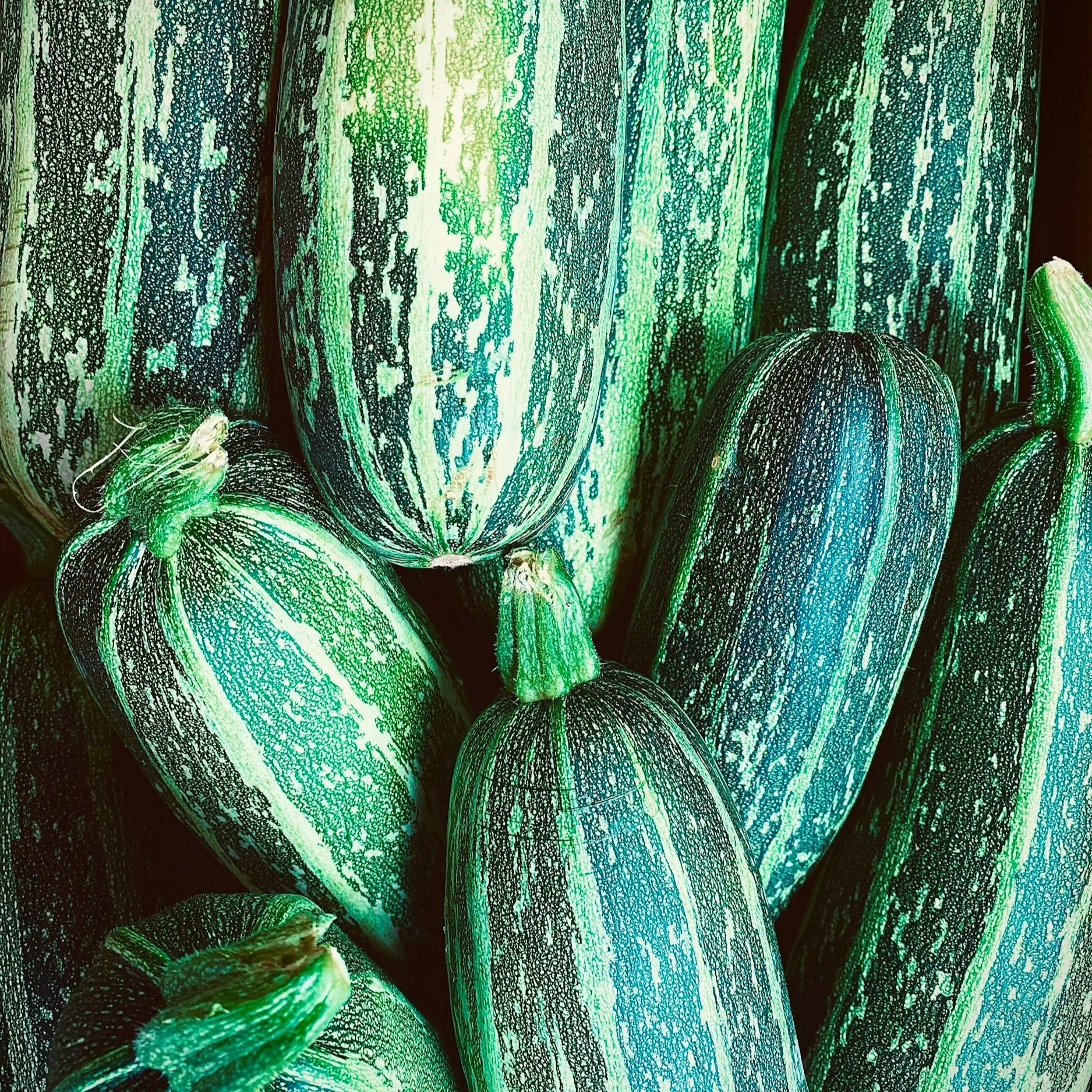
If you had told me years ago that I’d crave steamed zucchini as much as I once craved Cheetos, I would have thought you were out of your mind!
Your Taste Preferences Aren’t Fixed
A lot of people believe they “just don’t like vegetables.”
But taste is incredibly adaptable.
A huge portion of what you like is simply what you’re used to eating.
This comes down to exposure.
The more often you eat a food, the more normal it becomes. The less often you eat it, the more unfamiliar and unappealing it feels.
This starts in childhood.
If you grow up eating vegetables regularly, they feel normal. If you grow up eating mostly highly processed foods, vegetables can feel bland or even strange by comparison.
And when your brain is used to highly stimulating foods, whole foods can feel underwhelming at first.
But here’s the important part:
Your brain can recalibrate.
As you eat more whole foods and fewer hyper-processed foods, your taste sensitivity changes. Subtle flavors become more enjoyable. Foods that once seemed boring start to taste good.
I’ve experienced this myself many times.
I used to have a long list of vegetables I didn’t like. Now, I genuinely crave them. If my plate doesn’t have a solid amount of vegetables, something feels off.
That didn’t happen overnight.
It happened through repetition.
“What Do I Even Do With This?”
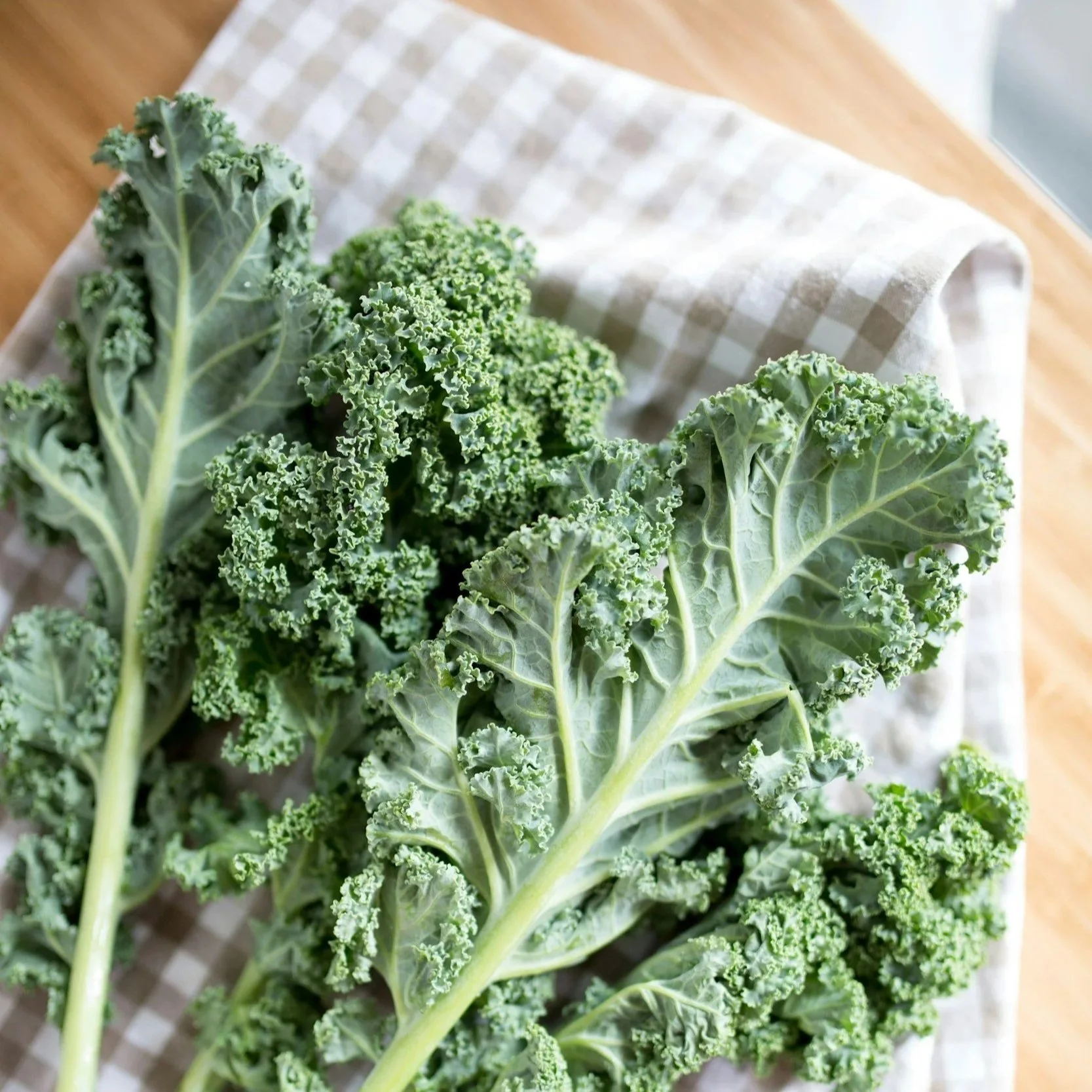
I saw this play out perfectly on that same cooking show. One of the contestants, who mostly ate fried and processed foods according to him, was given kale as an ingredient to use. He held it up like it was from another planet, took a bite, made a face… and had no idea what to do with it. 😂
And honestly, fair enough, raw kale isn’t exactly a great first impression. But it’s a perfect example of how our perception of vegetables can get a little warped based on what we’re used to eating.
Change Feels Uncomfortable (And That’s Normal)
Food isn’t just fuel.
It’s comfort. It’s routine. It’s culture. It’s something many of us rely on for stress relief or enjoyment.
So when you start changing how you eat, it can feel weird. Even uncomfortable.
That doesn’t mean you’re doing something wrong.
It just means you’re stepping outside of what’s familiar.
And like anything else, that discomfort fades as your new habits become your new normal.
How to Actually Make Vegetables Easier
Understanding the “why” is helpful.
But what do you actually do with that?
The biggest mistake people make is trying to overhaul everything overnight.
That usually backfires.
A much easier and more sustainable approach is this:
1. Add, Don’t Overhaul
Instead of focusing on what to cut out, focus on what you can add.
Add vegetables to meals you already enjoy.
This lowers resistance and makes the process feel a lot less overwhelming.
2. Start with Familiar Meals
Think:
pasta
tacos
stir fry
soups
grain bowls
You don’t need to eat plain vegetables on the side.
(Justice for vegetables… they deserve better than being an afterthought.)
3. Focus on Flavor
A lot of people think they hate vegetables… but really, they’ve just had poorly prepared vegetables.
Cooking method matters a lot.
Try:
roasting with a little olive oil and salt
sautéing with garlic and spices
adding sauces or dressings
blending into soups or sauces
Even simple changes can make a huge difference.
4. Start with What You Like
Begin with vegetables you already tolerate or enjoy.
Increase the amount slowly.
Then branch out and try new ones over time.
5. Revisit Old “No” Foods
Your taste buds have changed since you were a kid.
Foods you used to hate might actually be enjoyable now.
(I used to hate Brussels sprouts. Now I love them. Really!)
6. Give Your Body Time to Adjust
If you’re increasing fiber intake, go slowly.
Your gut needs time to adapt.
This is another reason why gradual change works better than drastic change.
7. Approach It with Curiosity
This is not about forcing yourself to suffer through sad salads.
It’s about experimenting, trying new things, and finding ways to make vegetables genuinely enjoyable.
The Bottom Line
If eating vegetables feels hard, you’re not broken.
Your brain is doing exactly what it was designed to do.
But humans are incredibly adaptable.
With repeated exposure, better preparation, and a little patience, your preferences can change.
And eventually, vegetables stop feeling like something you should eat…
…and start feeling like something you actually want. 💚
