
New to the Global Flavor Atlas?
Check out From Map to Meal to learn how to turn these ingredient guides into delicious, globally inspired dishes!
Latin America & Caribbean
Andean
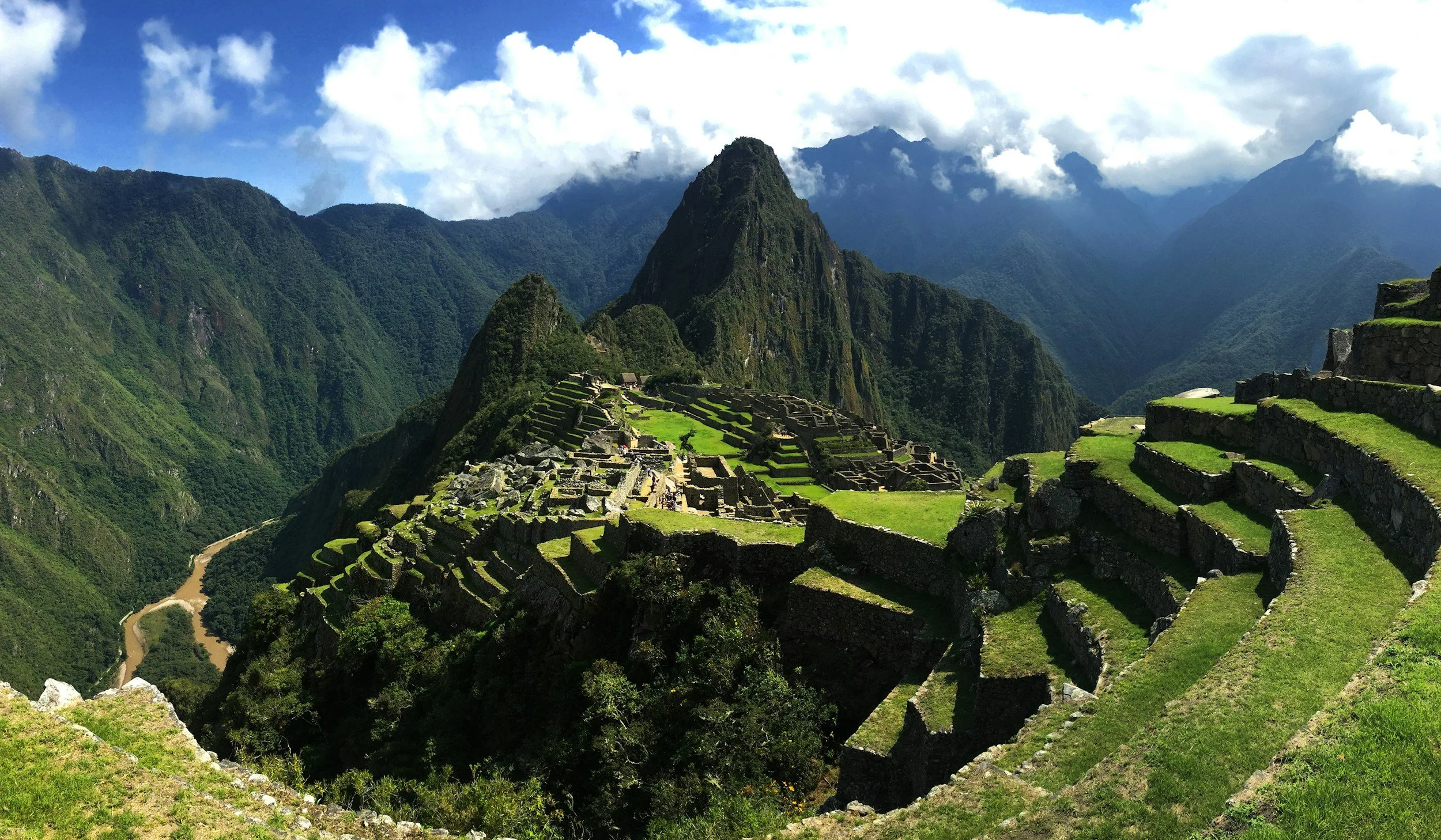
Regional Overview
The Area
The Andean region stretches along the western spine of South America, covering parts of Peru, Bolivia, Ecuador, Colombia, Chile, and Argentina. These highland areas are tied together by their shared history and geography, shaped by the rise and fall of ancient civilizations and centuries of cultural blending. The Andes serve as both a physical barrier and a cultural bridge, connecting diverse peoples and traditions across thousands of miles.
The Landscape
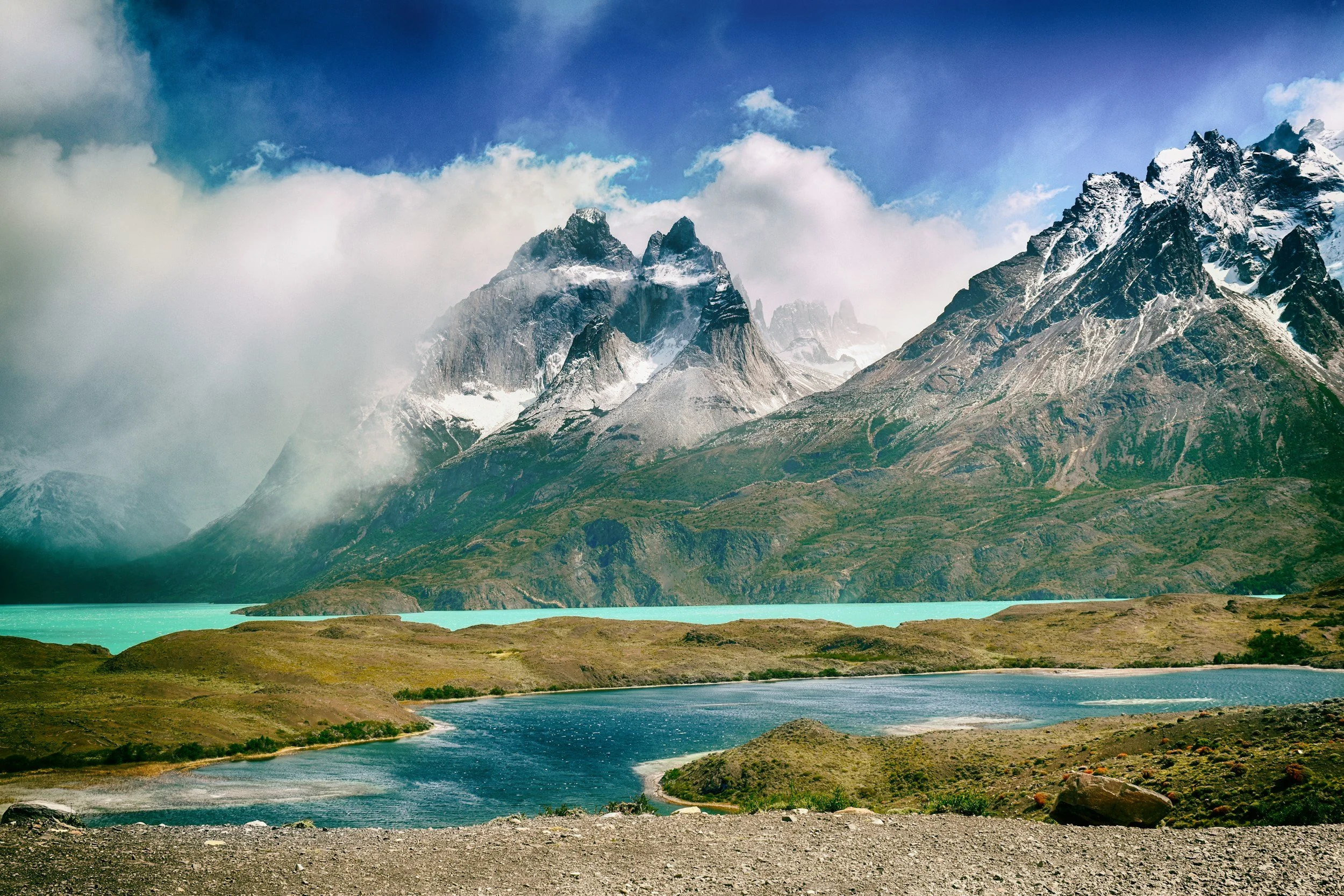
This region is defined by the dramatic Andes Mountains, the longest continental mountain range in the world. Steep valleys, snow-capped peaks, and high plateaus dominate the scenery, alongside deep gorges carved by rivers. Terraced hillsides, arid altiplano plains, and pockets of lush cloud forest reflect the incredible diversity of the terrain.
The Climate
The climate varies sharply with altitude: tropical heat at lower elevations, temperate conditions in the mid-valleys, and cold, harsh weather in the highlands. Seasons are marked less by temperature changes and more by the cycle of wet and dry periods. These patterns directly influence planting and harvest times, shaping daily life and seasonal traditions.
Traditional Flavors
Flavor Profile
Earthy, hearty, smoky, tangy, herbaceous, nutty
Culinary Essence
Andean cuisine emphasizes nourishment and resilience, built around grains, legumes, and root vegetables adapted to high altitudes. Flavors are layered with herbs, mild spices, and tangy elements like citrus or fermented condiments. Meals are often rustic yet deeply satisfying, reflecting a balance between practicality and tradition.
Seasonal Notes
During the rainy season, fresh harvests of tubers and vegetables bring brightness to meals, while the dry season leans on stored staples like grains and legumes. Foods are preserved through drying, fermenting, or salting, ensuring sustenance year-round. This seasonal rhythm creates a natural cycle of abundance and preservation.
Kitchen Inspiration
Here’s how ingredients, cooking styles, and classic dishes connect in this cuisine.
Flavor Combo Ideas
Quinoa + potato + chili pepper
Corn + beans + squash
Fava beans + herbs + lime
Amaranth + tomatoes + onions
Cooking Methods
Boiling/Simmering – hearty soups and stews enriched with grains and tubers.
Steaming – traditional earth-oven style or modern steaming for vegetables and tamales.
Roasting – roots and corn roasted for depth and smokiness.
Dish References
Quinoa and vegetable soup
Potato and fava bean stew
Corn and squash tamales
Quinoa-stuffed peppers
Amaranth porridge with fruit
Signature Ingredients
Here are the plant-based ingredients that define this sub-region. Click to explore each category below.
-
Beans & Lentils
Lentils
Fava beans
Lupini beans (traditional Andean legume)
White beans (regional use)
Soy Products
Tofu (modern addition; works well in stews or grain bowls)
Tempeh (modern adaptation for hearty casseroles or spiced fillings)
-
Whole Grains
Quinoa
Amaranth
Barley
Maize (corn)
Grain Products
Cornmeal (used for porridges, breads, and tamale-style preparations)
-
Starchy Vegetables
Potatoes (many varieties are native to the Andes)
Sweet potatoes
Corn
Non-Starchy Vegetables
Tomatoes
Onions
Peppers (ají varieties, mild to hot)
Carrots
Leafy Greens
Spinach
Swiss chard
-
Whole Foods
Peanuts
Walnuts
Chia seeds
Avocado
Plant Oils
Peanut oil
-
Herbs
Cilantro
Parsley
Mint
Spices
Chili peppers (ají varieties)
Cumin
Black pepper
Annatto (regional use for color and mild flavor)
-
Condiments & Flavorings
Ají chili pastes (ají amarillo, ají rojo styles)
Peanut-based sauces
Acids & Brighteners
Lime
Vinegar
Pickled vegetables
-
Oranges
Bananas
Papaya
Pineapple
Berries (strawberries, blackberries)
Guava