
New to the Global Flavor Atlas?
Check out From Map to Meal to learn how to turn these ingredient guides into delicious, globally inspired dishes!
Latin America & Caribbean
Central American

Regional Overview
The Area
This sub-region includes Guatemala, Belize, Honduras, El Salvador, Nicaragua, Costa Rica, and Panama. Together, they form a cultural bridge between Mexico and South America, with shared Mayan, Indigenous, African, and Spanish influences. The geography and history of the region have shaped a distinct identity, rich with diversity and tradition.
The Landscape
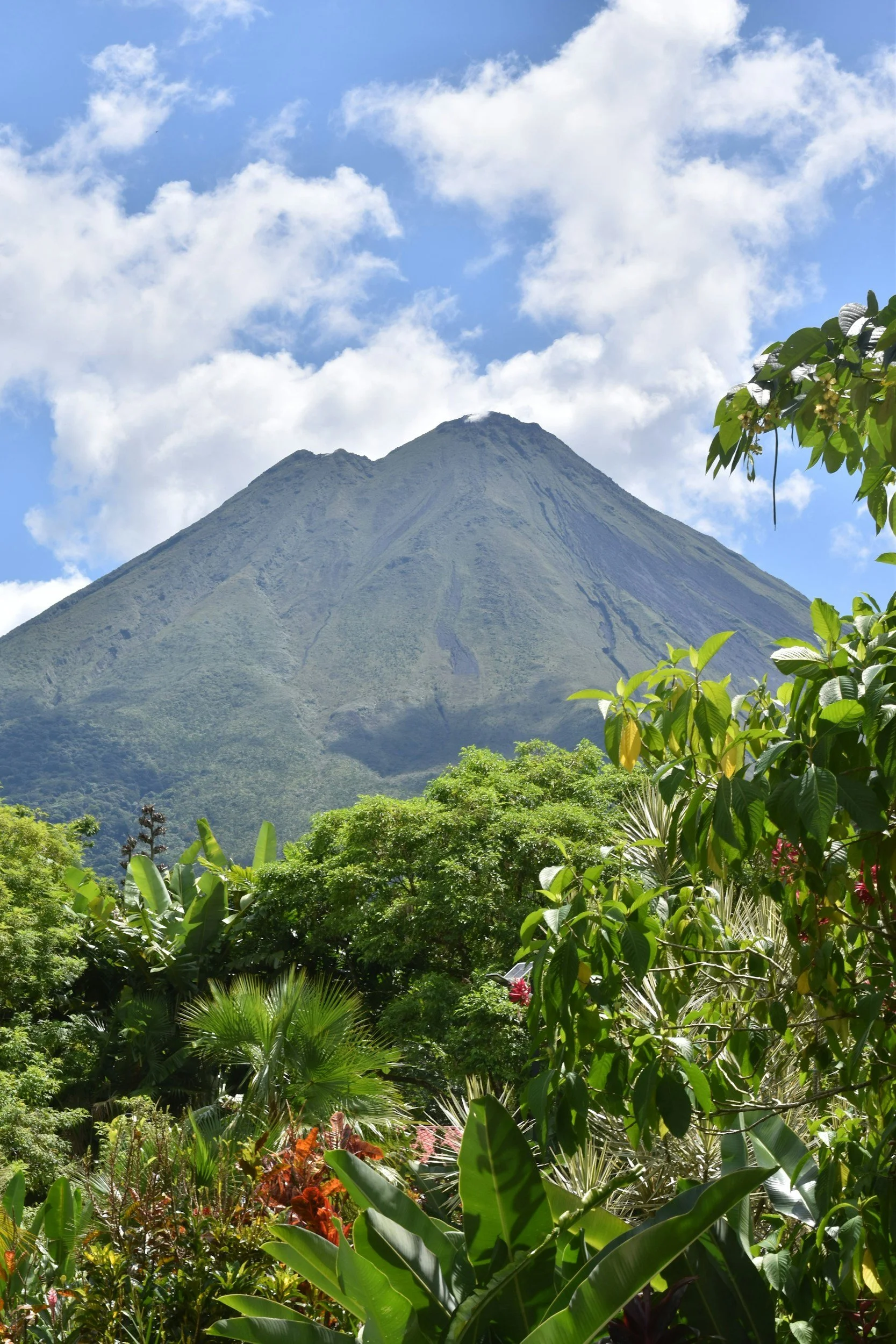
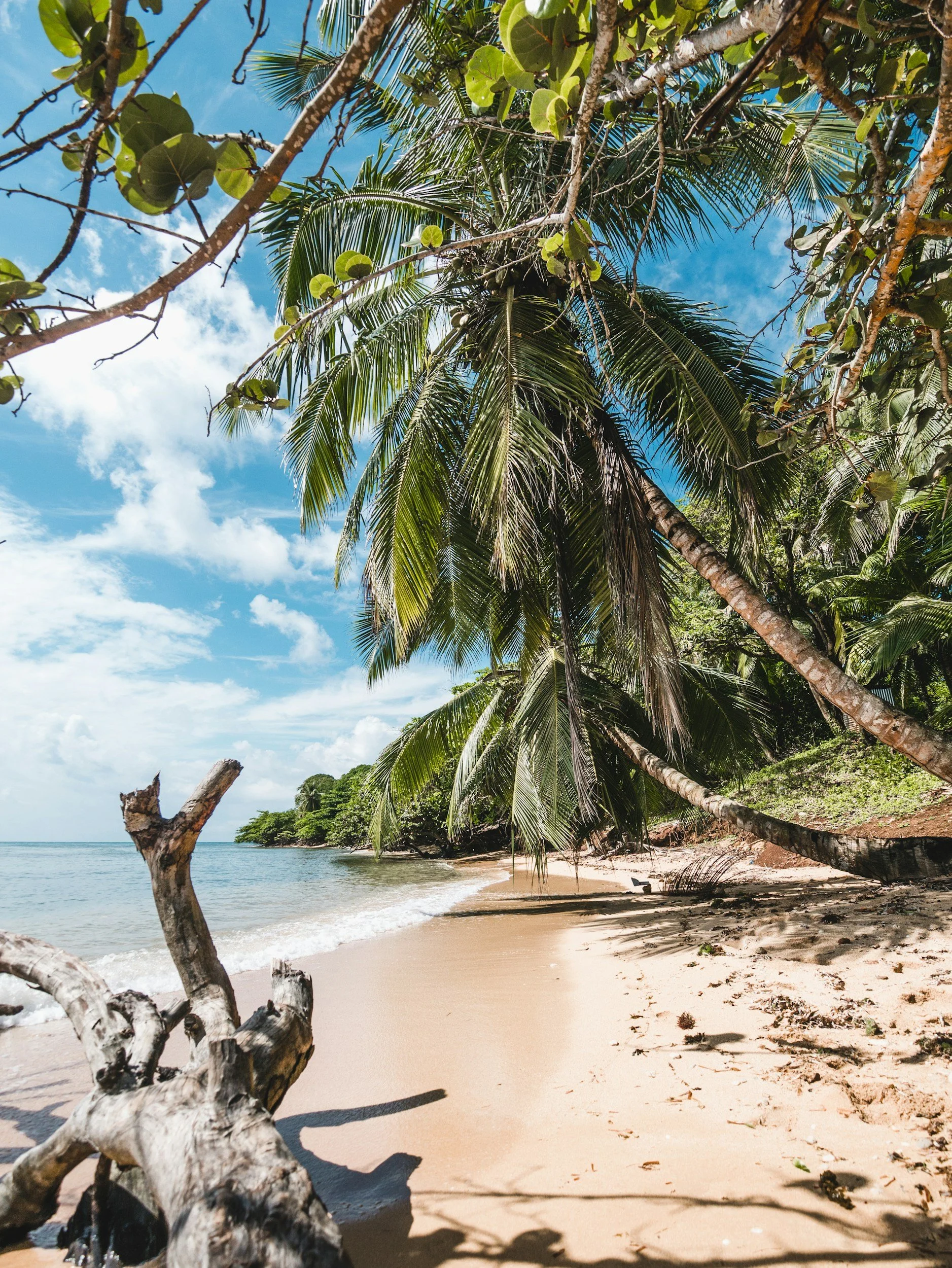
Central America is defined by volcanic highlands, dense tropical rainforests, fertile valleys, and long coastlines along both the Pacific Ocean and Caribbean Sea. The land ranges from rugged mountains to palm-lined beaches, with abundant rivers and freshwater lakes running through the interior. This mix of terrain creates rich agricultural zones and varied local ecosystems.
The Climate
The region experiences a tropical climate, with a clear division between wet and dry seasons. Lowland areas are hot and humid year-round, while the highlands enjoy cooler, temperate weather. Seasonal rainfall dictates crop cycles and harvests, influencing the types of produce and staples that appear at different times of the year.
Traditional Flavors
Flavor Profile
Earthy, vibrant, tangy, smoky, herbaceous, warming
Culinary Essence
Central American food is hearty and rooted in Indigenous staples like maize, beans, and squash, often paired with fresh herbs, chilies, and tropical produce. Meals balance substance and freshness, with tortillas, stews, and rice-and-bean dishes forming daily foundations. Spanish influence layered in herbs, spices, and cooking styles, while coastal areas highlight tropical flavors.
Seasonal Notes
Diets shift with the rainy and dry seasons, as fresh produce like mangoes, papayas, and avocados become abundant at certain times of the year. Root vegetables and grains provide steady staples, while fresh herbs, salsas, and pickled elements brighten heavier foods. Seasonal celebrations often highlight tamales, tropical fruits, and festive communal meals.
Kitchen Inspiration
Here’s how ingredients, cooking styles, and classic dishes connect in this cuisine.
Flavor Combo Ideas
Black beans + rice + cilantro
Corn + squash + chili
Plantains + beans + tomato salsa
Avocado + lime + tortilla
Cooking Methods
Griddling – corn dough shaped into tortillas or pupusas, cooked on a flat comal.
Simmering – slow-cooked beans, stews, and soups.
Roasting – roots and squashes roasted for depth of flavor.
Steaming – tamales and other corn-based doughs wrapped in banana leaves.
Dish References
Thick corn flatbreads with bean or vegetable filling (pupusas)
Rice and beans (gallo pinto)
Steamed masa pockets with vegetable fillings (tamales)
Vegetable soup with fresh herbs (sopa de verduras)
Twice-cooked plantains (tostones)
Signature Ingredients
Here are the plant-based ingredients that define this sub-region. Click to explore each category below.
-
Beans & Lentils
Black beans
Red beans
Lentils
Red kidney beans
Soy Products
Tofu (modern adaptation; marinated with citrus and spices for fillings or grilled dishes)
Tempeh (hearty replacement for shredded meats in stews or rice-and-bean plates)
-
Whole Grains
Rice
Corn
Amaranth
Grain Products
Corn tortillas
Masa harina (used for tortillas, pupusas, tamales)
-
Starchy Vegetables
Plantains
Potatoes
Cassava
Sweet potatoes
Pumpkin
Non-Starchy Vegetables
Tomatoes
Bell peppers
Onions
Carrots
Tomatillos
Leafy Greens
Spinach
Romaine lettuce
-
Whole Foods
Avocado
Pumpkin seeds
Peanuts
Plant Oils
Peanut oil
Plant-oil butter (stand-in for lard in masa-based preparations)
-
Herbs
Cilantro
Culantro
Mint
Oregano
Spices
Black pepper
Cumin
Allspice
Chili peppers (fresh and dried)
Cinnamon
Clove
-
Condiments & Flavorings
Ají chili pastes (ají amarillo, ají rojo styles)
Peanut-based sauces
Acids & Brighteners
Lime
Vinegar
Pickled vegetables
-
Bananas
Mangoes
Papayas
Pineapples
Guava
Passionfruit