
New to the Global Flavor Atlas?
Check out From Map to Meal to learn how to turn these ingredient guides into delicious, globally inspired dishes!
Northern & Eastern Europe
Eastern European
Regional Overview
The Area
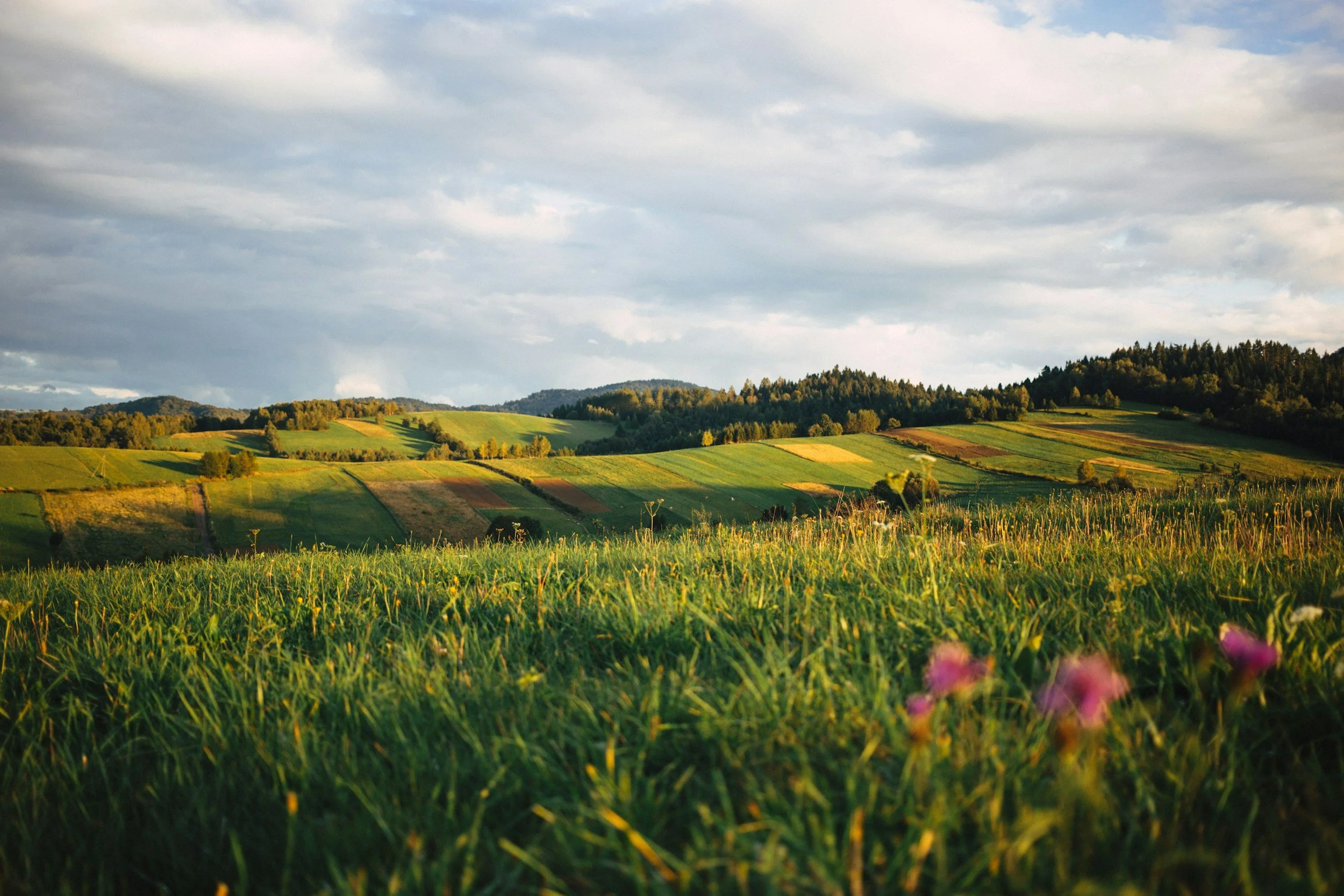
Eastern Europe in this context includes countries such as Poland, Ukraine, Belarus, Hungary, the Czech Republic, Slovakia, and the Baltic states of Lithuania, Latvia, and Estonia. Historically a crossroads of empires, this region blends Slavic, Baltic, and Central European influences while maintaining distinct cultural identities.
The Landscape
The terrain is a mix of wide plains, rolling hills, and mountain ranges such as the Carpathians and Tatras. Vast forests, fertile farmlands, and river systems like the Vistula, Dniester, and Dnieper dominate the land, while the Baltic Sea shapes the northern coastlines. Lakes, wetlands, and woodlands are abundant, giving the region a strong connection to its natural surroundings.
The Climate
Eastern Europe experiences a largely continental climate, with cold, snowy winters and warm summers. Spring and autumn are transitional, bringing bursts of greenery or vibrant foliage. Seasonal extremes are pronounced, and long winters have historically shaped patterns of life, settlement, and cultural traditions across the region.

Traditional Flavors
Flavor Profile
Hearty, earthy, tangy, smoky, sour, comforting
Culinary Essence
Eastern European cuisine is rooted in resilience, making the most of cold winters and short growing seasons. Meals are hearty and filling, built on grains, potatoes, cabbage, and preserved vegetables, with herbs and fermented foods adding brightness. Pickling, smoking, and braising are common, producing deeply comforting, rustic dishes with a balance of sour and savory notes.
Seasonal Notes
Winter tables feature potatoes, root vegetables, sauerkraut, and hearty breads. Spring introduces fresh herbs, greens, and lighter soups. Summer brings cucumbers, tomatoes, berries, and dill in abundance, while autumn celebrates mushrooms, apples, and preserved harvests. Seasonal cycles are strong, with preservation traditions carrying summer’s bounty into the colder months.
Kitchen Inspiration
Here’s how ingredients, cooking styles, and classic dishes connect in this cuisine.
Flavor Combo Ideas
Potatoes + dill + sauerkraut
Rye bread + onions + caraway
Buckwheat + mushrooms + parsley
Lentils + garlic + paprika
Cooking Methods
Boiling and stewing – hearty soups and one-pot meals.
Pickling and fermenting – cabbage, cucumbers, and beets preserved for winter.
Braising – slow cooking to bring out earthy, deep flavors.
Dish References
Beet and cabbage soup (Borscht)
Bigos-style vegetable stew with sauerkraut and mushrooms
Kasha (buckwheat porridge)
Stuffed cabbage rolls with rice and lentils
Rye bread with pickled vegetables
Signature Ingredients
Here are the plant-based ingredients that define this sub-region. Click to explore each category below.
-
Beans & Lentils
White beans (navy, cannellini)
Lentils (red, brown)
Kidney beans
Soy Products
Tofu (as a stand-in for soft cheeses in dumplings or casseroles)
Tempeh (substitute for smoked or braised meats in bean or cabbage stews)
-
Whole Grains
Rye
Barley
Buckwheat
Oats
Millet
Wheat berries
Grain Products
Rye breads
Whole wheat breads
Wheat noodles
Wheat dumplings
-
Starchy Vegetables
Potatoes
Parsnips
Turnips
Non-Starchy Vegetables
Cabbage
Leeks
Radishes
Onions
Carrots
Cucumbers
Tomatoes
Garlic
Bell peppers
Beets
Leafy Greens
Spinach
Beet greens
Sorrel
-
Whole Foods
Hemp seeds
Walnuts
Sunflower seeds
Poppy seeds
Plant Oils
Sunflower oil
Plant-oil butter (used as a stand-in for traditional dairy butter)
-
Herbs
Dill
Parsley
Chives
Bay leaf
Spices
Paprika (sweet, hot, and smoked types)
Caraway seed
Black pepper
Mustard seed
Nutmeg
Cloves
Cinnamon
Allspice
-
Condiments & Flavorings
Horseradish
Mustard
Tomato paste
Pickled cucumbers
Sauerkraut
Acids & Brighteners
Vinegars (white, apple cider)
Lemon
-
Apples
Pears
Plums
Cherries
Currants (red, black)
Raspberries
Strawberries