
New to the Global Flavor Atlas?
Check out From Map to Meal to learn how to turn these ingredient guides into delicious, globally inspired dishes!
Middle East & Northern Africa
Egyptian

Regional Overview
The Area
Egypt lies in North Africa, bordered by Libya to the west, Sudan to the south, and Israel and the Gaza Strip to the northeast. Its northern boundary meets the Mediterranean Sea, while the Red Sea lines its eastern edge. Anchored by the Nile River, Egypt has long been a cultural hub linking Africa, the Middle East, and the Mediterranean.
The Landscape
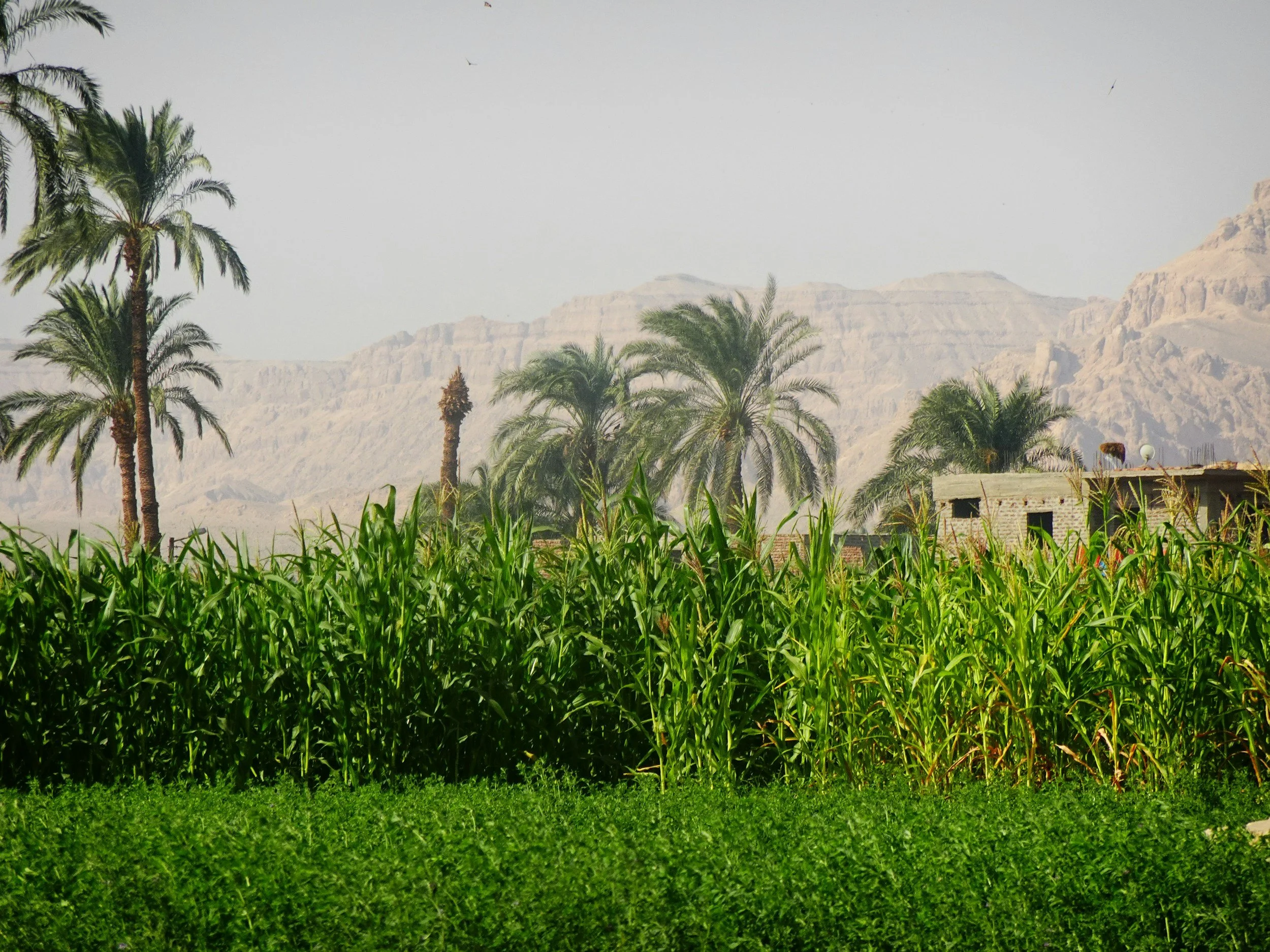
The land is shaped by the contrast between fertile valleys and vast desert expanses. The Nile River and its delta provide lush, green farmland, while beyond its banks stretch the arid Sahara and Eastern Desert. The Sinai Peninsula adds rugged mountains and desert plateaus, while the Mediterranean and Red Sea coasts offer long sandy shores and coral-filled waters.
The Climate
Egypt has an arid desert climate, with hot, dry summers and mild winters. Along the Mediterranean coast, winters bring some rain, while the rest of the country remains mostly dry year-round. Life follows the rhythms of the Nile, with seasonal flooding shaping agriculture and the timing of planting and harvest cycles.

Traditional Flavors
Flavor Profile
Earthy, tangy, herbal, nutty, hearty, aromatic
Culinary Essence
Egyptian cuisine is hearty, rustic, and rooted in everyday staples like legumes, grains, and vegetables. Meals often center on lentils, fava beans, and bread, enriched with herbs, garlic, lemon, and spices like cumin and coriander. Flavors balance earthy depth with bright, tangy accents, and meals are designed to be both sustaining and communal.
Seasonal Notes
Winter emphasizes lentils, fava beans, root vegetables, and hearty stews. Spring brings tender greens, peas, and fresh herbs. Summer is dominated by cucumbers, tomatoes, okra, and melons, offering refreshing relief from the heat. Autumn marks the grape, date, and fig harvests, bringing sweet and tangy flavors to balance savory fare.
Kitchen Inspiration
Here’s how ingredients, cooking styles, and classic dishes connect in this cuisine.
Flavor Combo Ideas
Lentils + cumin + onion
Fava beans + lemon + parsley
Tomato + garlic + coriander
Chickpeas + tahini + lemon
Cooking Methods
Stewing – legumes and vegetables simmered with spices
Braising – vegetables with tomato, garlic, and herbs
Baking – flatbreads and casseroles
Grilling – eggplant and okra cooked for smoky depth
Dish References
Stewed fava beans with lemon and herbs (ful medames)
Lentils, rice, and pasta layered with tomato sauce and onions (koshari)
Lentil soup (shorbat ads)
Greens stewed with garlic and coriander (molokhia)
Baladi bread with tahini and vegetables
Signature Ingredients
Here are the plant-based ingredients that define this sub-region. Click to explore each category below.
-
Beans & Lentils
Fava beans (ful, central to Egyptian cuisine)
Lentils (red, brown)
Garbanzo beans
White beans
Soy Products
Tofu (stand-in for eggs in dishes like shakshouka or as protein in vegetable stews)
Tempeh (substitute for meat in braised or grilled preparations)
-
Whole Grains
Rice (short and medium-grain)
Barley
Wheat berries
Freekeh
Grain Products
Baladi bread (whole wheat flatbread)
Pita
Couscous
-
Starchy Vegetables
Potatoes
Sweet potatoes
Non-Starchy Vegetables
Tomatoes
Onions
Garlic
Cucumbers
Eggplant
Zucchini
Carrots
Okra
Green beans
Leeks
Leafy Greens
Spinach
Chard
-
Whole Foods
Olives
Sesame seeds
Hazelnuts
Almonds
Pistachios
Peanuts
Plant Oils
Olive oil
Sunflower oil
Plant-oil butter (stand-in for traditional dairy butter or ghee)
-
Herbs
Parsley
Cilantro
Dill
Mint
Fenugreek leaves (fresh or dried)
Spices
Black pepper
Cumin
Coriander seed
Fenugreek seed
Dukkah (blend of nuts, sesame, coriander, cumin)
Cinnamon
Nutmeg
Clove
Cardamom
Anise
-
Condiments & Flavorings
Tahini
Tomato paste
Roasted red peppers
Dukkah used as a topping or crust
Pickled vegetables (turnips, cucumbers, carrots)
Acids & Brighteners
Lemon
Vinegars (wine, apple)
-
Grapes
Pomegranates
Citrus (oranges, lemons)
Dates (fresh and dried)
Figs
Melons (watermelon, cantaloupe, honeydew)
Stone fruits (apricots, peaches, plums)
Bananas
Raisins (very common in rice dishes and stuffings)