
New to the Global Flavor Atlas?
Check out From Map to Meal to learn how to turn these ingredient guides into delicious, globally inspired dishes!
Southern & Western Eastern Europe
French

Regional Overview
The Area
France is located in Western Europe, bordered by Belgium, Luxembourg, Germany, Switzerland, Italy, Spain, and the microstates of Monaco and Andorra. It also fronts both the Atlantic Ocean and the Mediterranean Sea, giving it a uniquely varied geography and cultural heritage. Its regions, from Normandy to Provence, Alsace to Aquitaine, each have their own distinct traditions and history.
The Landscape
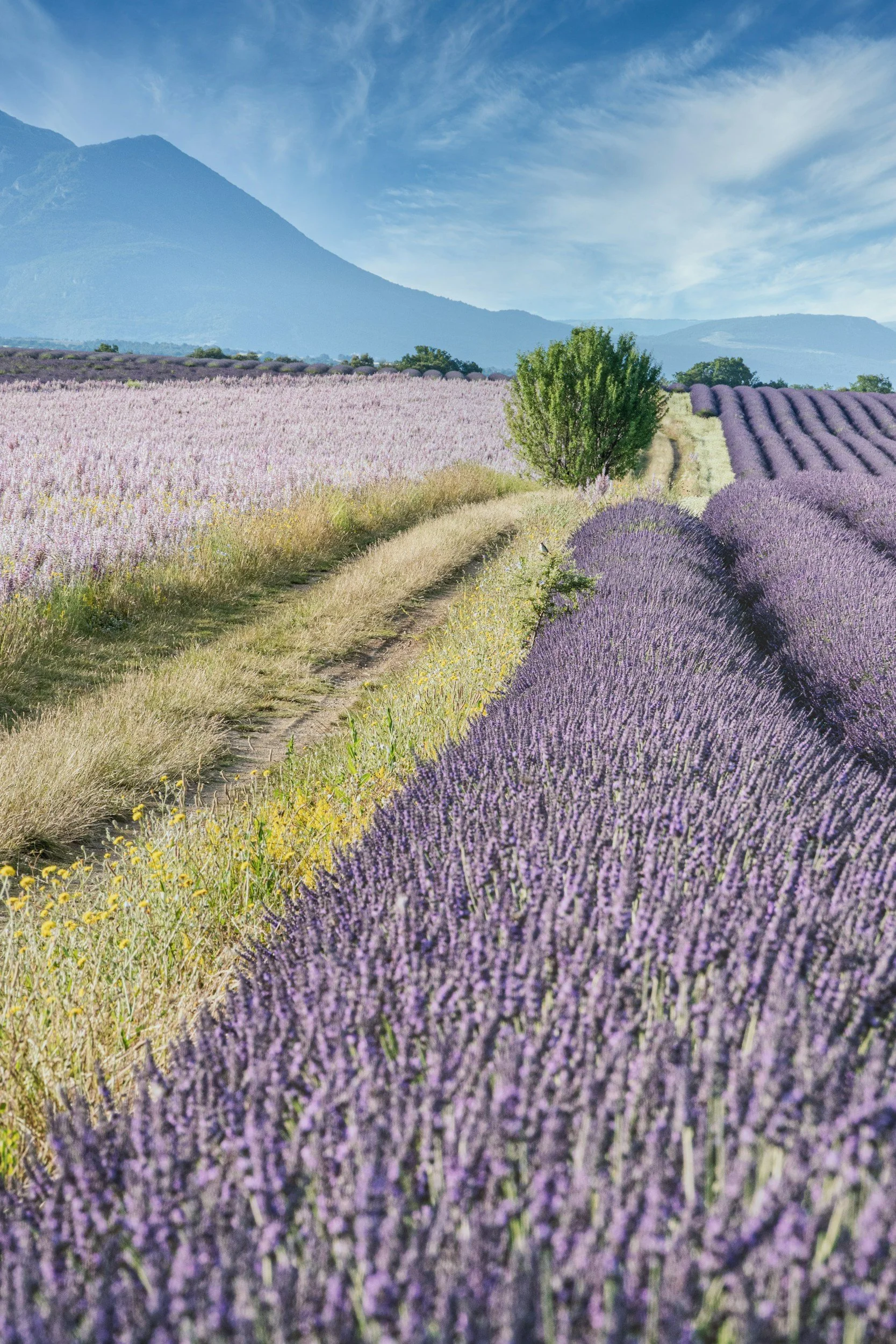
France’s landscapes are famously diverse. The north and west feature broad plains, rolling farmland, and long coastlines along the Atlantic. The south is marked by Mediterranean shores, lavender fields, and limestone hills, while the east rises into the Vosges, Jura, and the Alps. The Pyrenees form a dramatic natural border with Spain, while the Loire, Rhône, and Seine rivers carve fertile valleys and historic towns.
The Climate
France experiences multiple climate zones: oceanic in the northwest, continental in the northeast, and Mediterranean in the south. Winters are generally coldest in the inland and alpine areas, while summers are warmest along the southern coast. Seasonal cycles are well defined, from brisk, wet springs to long sunny summers, golden autumns, and snowy mountain winters, each influencing patterns of work, leisure, and tradition.
Traditional Flavors
Flavor Profile
Herbal, earthy, tangy, rustic, bright, refined
Culinary Essence
French cuisine values balance, freshness, and a celebration of regional identity. Meals often bring together vegetables, legumes, and grains enhanced with olive oil or (plant) butter, herbs, and wine-based broths. Layers of flavor are built through careful cooking methods such as braising and roasting, while bread and seasonal produce anchor daily meals. The overall character is both rustic and refined, simple yet elegant.
Seasonal Notes
Spring introduces tender greens, peas, and fresh herbs, while summer highlights soft fruits and berries. Autumn and winter lean on sturdy vegetables such as potatoes, turnips, and cabbages, paired with stored grains that provide sustenance through long damp seasons. What’s served at the table is closely tied to the seasons, which bring a steady sense of continuity to meals.

Kitchen Inspiration
Here’s how ingredients, cooking styles, and classic dishes connect in this cuisine.
Flavor Combo Ideas
Lentils + onion + thyme
Tomato + olive oil + rosemary
Potato + leek + parsley
Mushroom + garlic + bay leaf
Cooking Methods
Braising – vegetables and legumes cooked gently with herbs and wine.
Roasting – bringing depth to roots, mushrooms, and summer vegetables.
Simmering – soups, broths, and bean dishes cooked slowly.
Dish References
Ratatouille (eggplant, zucchini, pepper, tomato stew)
Lentil and vegetable stew (lentilles aux légumes)
Potato-leek soup (potage poireaux-pommes de terre)
Mushroom bourguignon
Rustic country bread with herb-infused spreads
Signature Ingredients
Here are the plant-based ingredients that define this sub-region. Click to explore each category below.
-
Beans & Lentils
Green lentils (Lentilles du Puy)
White beans
Chickpeas
Soy Products
Tofu (a stand-in for eggs in quiche-style dishes or soft cheeses in salads)
Tempeh (swap for braised meats in bourguignon-style or rustic stews)
-
Whole Grains
Wheat berries
Barley
Oats
Rice (Camargue red rice, southern France)
Grain Products
Baguettes
Boule and rustic country loaves
-
Starchy Vegetables
Potatoes
Parsnips
Turnips
Non-Starchy Vegetables
Onions
Leeks
Garlic
Tomatoes
Carrots
Zucchini
Bell peppers
Eggplant
Mushrooms
Celeriac
Fennel
Leafy Greens
Spinach
Chard
Lettuce
Sorrel
-
Whole Foods
Walnuts
Hazelnuts
Almonds
Olives
Plant Oils
Olive oil
Sunflower oil
Plant-oil butter (used as a stand-in for traditional dairy butter)
-
Herbs
Thyme
Rosemary
Parsley
Tarragon
Marjoram
Chives
Spices
Black pepper
Bay leaf
Juniper berry
Nutmeg
Cinnamon
Clove
Anise
-
Condiments & Flavorings
Dijon mustard
Olive tapenade
Tomato paste
Capers
Cornichons
Herbes de Provence (thyme, rosemary, savory, oregano, marjoram)
Acids & Brighteners
Vinegars (red wine, white wine)
Lemon
-
Apples
Pears
Berries (strawberries, raspberries, blackberries, blueberries)
Stone fruit (cherries, plums, peaches, apricots, nectarines)
Grapes
Melons (cantaloupe, honeydew)
Figs
Currants (red, black)
Where to Next?
← Last Destination | Next Destination →