
New to the Global Flavor Atlas?
Check out From Map to Meal to learn how to turn these ingredient guides into delicious, globally inspired dishes!
Northern & Eastern Europe
German
Regional Overview
The Area
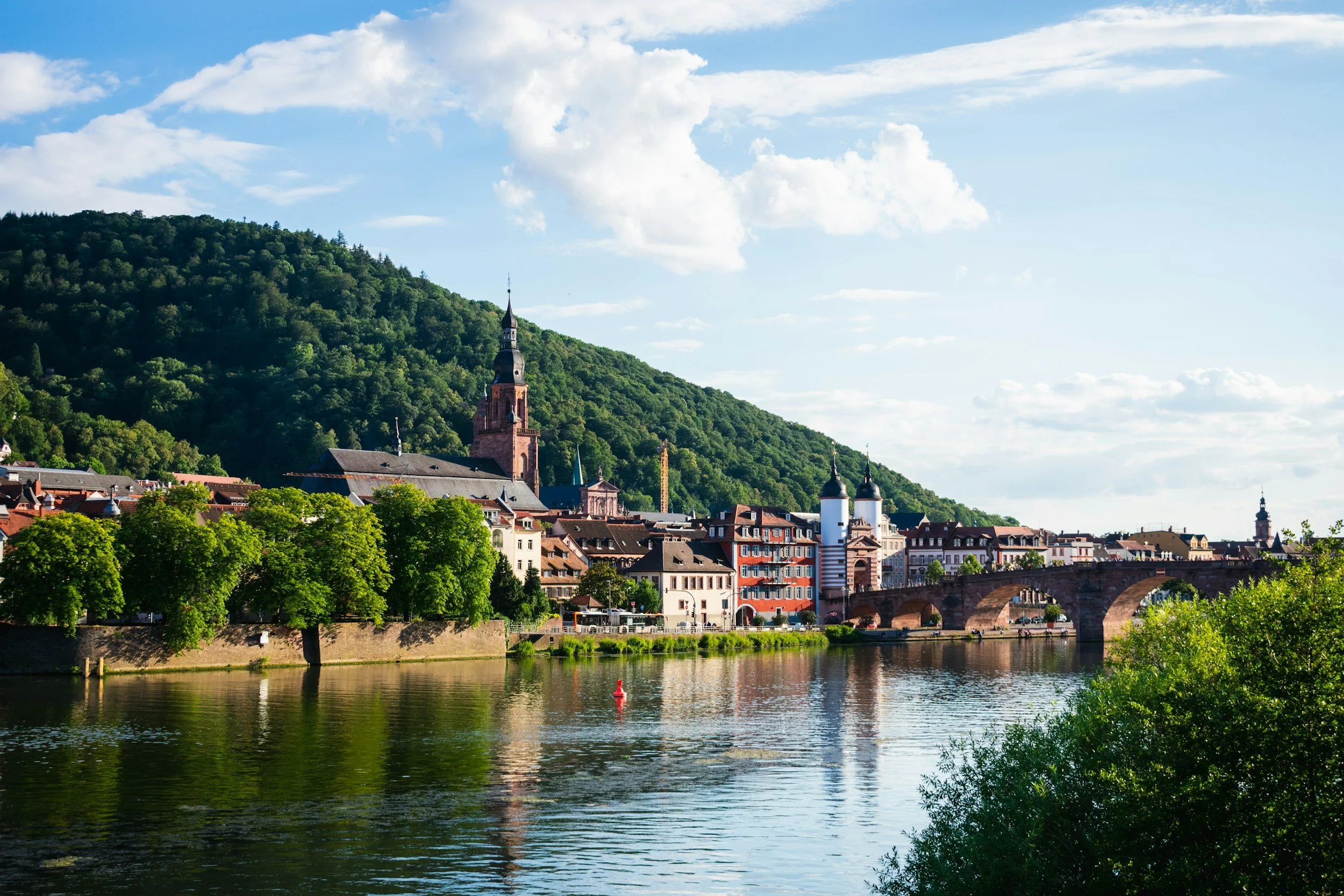
Germany is located in Central Europe, bordered by nine countries including France, Austria, Switzerland, Poland, and the Netherlands. Its central position has made it a cultural and political bridge between Western and Eastern Europe for centuries. The nation is made up of sixteen federal states, each with distinct history and traditions.
The Landscape
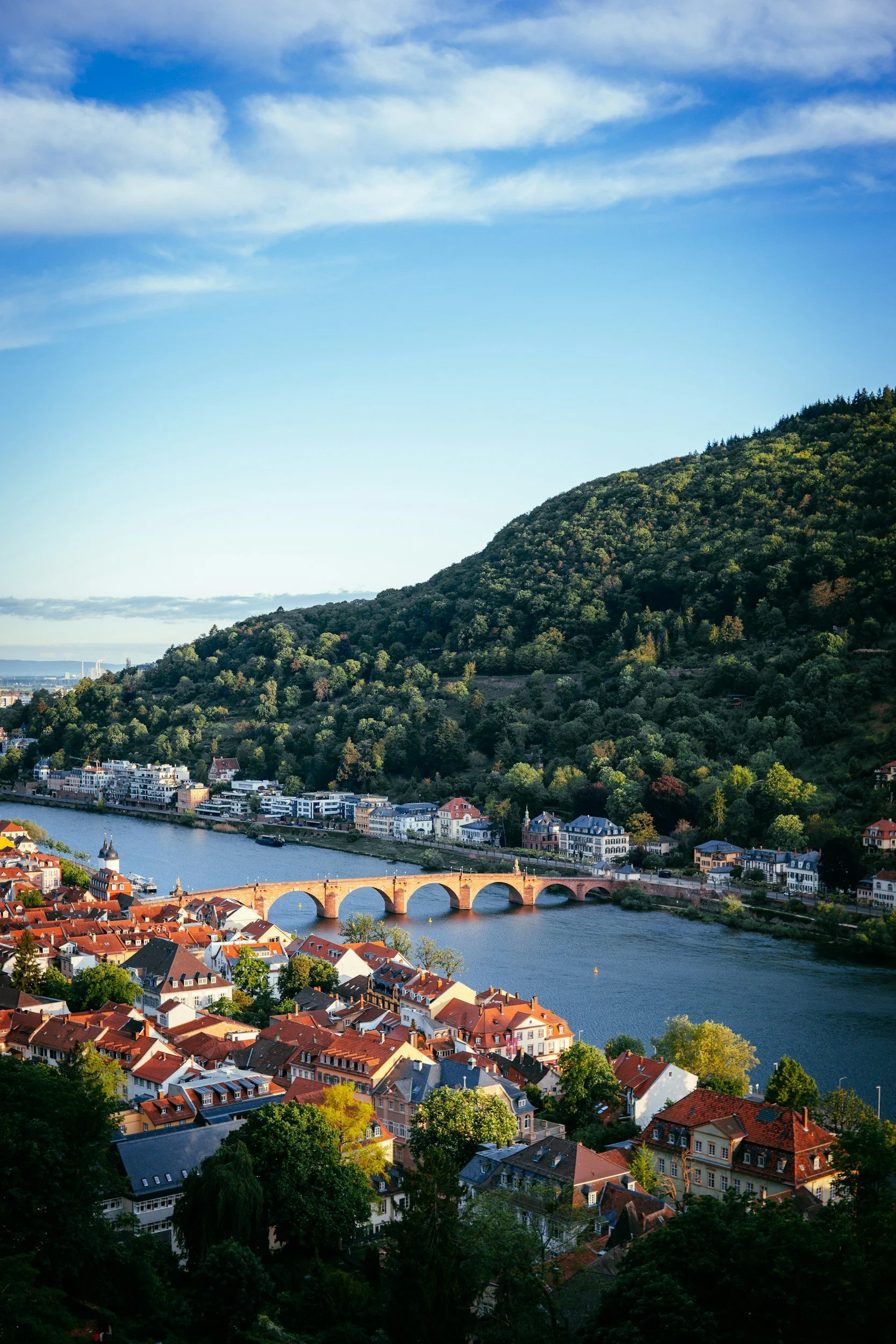
The country stretches from the low-lying North Sea and Baltic Sea coasts to the forested uplands and river valleys of central Germany, and further south to the dramatic peaks of the Bavarian Alps. The Rhine, Danube, and Elbe rivers shape major regions and connect the land to the rest of Europe. Rolling hills, fertile plains, and dense woodlands create a varied natural scenery dotted with castles, villages, and historic cities.
The Climate
Germany has a temperate seasonal climate, with cold winters, mild to warm summers, and rainfall fairly evenly spread throughout the year. Snow is common in the higher elevations, especially in the Alps and central highlands. Seasonal shifts are distinct, bringing crisp springs, long summer days, colorful autumns, and winters that shape daily patterns of life from the countryside to the cities.
Traditional Flavors
Flavor Profile
Hearty, tangy, earthy, rustic, sour, herbal
Culinary Essence
German cuisine emphasizes comfort, heartiness, and regional pride. Meals often center on breads and whole grains, starchy vegetables like potatoes, and preserved vegetables such as sauerkraut and pickles. Mustard, caraway, and dill bring depth, while apples and plums add brightness. The cooking style is straightforward, rooted in local ingredients and seasonal changes.
Seasonal Notes
In winter, meals feature potatoes, cabbages, lentils, and dense breads. Spring brings tender greens and fresh herbs, while summer celebrates cucumbers, berries, and lighter grain salads. Autumn is marked by apples, plums, and mushrooms, with a return to warm, slow-cooked comfort as the weather cools.
Kitchen Inspiration
Here’s how ingredients, cooking styles, and classic dishes connect in this cuisine.
Flavor Combo Ideas
Potato + caraway + mustard
Sauerkraut + apple + juniper
Rye bread + cucumber + dill
Lentils + onion + vinegar
Cooking Methods
Boiling and stewing – for hearty, slow-simmered one-pot meals.
Fermenting and pickling – preserving vegetables with tangy depth.
Braising – slow cooking to build warmth and richness.
Dish References
Vegetable lentil soup
Braised red cabbage (Rotkohl)
Potato salad, German-style (Kartoffelsalat)
Vegetable skillet bake (Gemüsepfanne)
Signature Ingredients
Here are the plant-based ingredients that define this sub-region. Click to explore each category below.
-
Beans & Lentils
Lentils (brown, green)
White beans
Fava beans
Soy Products
Tofu (a stand-in for eggs in potato dishes or hearty casseroles)
Tempeh (works well as a substitute for sausages or pork in stews and braises)
-
Whole Grains
Rye berries
Barley
Oats
Wheat berries
Grain Products
Rye bread
Whole wheat bread
Spelt bread (very traditional)
-
Starchy Vegetables
Potatoes
Parsnips
Turnips
Non-Starchy Vegetables
Carrots
Cabbage (white, red, savoy)
Onions
Leeks
Celeriac
Beets
Cucumbers
Mushrooms (button, chanterelle, porcini)
Kohlrabi (very common)
Leafy Greens
Kale
Lettuce
Sorrel
-
Whole Foods
Walnuts
Almonds
Hazelnuts
Sunflower seeds (extremely common in German baking and salads)
Plant Oils
Plant-oil butter (used as a stand-in for traditional dairy butter)
-
Herbs
Dill
Parsley
Chives
Thyme
Marjoram
Bay leaf
Spices
Black pepper
Caraway seed
Mustard seed
Juniper berry
Nutmeg
Clove
Cinnamon
Cardamom
Anise
Allspice
-
Condiments & Flavorings
Mustard
Horseradish
Sauerkraut
Pickled cucumbers
Pickled beets
Acids & Brighteners
Vinegars (apple cider, white)
Lemon
-
Apples
Pears
Plums
Cherries
Currants (red, black)
Raspberries
Strawberries