
New to the Global Flavor Atlas?
Check out From Map to Meal to learn how to turn these ingredient guides into delicious, globally inspired dishes!
Latin America & Caribbean
Greater Antillean

Regional Overview
The Area
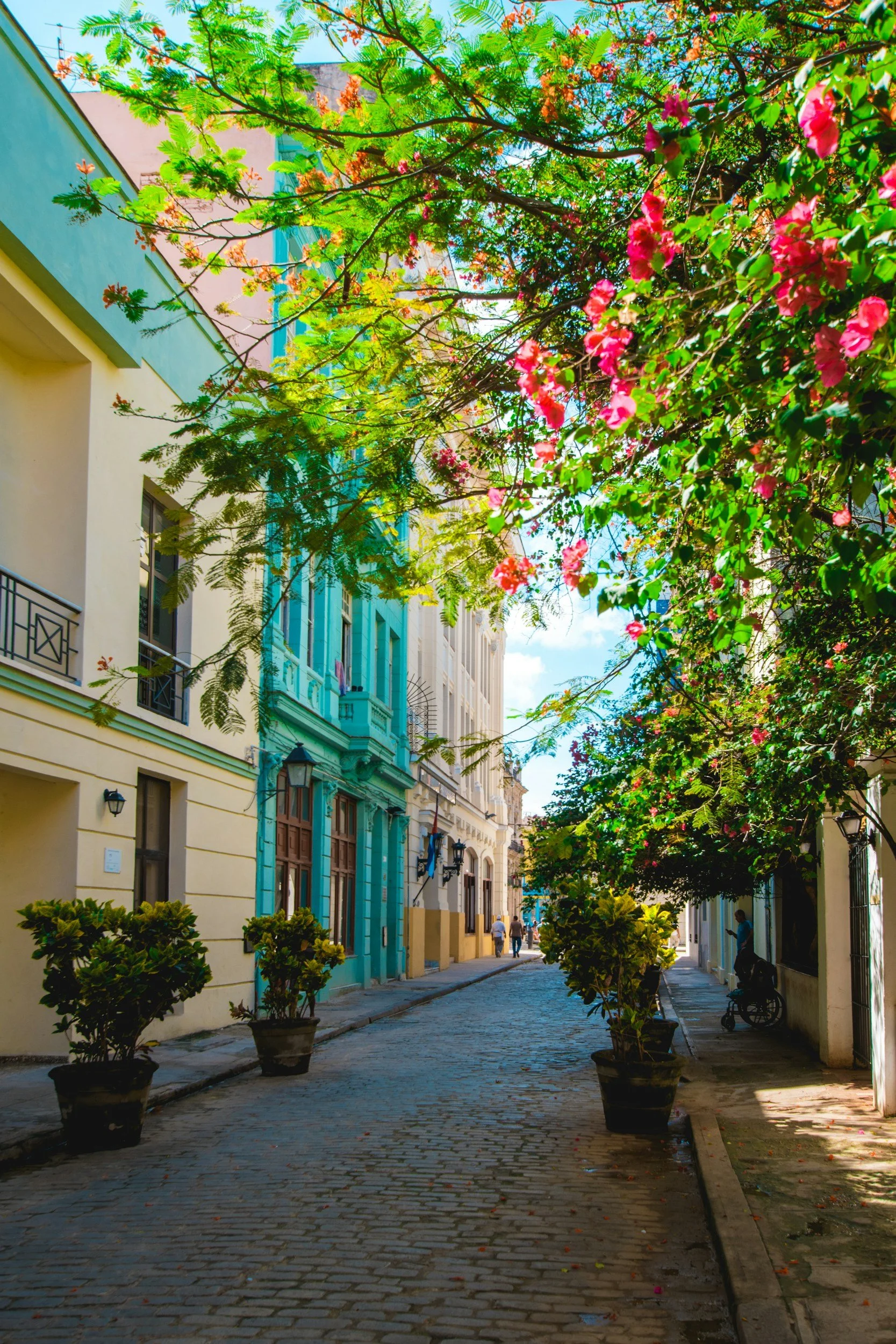
This sub-region includes the four largest islands of the Caribbean: Cuba, Hispaniola (Haiti and the Dominican Republic), Jamaica, and Puerto Rico. These islands share a history shaped by Indigenous Taíno traditions, African heritage, and European colonial influence. Together, they form the cultural and geographic heart of the Caribbean.
The Landscape
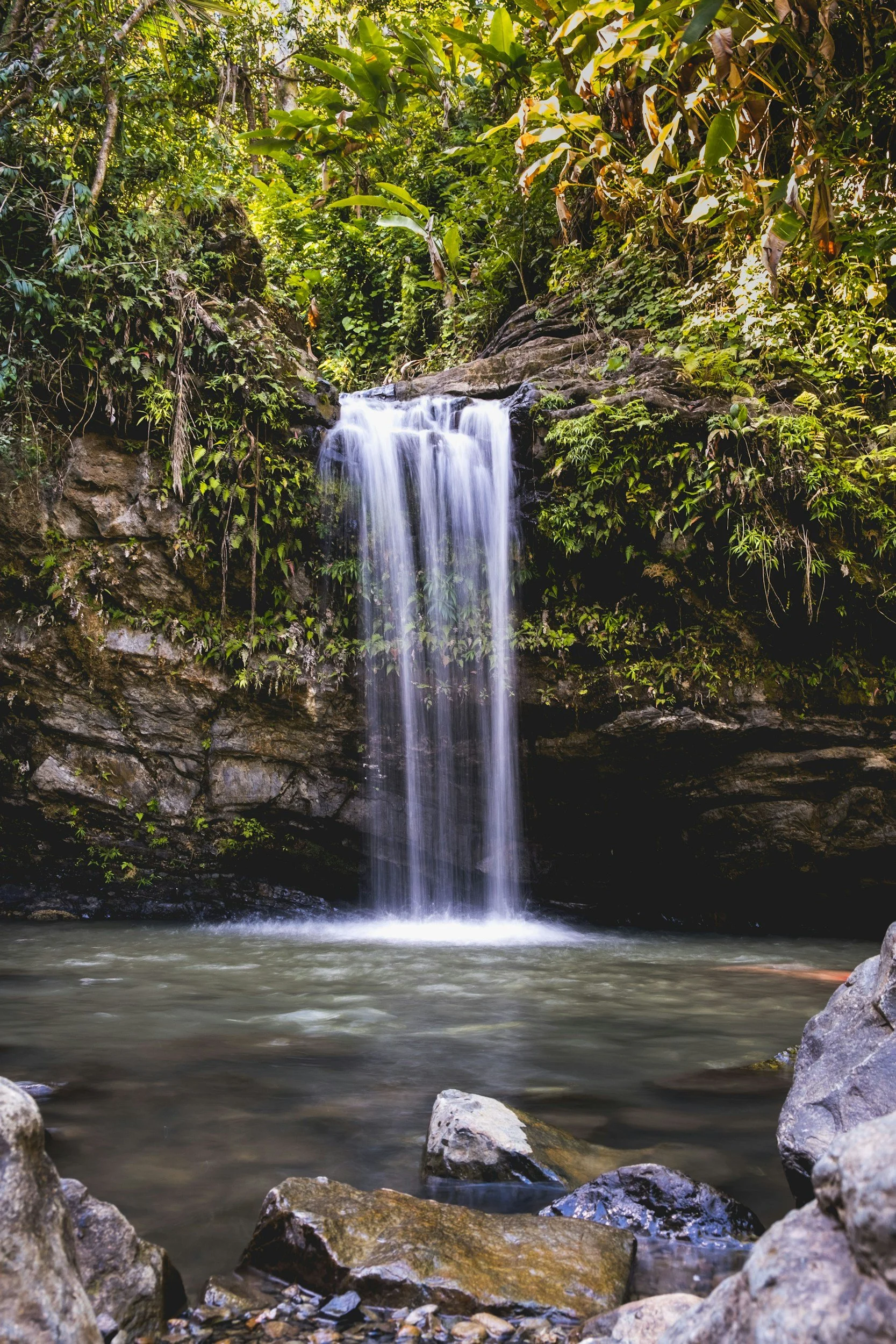
The Greater Antilles are defined by dramatic contrasts: lush rainforests, fertile valleys, limestone plateaus, and rugged mountain ranges. Coral reefs and mangrove swamps line the coasts, while inland, rivers and waterfalls cut through tropical forests. Rolling hills and volcanic terrain make the islands both scenic and agriculturally rich.
The Climate
The region experiences a tropical climate, with warm temperatures year-round, distinct wet and dry seasons, and occasional hurricanes. Coastal areas stay humid, while higher elevations are cooler and more temperate. Seasonal rainfall patterns influence when crops are planted and harvested, and outdoor life thrives under abundant sunshine.
Traditional Flavors
Flavor Profile
Bold, zesty, herbal, tangy, smoky, earthy
Culinary Essence
Meals are vibrant and communal, often centered around beans, rice, root vegetables, and tropical fruits. African, Spanish, and Indigenous influences blend to create dishes full of layered flavors, where marinades, spice pastes, and citrus juices play key roles. Cooking is designed to be hearty yet lively, with an emphasis on freshness, herbs, and seasonings that balance depth and brightness.
Seasonal Notes
Fresh tropical fruits like mangoes, papayas, and pineapples mark the summer months, while root vegetables, plantains, and beans are staples year-round. Seasonal rains support lush crops of herbs and greens, while preserved and pickled items provide flavor during drier stretches. The rhythm of the seasons is reflected in how meals shift from cooling, citrus-forward flavors to warm, grounding preparations.
Kitchen Inspiration
Here’s how ingredients, cooking styles, and classic dishes connect in this cuisine.
Flavor Combo Ideas
Black beans + rice + sofrito
Plantains + garlic + citrus
Cassava + coconut milk + herbs
Bell peppers + onion + tomato
Cooking Methods
Stewing – beans, legumes, and roots slow-simmered with herbs and seasonings.
Grilling – vegetables and plantains infused with smoky, charred flavor.
Braising – root vegetables and greens cooked low and slow in seasoned broths.
Boiling/Simmering – cassava, taro, or plantains softened for use in stews or mashes.
Dish References
Black beans and rice (arroz congrí)
Mashed plantains with onions (mangu)
Leafy greens stew (callaloo)
Vegetable stew built on a sofrito base
Signature Ingredients
Here are the plant-based ingredients that define this sub-region. Click to explore each category below.
-
Beans & Lentils
Black beans
Red beans
Pigeon peas
Kidney beans
Soy Products
Tofu (modern adaptation; marinated with citrus and sofrito-style seasonings)
Tempeh (used in stews or grilled with island herbs as a stand-in for jerk- or adobo-style preparations)
-
Whole Grains
Rice
Corn
Grain Products
Cornmeal flatbreads (Johnny cake–style)
Cornmeal porridges and dumplings
-
Starchy Vegetables
Plantains
Cassava
Sweet potatoes
Pumpkin (calabaza)
Non-Starchy Vegetables
Onions
Tomatoes
Bell peppers
Okra
Leafy Greens
Spinach
Cabbage
-
Whole Foods
Coconut
Avocado
Cashews
Peanuts
Plant Oils
Coconut oil
Peanut oil
Plant-oil butter (stand-in where dairy butter or lard was traditionally used)
-
Herbs
Cilantro
Culantro
Parsley
Thyme
Bay leaf
Spices
Black pepper
Allspice
Ginger
Scotch bonnet or habanero chilies
Cinnamon
Nutmeg
Cloves
-
Condiments & Flavorings
Sofrito (herb-aromatic base used across the region)
Jerk seasoning pastes
Mojo-style garlic–citrus sauces
Acids & Brighteners
Lime
Vinegar
Pickled vegetables
-
Mango
Papaya
Pineapple
Plantains
Citrus (oranges, limes)
Guava
Bananas