
New to the Global Flavor Atlas?
Check out From Map to Meal to learn how to turn these ingredient guides into delicious, globally inspired dishes!
Southern & Southeastern Asia
Himalayan

Regional Overview
The Area
The Himalayan sub-region spans across Nepal, Bhutan, and northern India (including Sikkim, Ladakh, and Himachal Pradesh), with cultural overlap into Tibet. This mountainous region is known for its rich blend of South Asian and Central Asian influences, shaped by centuries of trade across the Silk Road and high mountain passes. Despite shared geography, each area has preserved unique traditions tied to language, religion, and local environments.
The Landscape
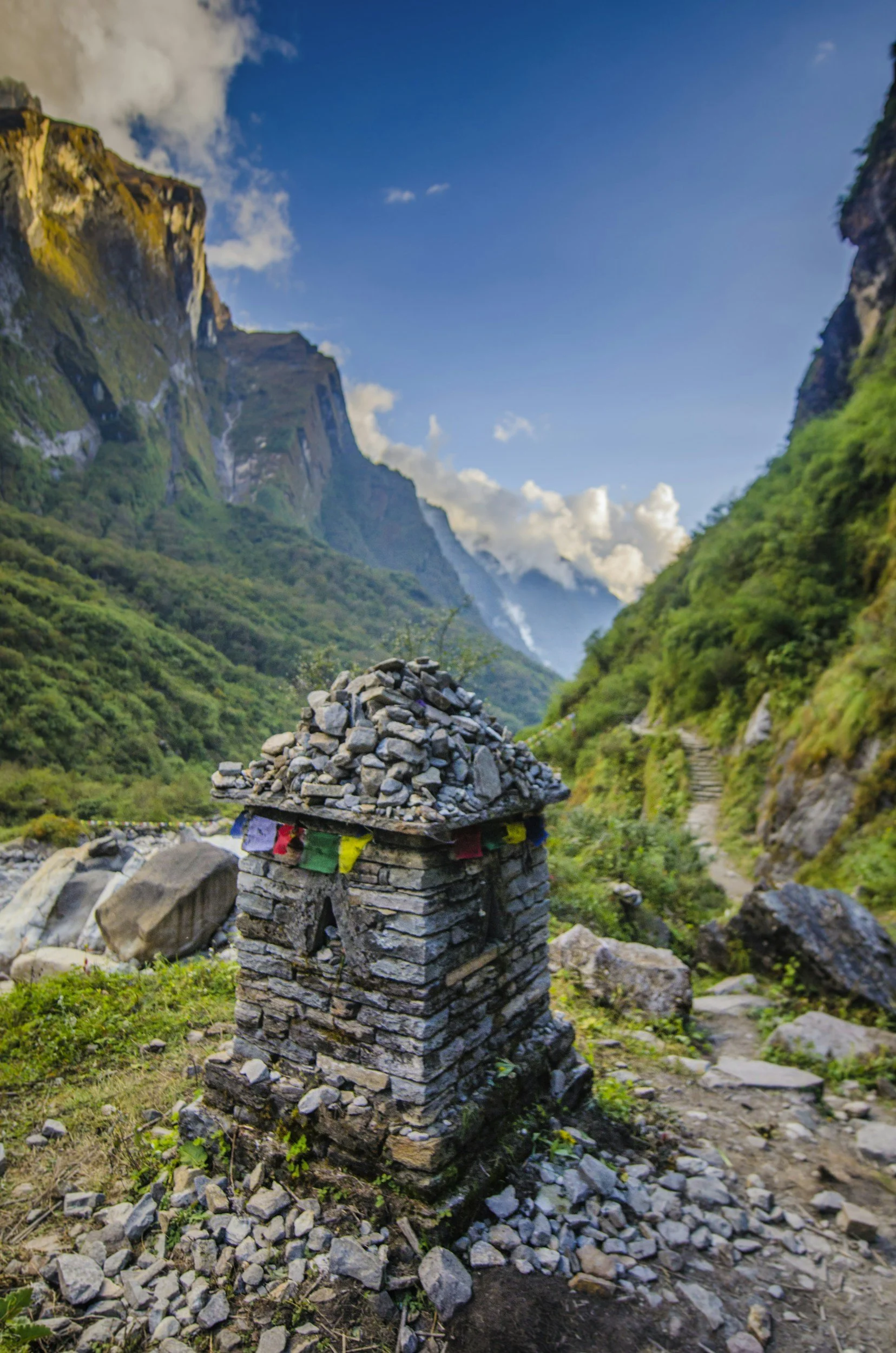
The Himalayas contain the world’s highest peaks, including Mount Everest and Kangchenjunga, with dramatic valleys, glacial rivers, and alpine meadows. Steep terraced fields hug mountain slopes, while forests of rhododendron, pine, and juniper spread across lower elevations. Villages cling to rugged hillsides, often connected by narrow mountain trails rather than expansive plains.
The Climate
The region has extreme variation, from subtropical valleys to frigid high-altitude plateaus. Summers can be warm and rainy due to monsoons, while winters bring heavy snow and long periods of isolation in higher elevations. Seasonal shifts strongly shape daily life, encouraging reliance on preserved foods, warming spices, and hearty grains during harsh winters, with fresher harvests appearing during the shorter growing seasons.

Traditional Flavors
Flavor Profile
Warming, earthy, aromatic, fermented, hearty, herbal
Culinary Essence
Food in the Himalayan region is simple yet deeply flavorful, designed to sustain people in demanding environments. Meals often center on grains like rice or barley, with legumes, seasonal vegetables, and warming spices layered in. Fermented foods and hearty broths are common, while yak dairy and meats (traditionally) shaped local diets- but plant-based versions adapt these to beans, lentils, and plant oil butters.
Seasonal Notes
Summer emphasizes fresh garden vegetables, lighter broths, and foraged herbs, while autumn brings grains and legumes harvested for storage. Winter diets rely heavily on pickled or fermented foods, root vegetables, and warming stews, reflecting the need for calorie-dense and sustaining meals. Spring introduces wild greens and shoots, signaling the renewal of seasonal variety after the scarcity of winter.
Kitchen Inspiration
Here’s how ingredients, cooking styles, and classic dishes connect in this cuisine.
Flavor Combo Ideas
Lentils + turmeric + cumin
Fermented greens + chili + garlic
Barley + potatoes + mustard greens
Rice + ginger + pickled radish
Cooking Methods
Stewing – hearty soups and lentil-based broths
Steaming – dumplings and breads like momo
Fermenting – vegetables, pickles, and soybeans
Roasting – grains and spices for depth
Dish References
Lentils with rice and vegetables (dal bhat)
Steamed vegetable dumplings (momo)
Fermented leafy greens (gundruk)
Vegetable noodle soup (thukpa)
Creamy roasted barley porridge (tsampa)
Signature Ingredients
Here are the plant-based ingredients that define this sub-region. Click to explore each category below.
-
Beans & Lentils
Lentils (red, yellow, black)
Chickpeas
Black gram (urad dal)
Soy Products
Tofu (modern addition; used in soups like thukpa or momo fillings)
Tempeh (modern substitute for meat in hearty stews)
-
Whole Grains
Rice
Barley
Millet
Buckwheat
Grain Products
Flatbreads (rotis, chapatis)
Noodles (hand-pulled, wheat- or buckwheat-based)
-
Starchy Vegetables
Potatoes
Sweet potatoes
Yams
Non-Starchy Vegetables
Onions
Garlic
Carrots
Cabbage
Cauliflower
Tomatoes (valley regions)
Mushrooms
Radishes
Turnips
Leafy Greens
Mustard greens
Spinach
Cabbage greens
Radish greens
-
Whole Foods
Walnuts
Pine nuts
Sesame seeds
Plant Oils
Sesame oil
Plant-oil butter (stand-in for yak butter in Tibetan regions)
-
Herbs
Cilantro
Mint
Dill
Green onions
Spices
Turmeric
Cumin
Coriander
Fenugreek
Ginger
Chili flakes
Sichuan pepper (timur)
Bay leaf
Cardamom
Cinnamon
Clove
Nutmeg
-
Condiments & Flavorings
Soy sauce (used in Tibetan and Nepalese border-region cooking)
Acids & Brighteners
Pickled vegetables (radish, cucumber, greens)
Tomato (used as a souring base in curries and broths)
Lemon or lime (in lower valleys and Nepalese cuisine)
-
Apples
Pears
Stone fruits (apricots, plums, peaches, cherries, nectarines)