
New to the Global Flavor Atlas?
Check out From Map to Meal to learn how to turn these ingredient guides into delicious, globally inspired dishes!
Southern & Southeastern Asia
Indian
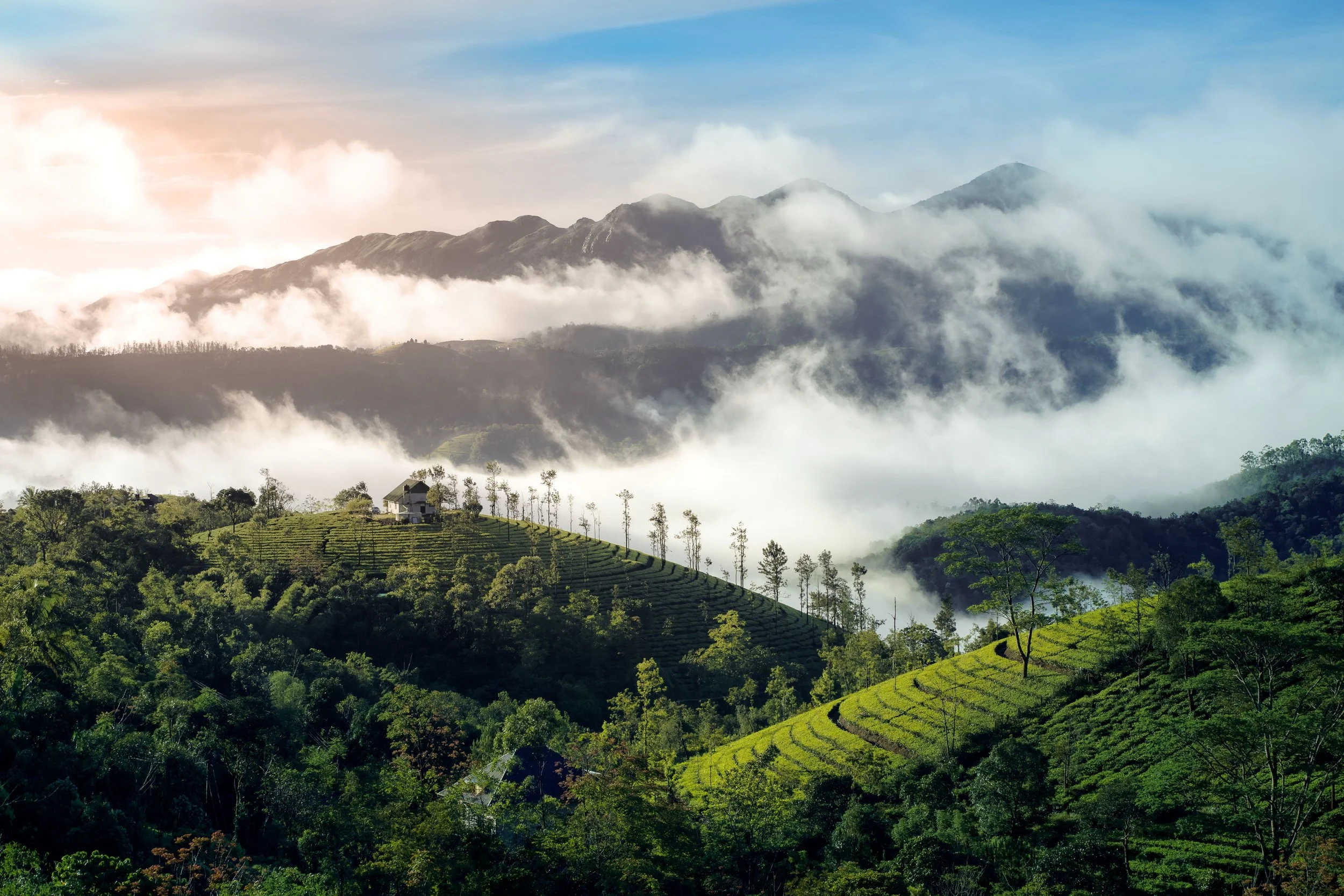
Regional Overview
The Area
India occupies a vast subcontinent in South Asia, bordered by Pakistan, Nepal, Bhutan, China, Bangladesh, and Myanmar, with the Indian Ocean to the south. It is home to dozens of states and regions, each with its own language, traditions, and cultural heritage. The diversity of geography and history has made India a crossroads of trade and ideas for thousands of years, leaving deep cultural imprints across the land.
The Landscape
The country stretches from the Himalayan mountains in the north to the coastal plains and beaches of the south. Fertile river valleys like the Ganges and Brahmaputra nurture dense populations, while central India contains forests, plateaus, and mineral-rich terrain. The Thar Desert covers the northwest, while tropical forests and lush deltas define the east and south.
The Climate
India’s climate ranges from snowy alpine in the north to arid desert in Rajasthan and tropical humidity in Kerala and Tamil Nadu. The summer monsoon dominates much of the country, bringing life-sustaining rains that define agricultural cycles. Winters are mild in most areas but cold in the north, and seasonal variations influence festivals, daily routines, and resource use throughout the year.

Traditional Flavors
Flavor Profile
Aromatic, spiced, earthy, tangy, layered, vibrant
Culinary Essence
Indian cuisine is characterized by the masterful use of spices and the balance of flavors, often combining sweet, sour, salty, bitter, and pungent notes in a single meal. Grains like rice and wheat form the foundation, paired with legumes, vegetables, and aromatic spice blends. Meals are designed to be shared, with a wide variety of curries, chutneys, and accompaniments. In the north, flavors lean toward warming spices, wheat-based breads, and creamy curries, while the south highlights rice, tamarind, coconut, and curry leaves for a brighter, tangier profile.
Seasonal Notes
Spring and summer highlight lighter vegetables, fresh herbs, and cooling dishes flavored with yogurt-like substitutes or refreshing chutneys. Autumn and winter bring root vegetables, warming lentil stews, and spice-forward dishes designed for comfort and preservation. Seasonal fruits like mangoes, melons, and citrus also shape festive traditions, marking harvest and celebration cycles across the subcontinent.
Kitchen Inspiration
Here’s how ingredients, cooking styles, and classic dishes connect in this cuisine.
Pairing Tips
Lentils + turmeric + cumin
Rice + mustard seed + curry leaves
Tomato + ginger + chili
Tamarind + potato + coriander
Cooking Methods
Simmering – curries, dals, and slow-cooked stews.
Tempering (tadka) – frying spices in oil to release aroma before adding to dishes.
Steaming – rice, idli, and dhokla.
Roasting – dry roasting spices or toasting flours for depth.
Dish References
Red lentil stew (masoor dal)
Spiced chickpeas (chana masala)
Fragrant rice with vegetables (vegetable biryani)
Lentil and tamarind vegetable stew (sambar)
Signature Ingredients
Here are the plant-based ingredients that define this sub-region. Click to explore each category below.
-
Beans & Lentils
Red lentils (masoor dal)
Pigeon peas (toor dal)
Chickpeas (chana)
Black gram (urad dal)
Mung beans
Kidney beans (common in northern dishes)
Soy Products
Tofu (modern substitute for paneer or meat in curries and vegetable dishes)
Tempeh (adaptation for kebab-style marinades or spiced stews)
-
Whole Grains
Rice (basmati, sona masoori, other regional varieties)
Barley
Millet (finger millet/ragi, pearl millet/bajra)
Grain Products
Flatbreads (chapati, roti, paratha)
Fermented grain batters (used for idli/dosa-style preparations)
-
Starchy Vegetables
Potatoes
Sweet potatoes
Yams
Plantains
Taro
Non-Starchy Vegetables
Onions
Garlic
Tomatoes
Eggplant
Okra
Cauliflower
Bell peppers
Green beans
Cabbage
Leafy Greens
Spinach
-
Whole Foods
Coconut (fresh or milk)
Peanuts
Cashews
Almonds
Plant Oils
Coconut oil (southwestern regions)
Peanut oil (western regions)
-
Herbs
Cilantro
Mint
Curry leaves
Spices
Turmeric
Cumin
Coriander
Mustard seeds
Fenugreek
Fennel seeds
Black pepper
Red chili powder
Asafoetida (hing)
Bay leaf
Star anise
Garam masala (regional spice blends)
Curry powder (modern/global blend)
Cardamom
Cinnamon
Cloves
Nutmeg
-
Condiments & Flavorings
Tamarind paste
Coconut chutney
Coriander chutney
Pickles (achar: mango, lime, chili, mixed vegetables)
Acids & Brighteners
Tamarind
Lime
Pickled vegetables
-
Mangoes
Bananas
Guavas
Papayas
Pomegranates
Citrus (lemons, limes, oranges)
Melons (watermelon, cantaloupe, honeydew)