
New to the Global Flavor Atlas?
Check out From Map to Meal to learn how to turn these ingredient guides into delicious, globally inspired dishes!
Southern & Southeastern Asia
Indonesian & Malaysian
Regional Overview
The Area
This sub-region covers Indonesia and Malaysia, two neighboring nations in Southeast Asia. Together, they form a diverse cultural crossroads shaped by indigenous traditions, trade routes, and influences from South Asia, the Middle East, and China. Across thousands of islands and peninsular lands, you’ll find remarkable variation in customs and ways of life
The Landscape
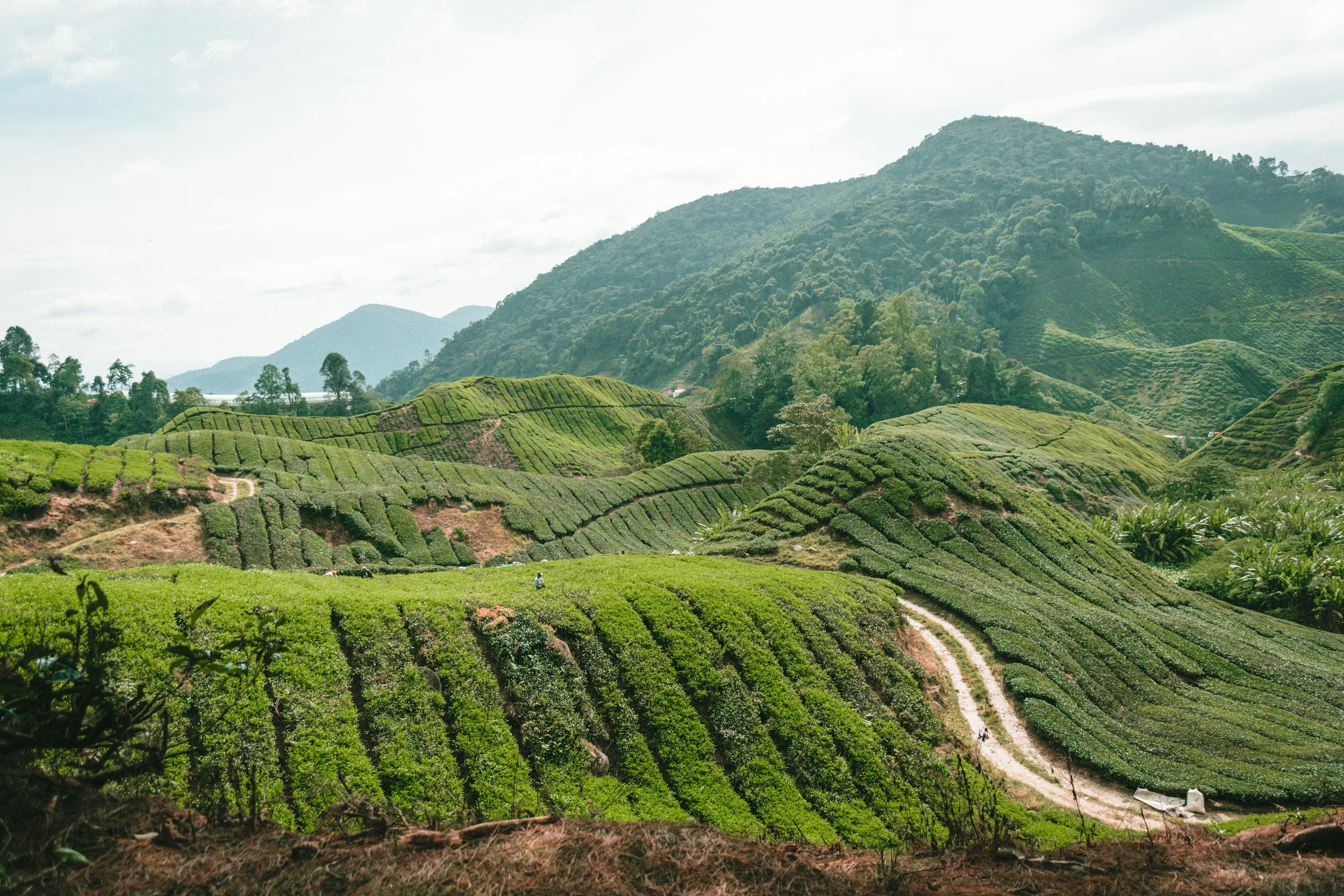
Indonesia, the world’s largest archipelago, is made up of over 17,000 islands, with volcanic mountains, lush rainforests, and coral-fringed coastlines. Malaysia combines the Malay Peninsula with the island of Borneo, offering tropical beaches, limestone caves, and dense jungle. Rivers carve fertile valleys, while terraced rice fields spread across hillsides, showing the deep connection between land and livelihood.
The Climate
Both countries share a humid tropical climate with high rainfall and consistently warm temperatures year-round. Seasonal monsoons bring heavy rains, essential for agriculture but often disruptive to daily activities. The abundance of sunshine, humidity, and fertile soils supports biodiversity, shaping both farming cycles and community traditions.

Traditional Flavors
Flavor Profile
Spicy, aromatic, smoky, tangy, earthy, bold
Culinary Essence
Food in this region is deeply layered, with spice pastes (rempah) forming the foundation of many dishes. Meals often combine heat from chilies, tang from tamarind or lime, and richness from coconut in a single plate. Communal dining is central, with multiple small dishes served alongside rice, creating harmony through contrast. Tempeh, uniquely Indonesian, is a traditional plant protein that has been a staple for centuries.
Seasonal Notes
While the tropical climate means fresh produce is available year-round, dishes shift with harvest cycles. Wet season meals lean on preserved or fermented ingredients like tempeh, sambal, and dried spices, while dry season months bring an abundance of fresh fruits and vegetables. Festivals often highlight special rice preparations or elaborate spice-rich stews.

Kitchen Inspiration
Here’s how ingredients, cooking styles, and classic dishes connect in this cuisine.
Flavor Combo Ideas
Chili + lime + tamarind
Coconut milk + lemongrass + galangal
Peanut + garlic + chili
Turmeric + ginger + shallots
Cooking Methods
Simmering – coconut-based curries and stews.
Grilling – smoky satay and skewered vegetables.
Stir-frying – quick-cooked vegetables and noodles.
Steaming – rice cakes, tempeh, and wrapped foods in banana leaves.
Dish References
Vegetable salad with peanut sauce (gado-gado)
Spiced coconut stew with tempeh (tempeh rendang)
Vegetable coconut curry (sayur lodeh)
Aromatic coconut rice with sides (nasi uduk)
Steamed vegetables with spiced coconut dressing (urap)
Signature Ingredients
Here are the plant-based ingredients that define this sub-region. Click to explore each category below.
-
Beans & Lentils
Soybeans (used for tempeh and tofu)
Mung beans
Soy Products
Tempeh (traditional; simmered in spiced coconut sauces, fried, or served with sambal)
Tofu (widely used in soups, stir-fries, curries, and satay-style dishes)
-
Whole Grains
Rice (jasmine, sticky, red, black varieties)
Brown rice
Grain Products
Rice noodles
-
Starchy Vegetables
Sweet potatoes
Cassava
Taro
Plantains
Non-Starchy Vegetables
Cucumbers
Carrots
Eggplant
Bamboo shoots
Chilies (fresh green and red)
Mushrooms
Shallots
Leafy Greens
Cabbage
Spinach
-
Whole Foods
Peanuts
Coconut
Cashews
Plant Oils
Coconut oil
Peanut oil
-
Herbs
Lemongrass
Kaffir lime leaves
Cilantro
Thai basil
Spices
Black pepper
Dried chilies
Turmeric
Ginger
Galangal
Coriander seed
Cumin
Cloves
Nutmeg
Cinnamon
Star anise
Cardamom
-
Condiments & Flavorings
Sambal (chili paste; many regional varieties)
Peanut sauce
Coconut milk
Acids & Brighteners
Tamarind
Lime
Vinegar
-
Bananas
Mangoes
Pineapples
Papayas
Coconuts
Guavas
Jackfruit
Melons (watermelon, cantaloupe)