
New to the Global Flavor Atlas?
Check out From Map to Meal to learn how to turn these ingredient guides into delicious, globally inspired dishes!
Southern & Western Eastern Europe
Italian

Regional Overview
The Area
Italy sits on the southern edge of Europe, extending into the Mediterranean Sea as a long peninsula with the islands of Sicily and Sardinia. It is bordered by France, Switzerland, Austria, and Slovenia to the north, with microstates San Marino and Vatican City within its borders. Each region of Italy, from the Alps to the southern coasts, carries a distinct cultural identity shaped by centuries of history.
The Landscape
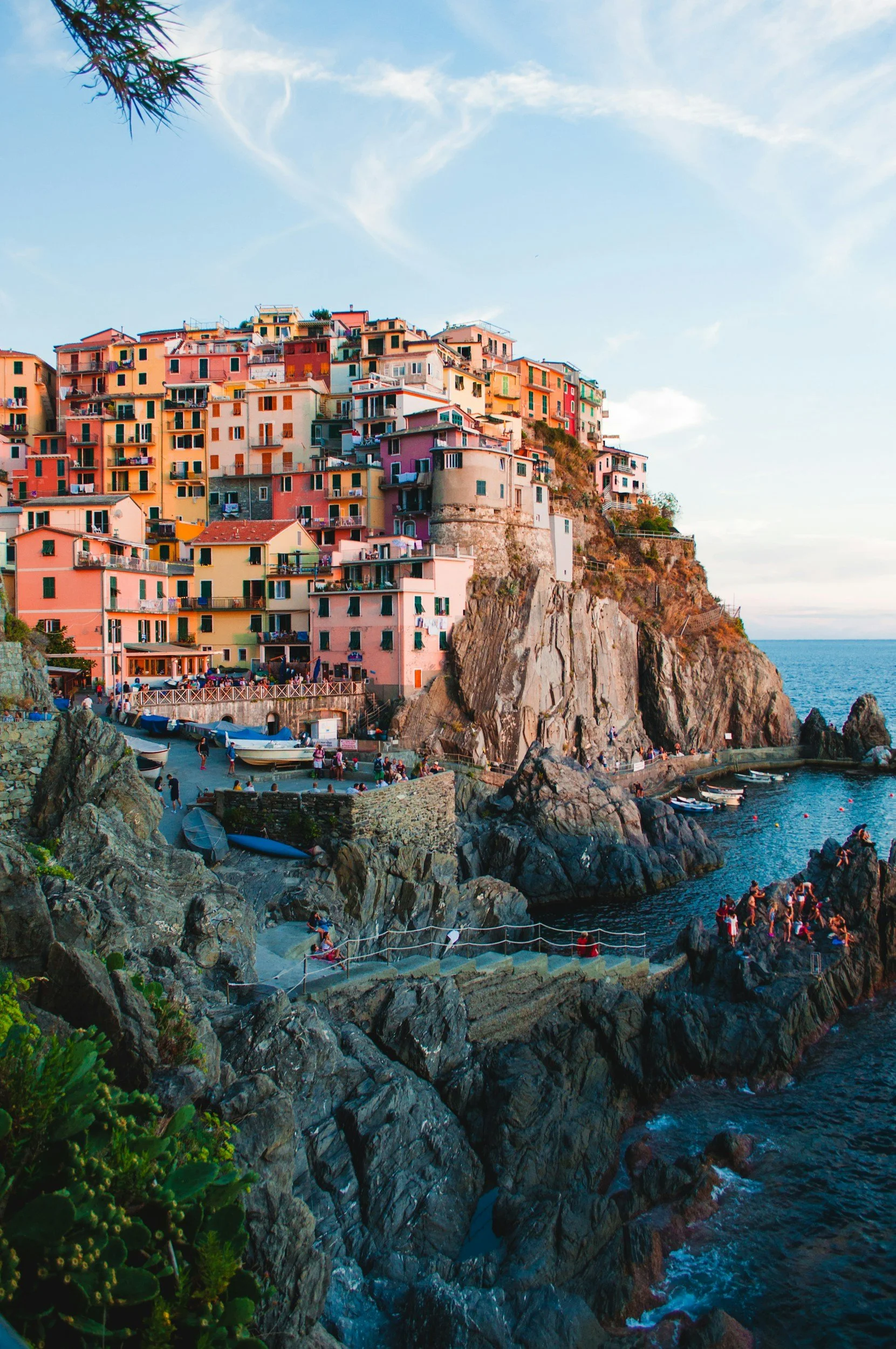
Italy’s geography is dramatically varied: the snow-capped Alps form a natural border in the north, while the Apennine Mountains run down the center of the peninsula. Fertile river valleys like the Po support lush farmland, while rolling hills of Tuscany and Umbria are dotted with forests and vineyards. Along the coasts, rocky cliffs, sandy beaches, and historic ports line the Mediterranean. Volcanic landscapes such as Mount Vesuvius and Mount Etna add striking natural features.
The Climate
The climate ranges from alpine in the north to Mediterranean in the south. Summers are hot and dry along the coasts but milder in the mountains, while winters are cold in the north and much warmer in southern Italy and the islands. Spring and autumn are marked by mild temperatures and abundant harvests, and seasonal shifts are celebrated through festivals and traditions tied closely to the land.
Traditional Flavors
Flavor Profile
Herbal, savory, tangy, earthy, bright, aromatic
Culinary Essence
Italian cuisine is simple yet deeply expressive, built on the idea that a few fresh ingredients can shine when prepared with care. Meals often center on grains, legumes, and vegetables, enhanced by olive oil, herbs, and seasonal produce. Regional differences are strong, with northern Italy leaning toward rice and polenta while the south emphasizes pasta, tomatoes, and citrus. Across all regions, the style is communal, joyful, and rooted in tradition.
Seasonal Notes
Winter emphasizes grains, beans, and root vegetables, with slow-cooked stews providing warmth. Spring brings artichokes, peas, and tender greens. Summer is abundant with tomatoes, zucchini, eggplant, and fresh herbs, often simply grilled or simmered. Autumn celebrates mushrooms, chestnuts, and squash, shifting the table back toward earthy, comforting dishes as cooler weather sets in.

Kitchen Inspiration
Here’s how ingredients, cooking styles, and classic dishes connect in this cuisine.
Flavor Combo Ideas
Tomato + basil + olive oil
Lemon + garlic + parsley
Mushroom + rosemary + barley
Chickpeas + greens + olive oil
Cooking Methods
Simmering – soups, broths, and legume-based stews.
Roasting – vegetables and grains enhanced with herbs and citrus.
Braising – hearty slow-cooked dishes that develop depth.
Baking – breads, focaccia, and rustic casseroles.
Dish References
Minestrone soup (vegetable and bean stew)
Pasta with tomato and basil (spaghetti al pomodoro, plant-based)
Chickpea stew (ceci in umido)
Barley and mushroom risotto (orzotto)
Eggplant and zucchini with olive oil and herbs (caponata, Sicilian style)
Signature Ingredients
Here are the plant-based ingredients that define this sub-region. Click to explore each category below.
-
Beans & Lentils
Chickpeas
Lentils (brown, green)
White beans (cannellini, borlotti, navy)
Soy Products
Tofu (works as a cheese or ricotta alternative in pastas and lasagnas)
Tempeh (substitute for meat in ragù, braises, or rustic regional dishes)
-
Whole Grains
Barley
Farro
Rice (arborio, carnaroli for risotto)
Grain Products
Pasta (durum wheat semolina)
Rustic country breads (pane casereccio, focaccia)
Polenta (cornmeal, northern Italy)
-
Starchy Vegetables
Potatoes
Non-Starchy Vegetables
Tomatoes
Onions
Garlic
Zucchini
Eggplant
Bell peppers
Celery
Fennel bulb
Artichokes
Mushrooms (porcini, button, chanterelle)
Carrots
Leafy Greens
Spinach
Chard
Arugula
Kale
Radicchio
Escarole
-
Whole Foods
Olives
Almonds
Hazelnuts
Walnuts
Pine nuts
Plant Oils
Olive oil
Plant-oil butter (used as a stand-in for traditional dairy butter)
-
Herbs
Basil
Parsley
Rosemary
Oregano
Sage
Thyme
Marjoram
Bay leaf
Spices
Black pepper
Red chili flakes
Fennel seed
Nutmeg
Clove
Anise
Saffron
-
Condiments & Flavorings
Tomato paste
Olive tapenade
Pesto (basil, pine nut, olive oil, lemon)
Capers
Sundried tomatoes
Garlic confit–style flavors
Piquillo-style roasted red peppers (optional but authentic in some modern Italian dishes)
Acids & Brighteners
Vinegars (red wine, white wine, balsamic)
Lemon
-
Apples
Pears
Berries (strawberries, raspberries, blackberries, blueberries)
Stone fruit (cherries, plums, peaches, apricots, nectarines)
Grapes
Citrus (lemons, oranges, mandarins)
Melons (cantaloupe, honeydew, watermelon)
Figs
Pomegranates