
New to the Global Flavor Atlas?
Check out From Map to Meal to learn how to turn these ingredient guides into delicious, globally inspired dishes!
Eastern Asia
Korean

Regional Overview
The Area
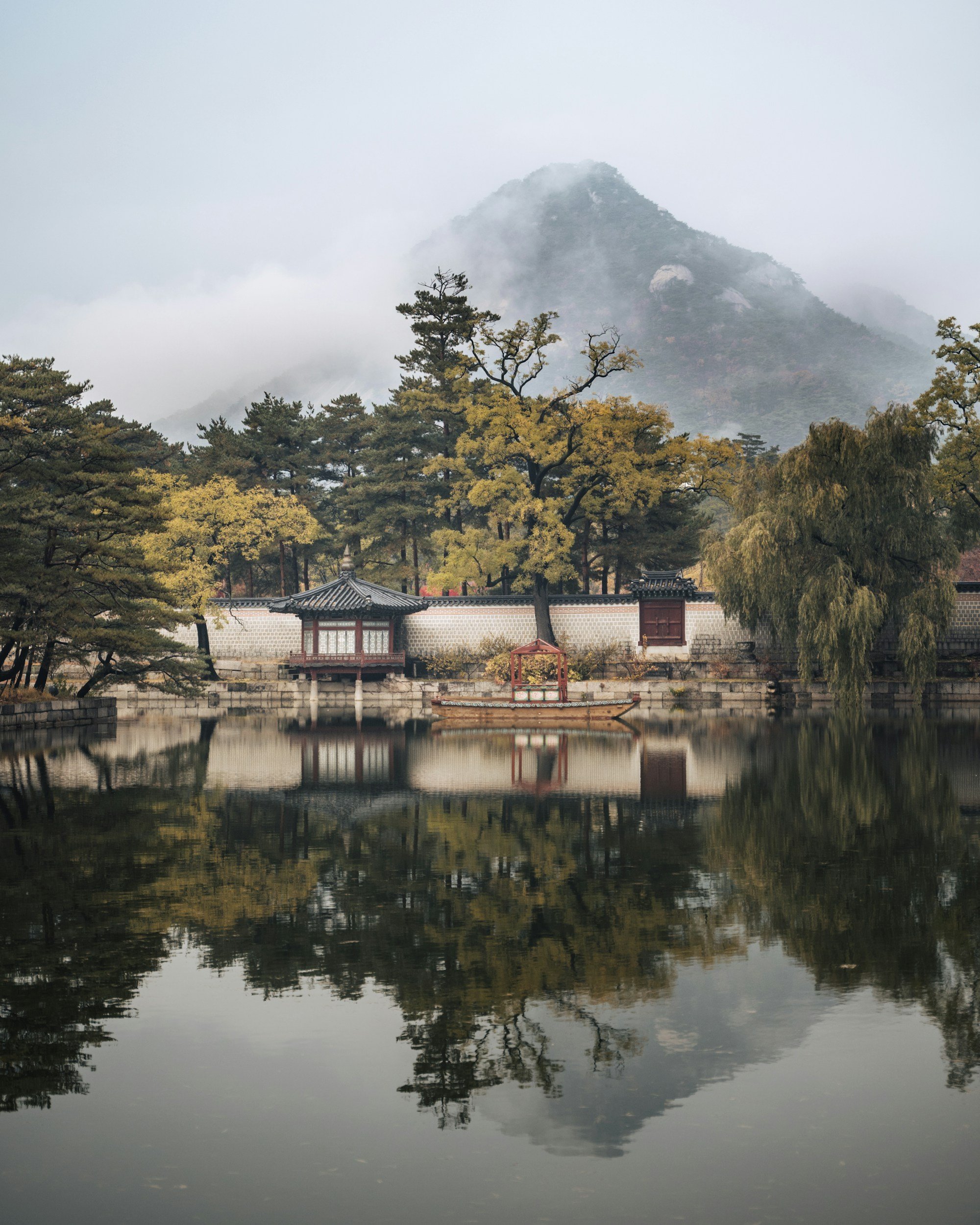
This sub-region focuses on the Korean Peninsula, encompassing both North and South Korea. Together, they share a rich cultural heritage shaped by thousands of years of history, distinct dynasties, and strong traditions that continue to influence daily life. The peninsula’s position between China and Japan has also fostered unique cultural exchanges while preserving a distinct Korean identity.
The Landscape
Mountain ranges dominate much of the Korean Peninsula, with fertile valleys and plains nestled between. The land is dotted with rivers like the Han and Nakdong, and surrounded by coastlines that bring the sea close to daily living. Forested hills, rice paddies, and fishing villages give the countryside a textured, varied feel.
The Climate
Korea experiences four very distinct seasons. Summers are hot and humid, while winters are long and icy, especially inland. Spring brings blossoms and greenery, while autumn is marked by crisp air and vivid foliage. These changes not only shape daily life but also inspire seasonal customs, gatherings, and food traditions.
Traditional Flavors
Flavor Profile
Bold, spicy, tangy, umami-rich, fermented, warming
Culinary Essence
Korean cuisine is built on balance, layering grains, vegetables, and fermented seasonings into flavorful, nourishing meals. Shared banchan (small side dishes) create variety and color at the table, while stews, rice, and kimchi anchor daily eating. Fermentation defines much of the flavor, with soy sauce, gochujang (chili paste), and doenjang (soybean paste) adding depth and complexity.
Seasonal Notes
Summer brings lighter dishes such as cold noodles and fresh vegetable banchan, while autumn emphasizes harvest produce and preserved condiments. Winter is shaped by kimjang (communal kimchi-making), ensuring fermented vegetables last through the cold months. Spring highlights mountain greens and wild herbs, offering bright contrast to heartier staples.

Kitchen Inspiration
Here’s how ingredients, cooking styles, and classic dishes connect in this cuisine.
Flavor Combo Ideas
Gochujang + sesame oil + garlic
Soy sauce + scallions + sesame seeds
Kimchi + tofu + rice
Cucumber + garlic + sesame oil
Cooking Methods
Fermenting – essential for kimchi, soybean paste, and condiments.
Stewing – vegetable and tofu-based jjigae (stews).
Steaming/boiling – rice, dumplings, and grains.
Grilling/braising – vegetables and plant proteins with marinades.
Dish References
Soybean paste stew with tofu and vegetables (doenjang jjigae)
Mixed rice bowl with seasoned vegetables (bibimbap)
Stir-fried sweet potato noodles with vegetables (japchae)
Assorted seasonal vegetable side dishes (banchan)
Signature Ingredients
Here are the plant-based ingredients that define this sub-region. Click to explore each category below.
-
Beans & Lentils
Soybeans
Red beans (adzuki)
Mung beans
Soy Products
Tofu (traditional; used in jjigae, stir-fries, braises, and savory pancakes)
Tempeh (modern substitute for beef or pork in bulgogi-style marinades or spicy stews)
-
Whole Grains
Rice (short-grain)
Barley
Millet
Sorghum
Grain Products
Noodles (buckwheat naengmyeon-style, wheat noodles, sweet potato glass noodles)
-
Starchy Vegetables
Sweet potatoes
White potatoes
Taro
Non-Starchy Vegetables
Napa cabbage
Daikon radish
Cucumbers
Zucchini
Onions
Garlic
Carrots
Mushrooms (shiitake, enoki, oyster)
Leafy Greens
Spinach
Mustard greens
-
Whole Foods
Sesame seeds
Pine nuts
Chestnuts
Walnuts
Plant Oils
Sesame oil (toasted)
-
Herbs
Scallions
Perilla (shiso)
Spices
Black pepper
Red chili flakes (gochugaru)
Ginger
Gochujang powder (fermented chili powder)
Cinnamon
Clove
Nutmeg
-
Condiments & Flavorings
Gochujang (fermented chili paste)
Doenjang (fermented soybean paste)
Soy sauce
Roasted sesame oil for finishing
Acids & Brighteners
Rice vinegar
Kimchi (fermented Napa cabbage or radish)
Kimchi brine (used in stews, pancakes, marinades)
Pickled radish
-
Asian pears
Persimmons (fresh and dried)
Apples
Citrus (mandarin oranges)