
New to the Global Flavor Atlas?
Check out From Map to Meal to learn how to turn these ingredient guides into delicious, globally inspired dishes!
Latin America & Caribbean
Mexican

Regional Overview
The Area
This sub-region encompasses Mexico, a country in North America bordered by the United States to the north and Central America to the south. Its culture reflects a vibrant blend of Indigenous civilizations, Spanish colonial influences, and regional diversity that continues to shape identity today. From bustling cities to rural villages, traditions remain deeply tied to the land and community life.
The Landscape
Mexico’s terrain is strikingly varied, from the high-altitude Central Plateau and Sierra Madre mountains to the tropical rainforests of the south and arid deserts of the north. Vast coastlines line both the Pacific Ocean and the Gulf of Mexico, supporting fishing and trade. Fertile valleys and volcanic soils provide abundant agriculture, while rivers like the Rio Grande and Usumacinta shape regional ecosystems.
The Climate
Climate ranges from arid desert in the north to tropical wet forests in the south, with temperate highlands in between. Seasonal rains mark much of the country, with wet summers and drier winters. In agricultural zones, these patterns influence harvests of staple crops such as maize, beans, and squash, directing the patterns of the day-to-day.
Traditional Flavors
Flavor Profile
Bold, earthy, smoky, spicy, tangy, aromatic
Culinary Essence
Mexican cuisine balances hearty staples with vibrant accents, using corn, beans, and chilies as its backbone. Regional differences are pronounced: northern regions lean toward hearty bean-and-grain fare, while the south showcases moles, tropical produce, and Indigenous foodways. Meals are often communal, with tortillas acting as the vehicle for endless combinations of fillings, salsas, and accompaniments.
Seasonal Notes
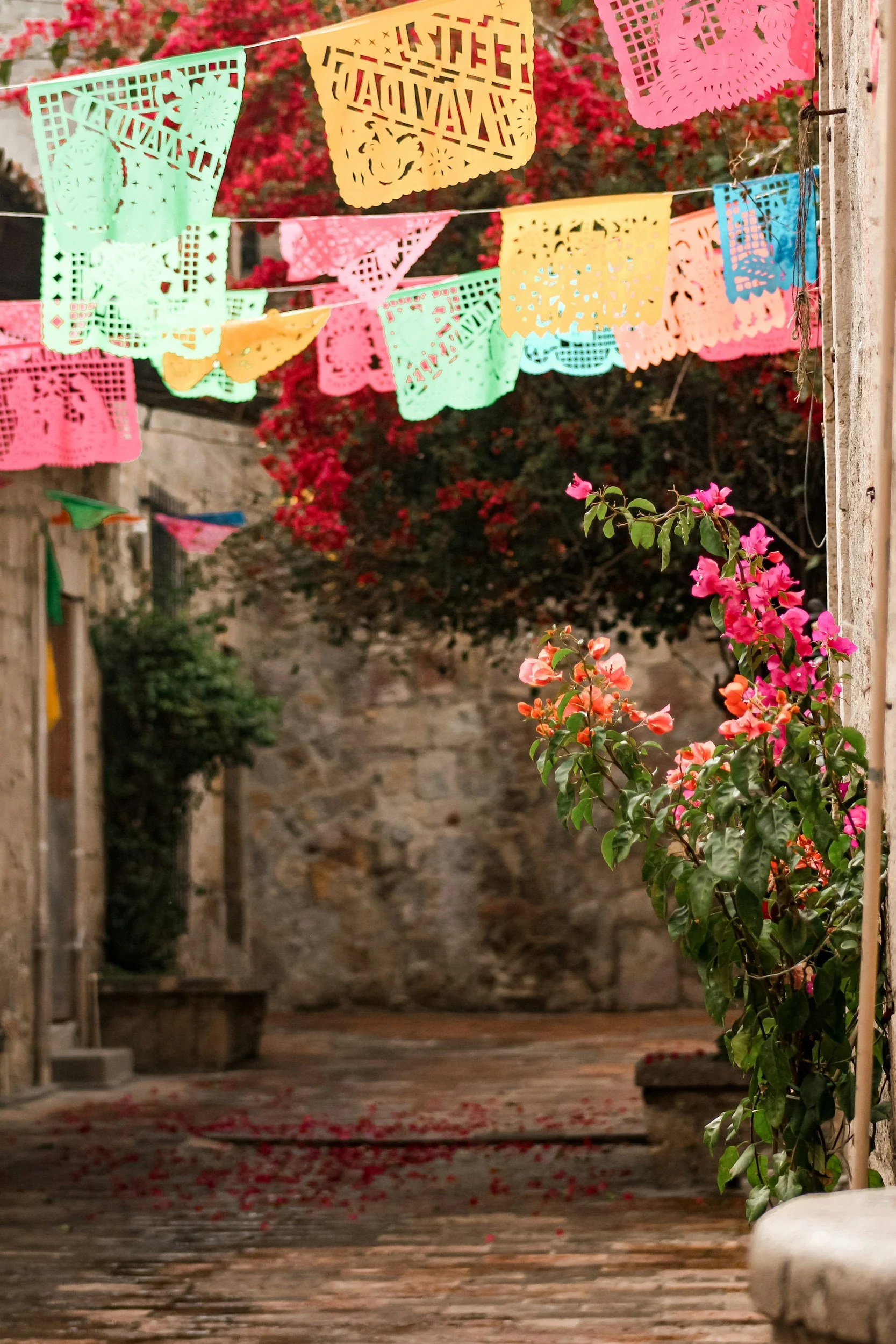
Seasonal cooking is deeply tied to harvests and festivals. Summer brings fresh fruits, vegetables, and lighter salsas, while fall and winter highlight richer preparations like tamales, roasted squash, and complex sauces. Celebrations such as Día de los Muertos and Christmas feature special plant-based dishes tied to Indigenous and Catholic traditions, reflecting the cultural events of the year.
Kitchen Inspiration
Here’s how ingredients, cooking styles, and classic dishes connect in this cuisine.
Pairing Ideas
Corn + beans + chilies
Tomato + onion + cilantro
Avocado + lime + salt
Squash + spinach + black beans
Cooking Methods
Griddling – tortillas, salsas, and roasted vegetables on a comal.
Boiling/Simmering – soups, stews, and bean dishes prepared gently.
Roasting – chilies, tomatoes, and tomatillos charred for smoky depth.
Steaming – tamales and vegetable parcels cooked until tender.
Dish References
Black bean tacos with avocado and salsa (tacos de frijoles negros)
Vegetable or bean-filled masa pockets (tamales)
Red pozole with hominy and mushrooms (pozole rojo)
Cactus salad with tomatoes and onions (ensalada de nopales)
Sautéed zucchini with onion, corn, and tomato (calabacitas)
Signature Ingredients
Here are the plant-based ingredients that define this sub-region. Click to explore each category below.
-
Beans & Lentils
Black beans
Pinto beans
Lentils
Kidney beans (regional, northern Mexico)
Soy Products
Tofu (modern adaptation; crumbled or sliced for tacos, enchiladas, and stews)
Tempeh (used as a stand-in for chorizo-style crumbles or braised fillings)
-
Whole Grains
Rice
Amaranth
Grain Products
Corn tortillas
Wheat tortillas
Masa harina (used for tamales, sopes, gorditas)
Hominy (nixtamalized corn)
-
Starchy Vegetables
Corn
Potatoes
Sweet potatoes
Squash (calabaza and pumpkin varieties)
Plantains (southern regions)
Non-Starchy Vegetables
Tomatoes
Tomatillos
Onions
Chilies (jalapeño, serrano, poblano, ancho, guajillo, pasilla, chipotle)
Zucchini
Bell peppers
Radishes
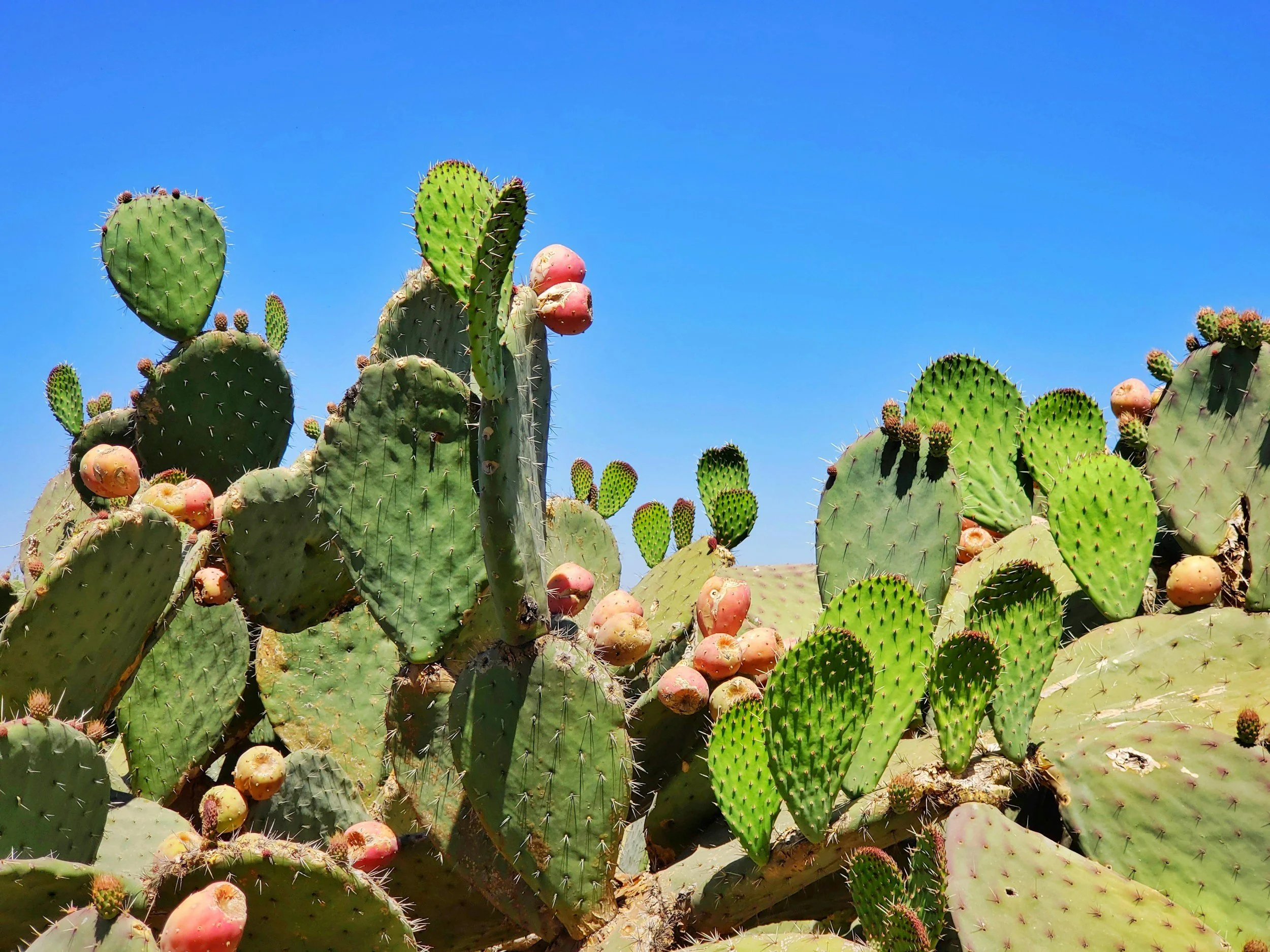
Nopales (cactus paddles)
Leafy Greens
Spinach
Romaine lettuce
-
Whole Foods
Avocado
Pumpkin seeds (pepitas)
Peanuts
Plant Oils
Neutral plant oils (used where lard was traditional)
-
Herbs
Cilantro
Mexican oregano
Parsley
Epazote
Spices
Black pepper
Cumin
Bay leaf
Coriander seed
Allspice
Dried chilies (ancho, guajillo, pasilla, chipotle, others)
-
Condiments & Flavorings
Salsas (red, green, roasted styles)
Mole sauces (chili-spice blends)
Achiote paste (annatto-based, Yucatán)
Acids & Brighteners
Lime
Vinegar
Pickled vegetables (jalapeños, carrots)
-
Mango
Papaya
Pineapple
Guava
Citrus (limes, oranges)
Prickly pear