
New to the Global Flavor Atlas?
Check out From Map to Meal to learn how to turn these ingredient guides into delicious, globally inspired dishes!
Middle East & Northern Africa
Moroccan

Regional Overview
The Area
Morocco sits at the northwestern tip of Africa, bordered by Algeria to the east and southeast, Western Sahara to the south, and the Atlantic Ocean and Mediterranean Sea along its coasts. Its position has long made it a gateway between Africa, Europe, and the Arab world.
The Landscape
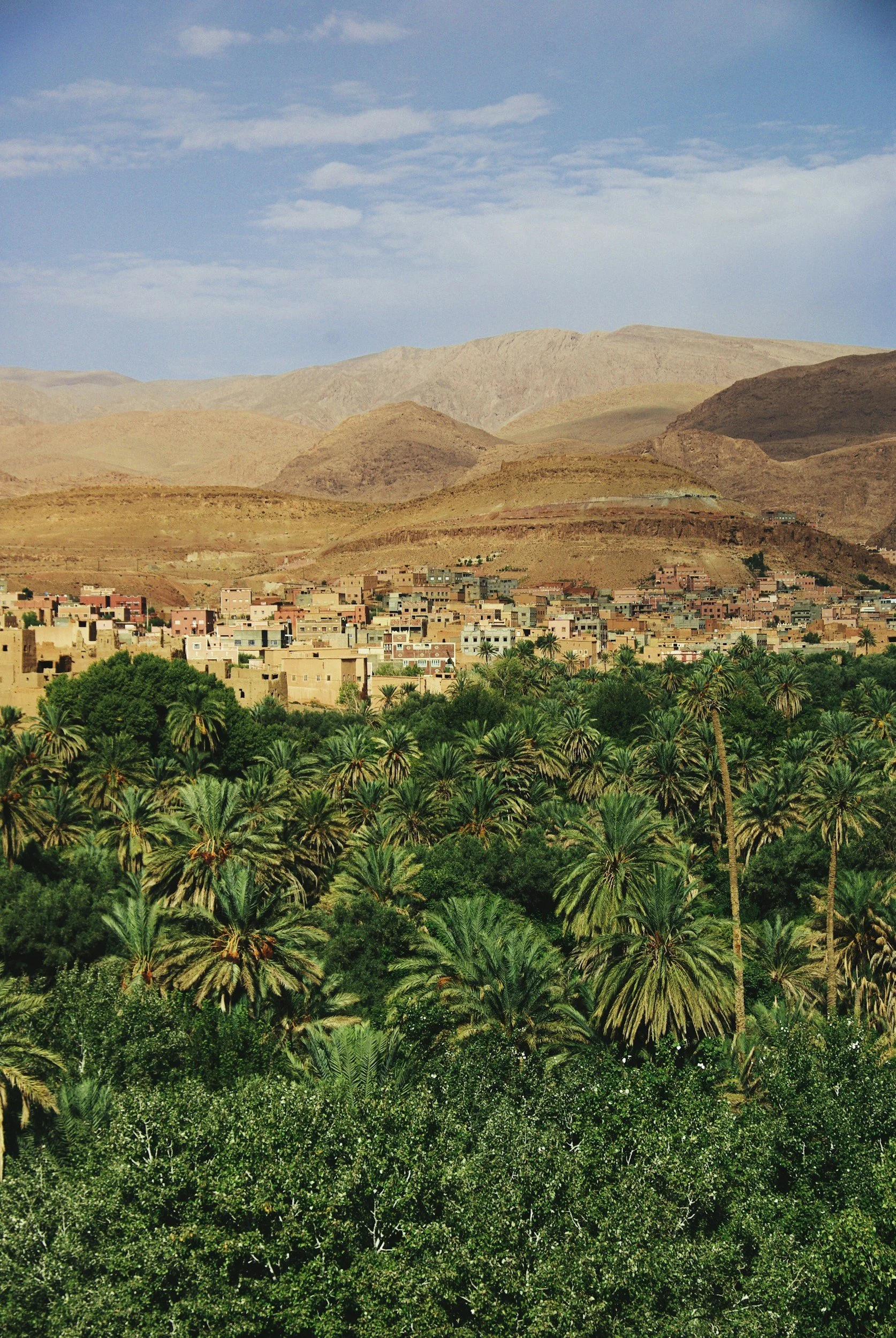
Morocco’s geography is a blend of contrasts: the snow-capped Atlas Mountains cut through the center of the country, while the Rif Mountains rise in the north. The Atlantic and Mediterranean coasts offer sandy beaches and fertile plains, while the vast Sahara Desert stretches across the south. Oases, valleys, and forested hills add layers of diversity to the terrain.
The Climate
Morocco has a largely Mediterranean climate along the coast, with mild, wet winters and hot, dry summers. Inland, the mountains and desert create more extremes, with cold, snowy winters at high elevations and scorching summers in the south. Seasonal changes shape life, with harvests in fertile valleys and traditions of preserving food for drier months.

Traditional Flavors
Flavor Profile
Spiced, fragrant, citrusy, sweet-savory, herbal, earthy
Culinary Essence
Moroccan cuisine layers spices, herbs, and preserved ingredients to create complex yet balanced flavors. Legumes, grains, and vegetables are often cooked slowly with cinnamon, cumin, ginger, or saffron, producing warming and aromatic dishes. Meals are traditionally communal and generous, often built around tagines, couscous, or stews that showcase Morocco’s long history of blending Berber, Arab, and Mediterranean influences.
Seasonal Notes
Winter brings slow-simmered stews with lentils, chickpeas, and root vegetables, offering warmth against cooler nights. Spring highlights fresh peas, artichokes, and tender greens. Summer emphasizes tomatoes, zucchini, peppers, and refreshing salads with citrus and herbs. Autumn is marked by figs, grapes, and squash, balancing sweet and savory flavors in hearty dishes.
Kitchen Inspiration
Here’s how ingredients, cooking styles, and classic dishes connect in this cuisine.
Flavor Combo Ideas
Chickpeas + cumin + preserved lemon
Lentils + cinnamon + tomato
Eggplant + garlic + coriander
Carrots + orange + cinnamon
Cooking Methods
Stewing – slow-cooked legumes and vegetables in aromatic spices
Braising – tagines with vegetables, fruits, and nuts
Steaming – couscous prepared over simmering stews
Roasting – vegetables enhanced with spice blends
Dish References
Vegetable tagine with chickpeas and preserved lemon
Couscous with seven vegetables (couscous bidaoui)
Lentil and tomato stew
Spiced eggplant and tomato spread (Zaalouk)
Carrot salad with orange and cinnamon
Signature Ingredients
Here are the plant-based ingredients that define this sub-region. Click to explore each category below.
-
Beans & Lentils
Garbanzo beans
Lentils (green, brown, red)
Fava beans
Soy Products
Tofu (stand-in for meat in tagines or protein in couscous dishes)
Tempeh (substitute for slow-braised stews or kebab-style preparations)
-
Whole Grains
Barley
Rice
Millet
Grain Products
Couscous
Flatbreads (khobz, msemmen)
Semolina-based breads and porridges
-
Starchy Vegetables
Potatoes
Sweet potatoes
Non-Starchy Vegetables
Tomatoes
Onions
Garlic
Zucchini
Eggplant
Carrots
Fennel bulb
Bell peppers
Artichokes
Turnips
Leafy Greens
Spinach
Chard
Turnip greens
Parsley and cilantro (used abundantly as both herbs and greens)
-
Whole Foods
Olives
Almonds
Walnuts
Pistachios
Sesame seeds
Plant Oils
Olive oil
Plant-oil butter (stand-in for traditional dairy butter)
-
Herbs
Parsley
Cilantro
Mint
Oregano
Bay leaf
Thyme
Spices
Black pepper
Cumin
Paprika
Ginger
Turmeric
Saffron
Ras el Hanout (blend: cardamom, clove, cinnamon, coriander, cumin, turmeric, ginger, peppers, nutmeg, etc.)
Cinnamon
Nutmeg
Clove
Cardamom
Anise
-
Condiments & Flavorings
Harissa
Tomato paste
Roasted red peppers
Olive tapenade (used in some tagines)
Acids & Brighteners
Preserved lemons
Lemon
Vinegars (wine, apple cider)
-
Citrus (oranges, lemons, mandarins)
Grapes
Pomegranates
Figs (fresh and dried)
Dates (fresh and dried)
Melons (watermelon, cantaloupe, honeydew)
Apples
Pears
Stone fruits (apricots, peaches, plums, cherries)