
New to the Global Flavor Atlas?
Check out From Map to Meal to learn how to turn these ingredient guides into delicious, globally inspired dishes!
United States
Northeastern
Regional Overview
The Area
This sub-region covers Maine, New Hampshire, Vermont, Massachusetts, Rhode Island, and Connecticut. Collectively known as New England, these states share deep ties to early American history, coastal traditions, and agricultural heritage. The region’s identity blends Indigenous foodways, colonial influences, and seasonal reliance on the land and sea.
The Landscape
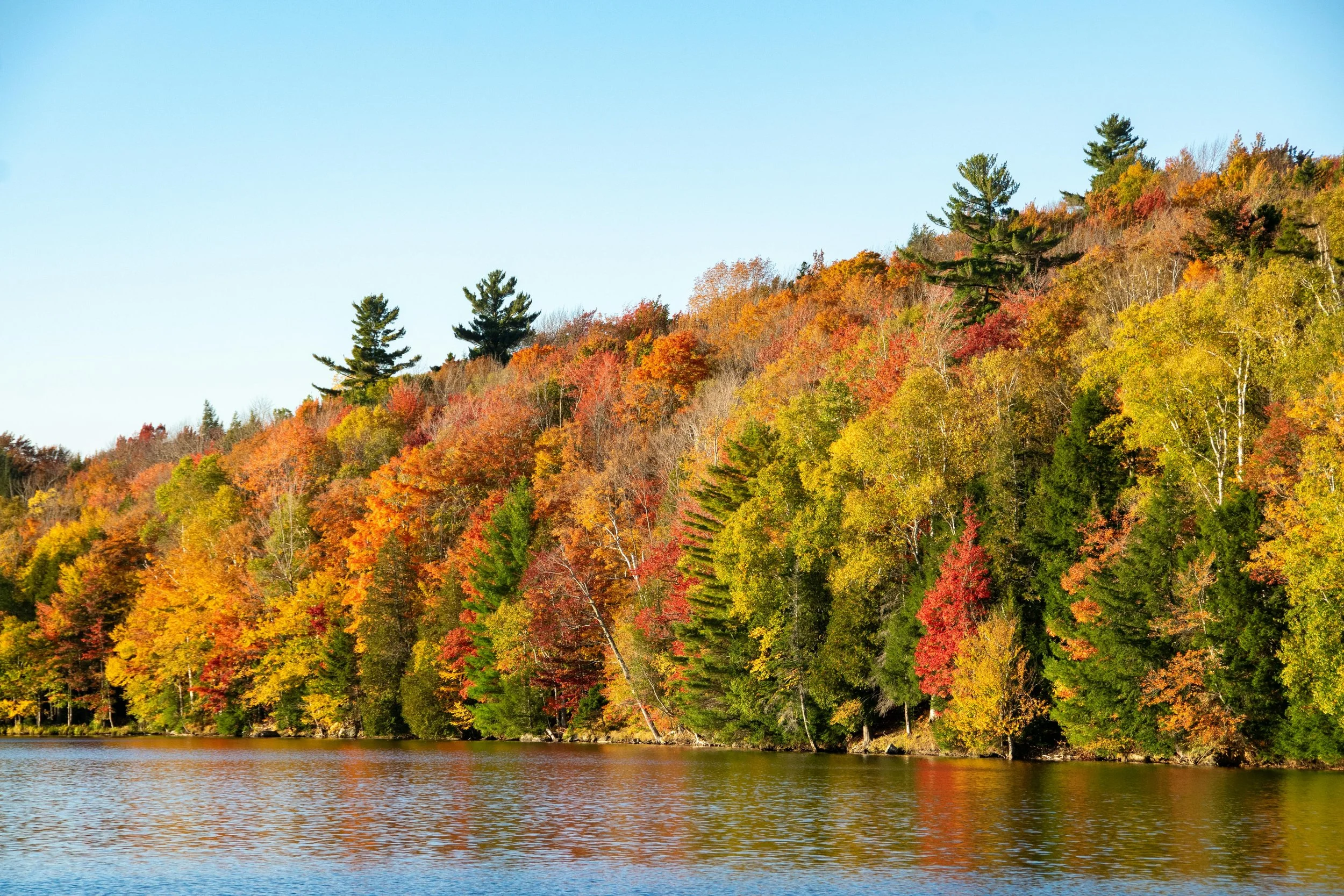
New England is defined by its rocky Atlantic coastline, dotted with harbors, islands, and lighthouses. Inland, rolling hills give way to fertile valleys, forests, and the iconic White and Green Mountains. Rivers such as the Connecticut and Merrimack flow through farmland, while maple-covered woodlands turn vibrant colors in autumn.
The Climate
The climate is marked by four distinct seasons: cold, snowy winters; bright, cool springs; hot, humid summers; and crisp autumns. The growing season is relatively short, making preservation techniques and seasonal eating central to traditional foodways. Winter inspires hearty, warming meals, while summer and fall highlight fresh harvests of fruits, grains, and vegetables.

Traditional Flavors
Flavor Profile
Hearty, simple, rustic, earthy, tangy, seasonal
Culinary Essence
Eating in New England emphasizes practicality, comfort, and connection to the land. Traditional foodways are rooted in Indigenous crops like corn, beans, and squash, later layered with European grains, root vegetables, and preservation methods. Meals are often hearty and grain-centered, with simple seasonings that highlight the freshness of seasonal produce.
Seasonal Notes
Spring brings maple syrup, fresh greens, and early root vegetables. Summer features corn, beans, cucumbers, and berries, often enjoyed fresh or lightly cooked. Fall harvests include apples, pumpkins, and winter squash, preserved through drying or cellaring. Winter leans on stored root vegetables, legumes, and grains, creating warming stews, breads, and porridges.

Kitchen Inspiration
Here’s how ingredients, cooking styles, and classic dishes connect in this cuisine.
Flavor Combo Ideas
Cornmeal + beans + herbs
Potatoes + cabbage + parsley
Apples + oats + cinnamon
Maple syrup + pumpkin + nutmeg
Cooking Methods
Boiling/Simmering – soups, chowder-style stews, and bean dishes.
Baking – breads, porridges, and casseroles using local grains.
Roasting – root vegetables and squash, deepened with earthy flavors.
Steaming – simple preparation for greens and seasonal vegetables.
Dish References
Cornbread with maple syrup glaze
Roasted root vegetables with herbs
Apple and cabbage slaw with vinegar
Oat and barley porridge with fruit
Signature Ingredients
Here are the plant-based ingredients that define this sub-region. Click to explore each category below.
-
Beans & Lentils
Navy beans
Kidney beans
Cranberry beans
Lentils
Yellow split peas
Soy Products
Tofu (used as a stand-in for fish or egg-based dishes, such as chowders or baked casseroles)
Tempeh (marinated with maple and herbs for hearty skillet meals)
-
Whole Grains
Oats
Barley
Rye
Corn
Grain Products
Cornmeal (used for porridges and baked preparations)
Brown bread (rye- and corn-based loaves)
-
Starchy Vegetables
Potatoes
Sweet potatoes
Winter squash
Corn
Parsnips
Non-Starchy Vegetables
Cabbage
Carrots
Onions
Beets
Celery
Turnips
Leafy Greens
Spinach
Kale
Lettuce
Chard
Collard greens
-
Whole Foods
Walnuts
Pumpkin seeds
Sunflower seeds
Plant Oils
Neutral plant oils
Plant-oil butter (stand-in for traditional butter)
-
Herbs
Parsley
Thyme
Sage
Bay leaf
Rosemary
Dill
Spices
Black pepper
Mustard seed
Allspice
Cloves
Cinnamon
Nutmeg
Ginger
-
Condiments & Flavorings
Mustard
Molasses
Maple syrup
Acids & Brighteners
Vinegars (apple cider, malt)
Pickled vegetables
-
Apples
Pears
Berries (blueberries, cranberries, strawberries, raspberries)
Grapes