
New to the Global Flavor Atlas?
Check out From Map to Meal to learn how to turn these ingredient guides into delicious, globally inspired dishes!
Sub-Saharan Africa
Southern Africa

Regional Overview
The Area
Southern Africa includes countries such as South Africa, Namibia, Botswana, Zimbabwe, Lesotho, Eswatini, and Mozambique, with cultural overlap reaching into Zambia, Malawi, and Angola. It is a region shaped by diverse landscapes, indigenous traditions, and centuries of blending African, European, and Indian Ocean influences.
The Landscape
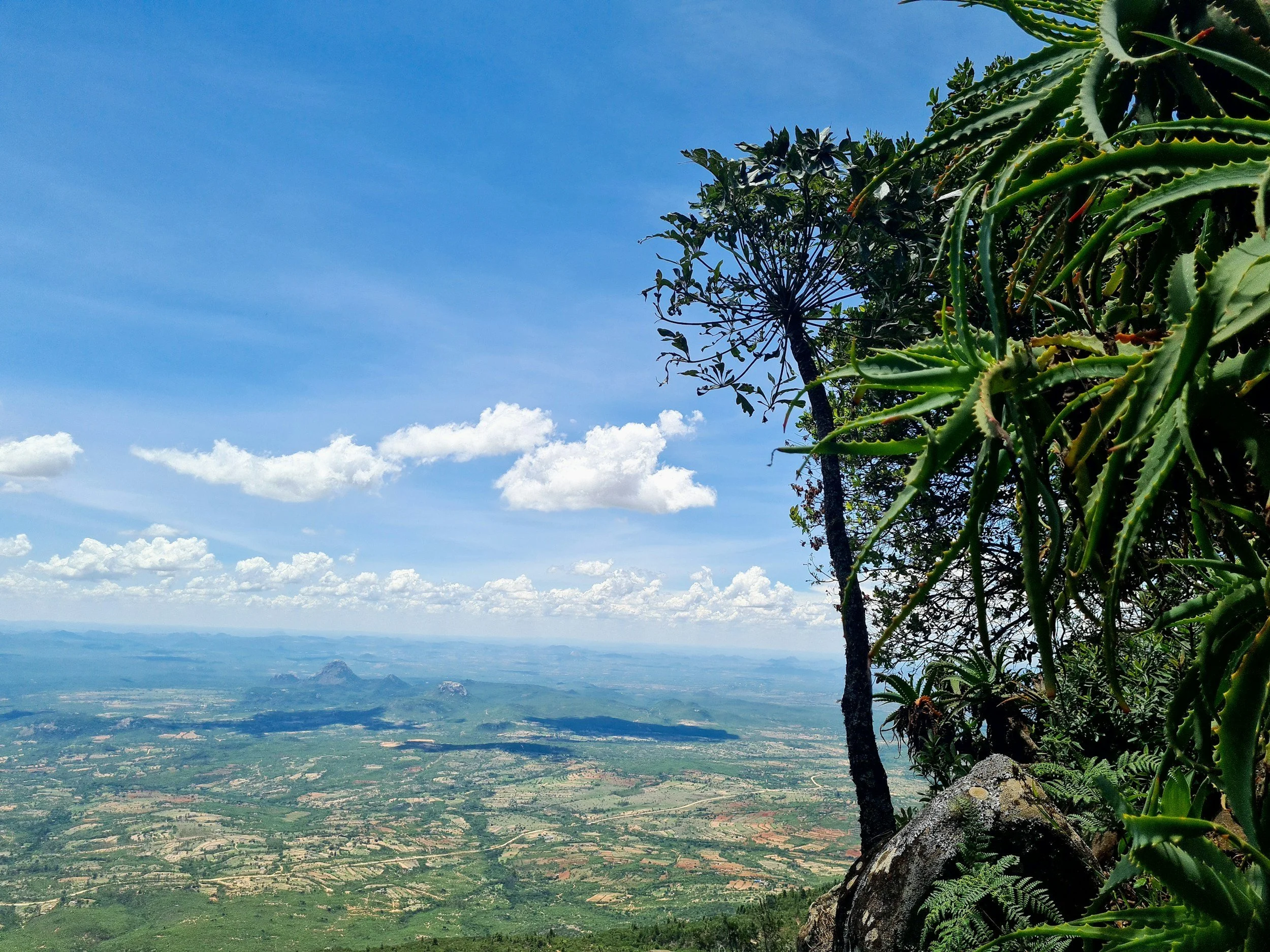
The land ranges from sweeping deserts like the Namib and Kalahari, to fertile river valleys such as the Limpopo and Zambezi. Vast savannas and grasslands dominate, while dramatic mountain ranges like the Drakensberg rise in the east. Long stretches of coastline on both the Atlantic and Indian Oceans bring fishing villages, sandy beaches, and subtropical lowlands.
The Climate
Southern Africa’s climate varies from arid deserts to temperate highlands and humid coasts. Most of the region experiences a distinct rainy season in summer and a dry, cooler winter. Coastal Mozambique and KwaZulu-Natal are tropical, while inland plateaus bring milder temperatures. Seasonal changes shape farming, with maize, sorghum, and beans central to survival during dry spells.
Traditional Flavors
Flavor Profile
Smoky, earthy, tangy, hearty, spiced, nutty
Culinary Essence
Southern African cuisine is filling, rustic, and centered around staple grains, legumes, and vegetables cooked into porridges, stews, and relishes. Meals often feature one main grain base (maize or sorghum) served with flavorful sides of beans, greens, or pumpkin. Spice blends like peri-peri add heat, while peanuts, tomatoes, and onions build depth. Communal eating is common, reflecting the balance between sustenance and hospitality.
Seasonal Notes
Summer rains bring fresh maize, pumpkins, squashes, and wild greens, forming lighter, vegetable-rich meals. Winter emphasizes dried maize, beans, and stored staples, transformed into warming porridges and stews. Fruits like mangoes, guavas, and papayas thrive in the warmer months, while root crops and pulses sustain households during drier times.

Kitchen Inspiration
Here’s how ingredients, cooking styles, and classic dishes connect in this cuisine.
Flavor Combo Ideas
Maize (corn) + beans + pumpkin
Tomato + onion + chili
Peanut + spinach + sweet potato
Peri-peri chili + citrus + garlic
Cooking Methods
Stewing – beans, pumpkin, or greens simmered in tomatoes and spices
Boiling/steaming – maize meal (pap, sadza, nshima) cooked into porridges
Grilling/roasting – vegetables over open fire for smoky depth
Braising – leafy greens or cabbage with onions and peanuts
Dish References
Pap with tomato-and-onion relish (chakalaka)
Pumpkin and bean stew (isitambu)
Peanut and spinach stew (morogo with peanuts)
Samp and beans (maize + beans, slow-cooked)
Vegetable curry (influenced by Indian Ocean trade)
Signature Ingredients
Here are the plant-based ingredients that define this sub-region. Click to explore each category below.
-
Beans & Lentils
Black-eyed peas
Brown beans
Chickpeas (coastal and Indian-influenced regions)
Soy Products
Tofu (stand-in for paneer or eggs in Durban-influenced curries, or simmered in tomato-onion relishes)
Tempeh (substitute for meat in stews or marinated and grilled peri-peri style)
-
Whole Grains
Sorghum
Millet
Rice (coastal regions)
Wheat
Grain Products
Maize meal for porridge-style dishes (pap, sadza, nshima)
Rotis/chapatis (Durban/Indian-influenced areas)
-
Starchy Vegetables
Pumpkin
Sweet potatoes
Cassava
White potatoes
Butternut squash
Non-Starchy Vegetables
Tomatoes
Onions
Garlic
Cabbage
Carrots
Peppers (mild and hot)
Leafy Greens
Spinach
Mustard greens
Cabbage leaves
-
Whole Foods
Peanuts (groundnuts)
Sunflower seeds
Avocado
Pumpkin seeds
Plant Oils
Peanut oil
Sunflower oil
Plant-oil butter (stand-in for traditional dairy butter)
-
Herbs
Cilantro (coastal/Indian influence)
Parsley
Bay leaf
Thyme
Curry leaves (regional to South African–Indian cuisine)
Spices
Black pepper
Chili powders
Paprika
Ginger
Coriander seed
Cumin (Durban/Indian influence)
Turmeric
Peri-peri blend (chili, citrus, herbs)
Cinnamon
Clove
Nutmeg
Cardamom
-
Condiments & Flavorings
Tomato paste
Peri-peri sauce (chili, citrus, spices)
Roasted red pepper sauces (common in Mozambican peri-peri styles)
Acids & Brighteners
Lemon
Vinegar
Pickled vegetables (carrots, cabbage, peppers)
-
Citrus (oranges, lemons)
Bananas
Mangoes
Papayas
Guavas
Melons (watermelon, cantaloupe)