
New to the Global Flavor Atlas?
Check out From Map to Meal to learn how to turn these ingredient guides into delicious, globally inspired dishes!
United States
Southwestern

Regional Overview
The Area
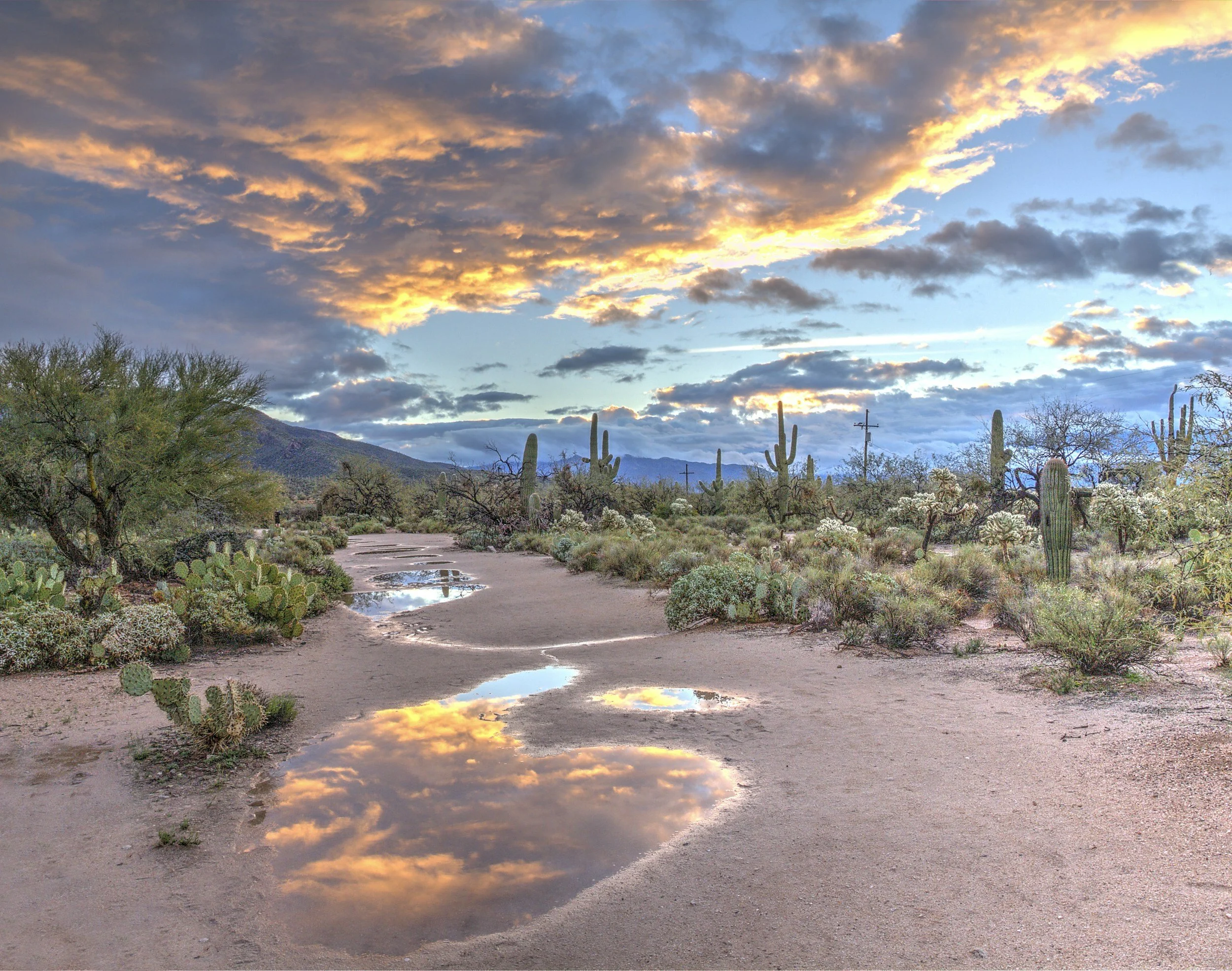
The Southwestern United States includes Arizona, New Mexico, parts of Texas, southern Colorado, Nevada, and Utah. This region reflects a blend of Native American, Mexican, and Spanish influences, deeply tied to its desert and canyon landscapes. Its food traditions grew from Indigenous practices combined with ingredients introduced during colonization and shaped by cross-border exchange.
The Landscape
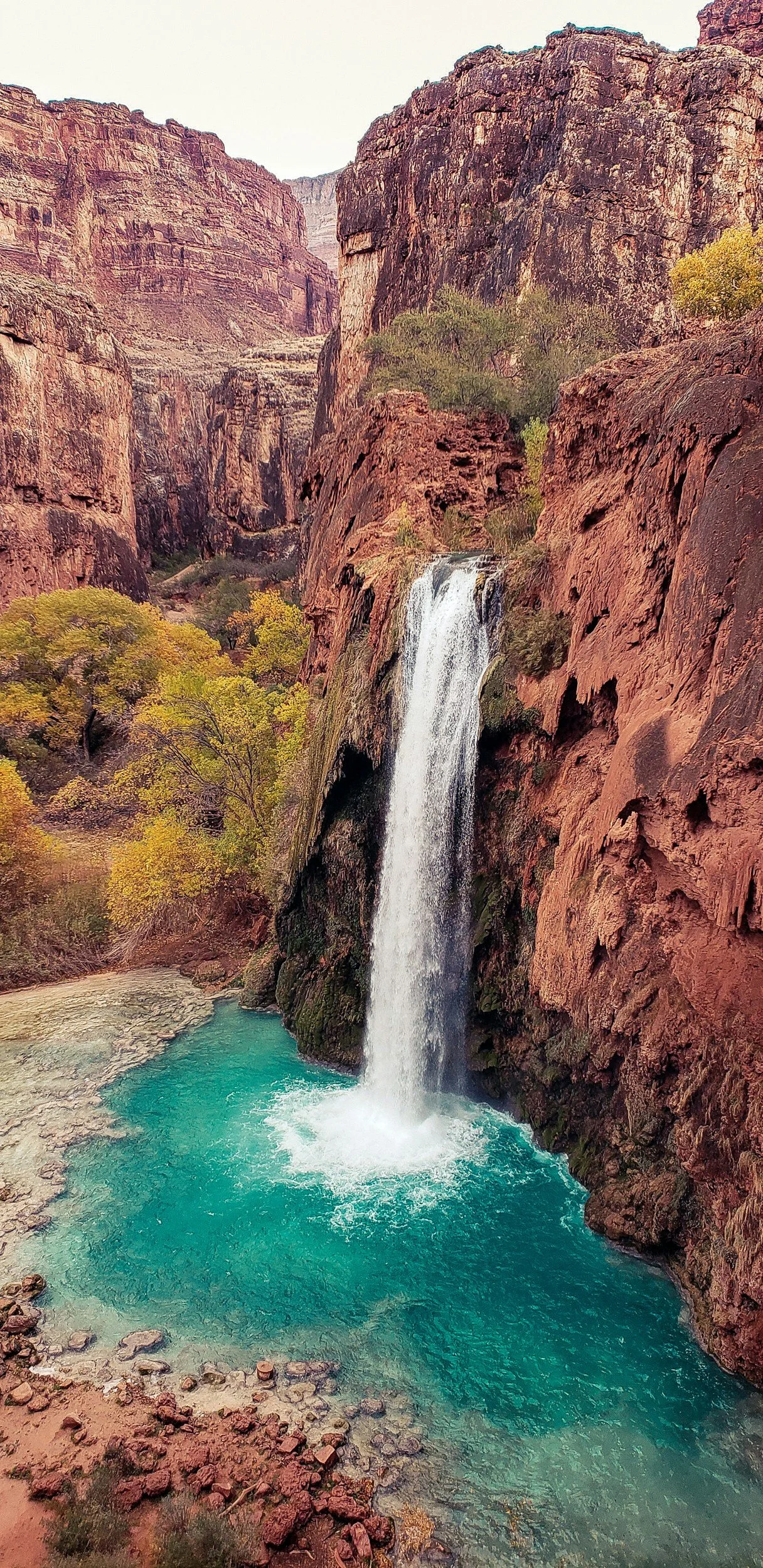
The Southwest is defined by striking deserts, mesas, red rock canyons, and dramatic mountain ranges. The Rio Grande and Colorado River cut through arid expanses, supporting agriculture in otherwise dry terrain. Sagebrush plains, cacti-dotted landscapes, and adobe settlements create a sense of place that is both rugged and colorful.
The Climate
This region experiences hot, dry summers, mild winters, and dramatic seasonal changes in higher elevations. Monsoon rains in late summer bring bursts of life to desert valleys, while cooler mountain climates allow for a wider range of crops. Seasonal abundance often dictates the availability of fresh produce, with hearty dried foods carrying people through leaner months.
Traditional Flavors
Flavor Profile
Earthy, smoky, spicy, roasted, tangy, bold
Culinary Essence
Southwestern cuisine is known for its depth of flavor, built from chilies, corn, beans, and native herbs. Dishes often balance smokiness with tang, layering roasted ingredients with bright sauces or salsas. Corn in many forms- tortillas, masa, hominy- forms the backbone, paired with beans and vegetables for hearty meals. The style emphasizes bold, rustic flavors that highlight the landscape’s natural bounty.
Seasonal Notes
Summers feature fresh vegetables, peppers, and herbs, while cooler months rely more heavily on beans, corn, and dried chilies. The harvest season brings roasted green chile, a hallmark of the region. In higher elevations, heartier grains and warming stews provide sustenance through cooler winters, while desert areas lean on preserved or dried staples year-round.
Kitchen Inspiration
Here’s how ingredients, cooking styles, and classic dishes connect in this cuisine.
Flavor Combo Ideas
Roasted green chile + beans + corn
Squash + black beans + fresh herbs
Tomatoes + onions + chilies
Corn masa + pinto beans + cilantro
Cooking Methods
Roasting – especially chilies, corn, and vegetables for smoky depth.
Stewing/Simmering – slow-cooked beans and chile-based sauces.
Griddling – masa-based breads and tortillas cooked on a hot comal.
Baking – simple breads and casseroles layered with grains and vegetables.
Dish References
Pinto beans and green chile stew
Corn tortillas with sautéed vegetables and salsa
Squash, corn, and chile sauté (calabacitas)
Posole with hominy and red chile
Pinto bean enchiladas with chile sauce
Signature Ingredients
Here are the plant-based ingredients that define this sub-region. Click to explore each category below.
-
Beans & Lentils
Pinto beans
Black beans
Kidney beans
Soy Products
Tofu (marinated with chile rubs and grilled, or crumbled chorizo-style for tacos and bowls)
Tempeh (used in chile stews or crumbled for tacos and skillet dishes)
-
Whole Grains
Rice
Corn
Amaranth
Grain Products
Corn tortillas
Flour tortillas
Masa harina (used for tamales, gorditas, and other masa-based preparations)
-
Starchy Vegetables
Corn
Potatoes
Winter squash (pumpkin, butternut, similar varieties)
Non-Starchy Vegetables
Tomatoes
Onions
Bell peppers
Jalapeños
Green and red chiles
Nopales (cactus paddles)
Leafy Greens
Spinach
Swiss chard
Lettuce (romaine, iceberg)
-
Whole Foods
Avocado
Pumpkin seeds (pepitas)
Sunflower seeds
Plant Oils
Neutral plant oils
Plant-oil butter (stand-in for traditionally used lard)
-
Herbs
Cilantro
Mexican oregano
Parsley
Spices
Black pepper
Cumin
Chili powders and blends
Smoked paprika
Cayenne pepper
Coriander seed
Cinnamon
-
Condiments & Flavorings
Salsas (red and green)
Mole-style chile sauces
Chile pastes (red or green)
Acids & Brighteners
Lime
Vinegar
Pickled jalapeños
-
Citrus (limes, oranges)
Melons (watermelon, cantaloupe)
Grapes
Prickly pear
Stone fruits (apricots, peaches)