
Spices, Staples, & Tools
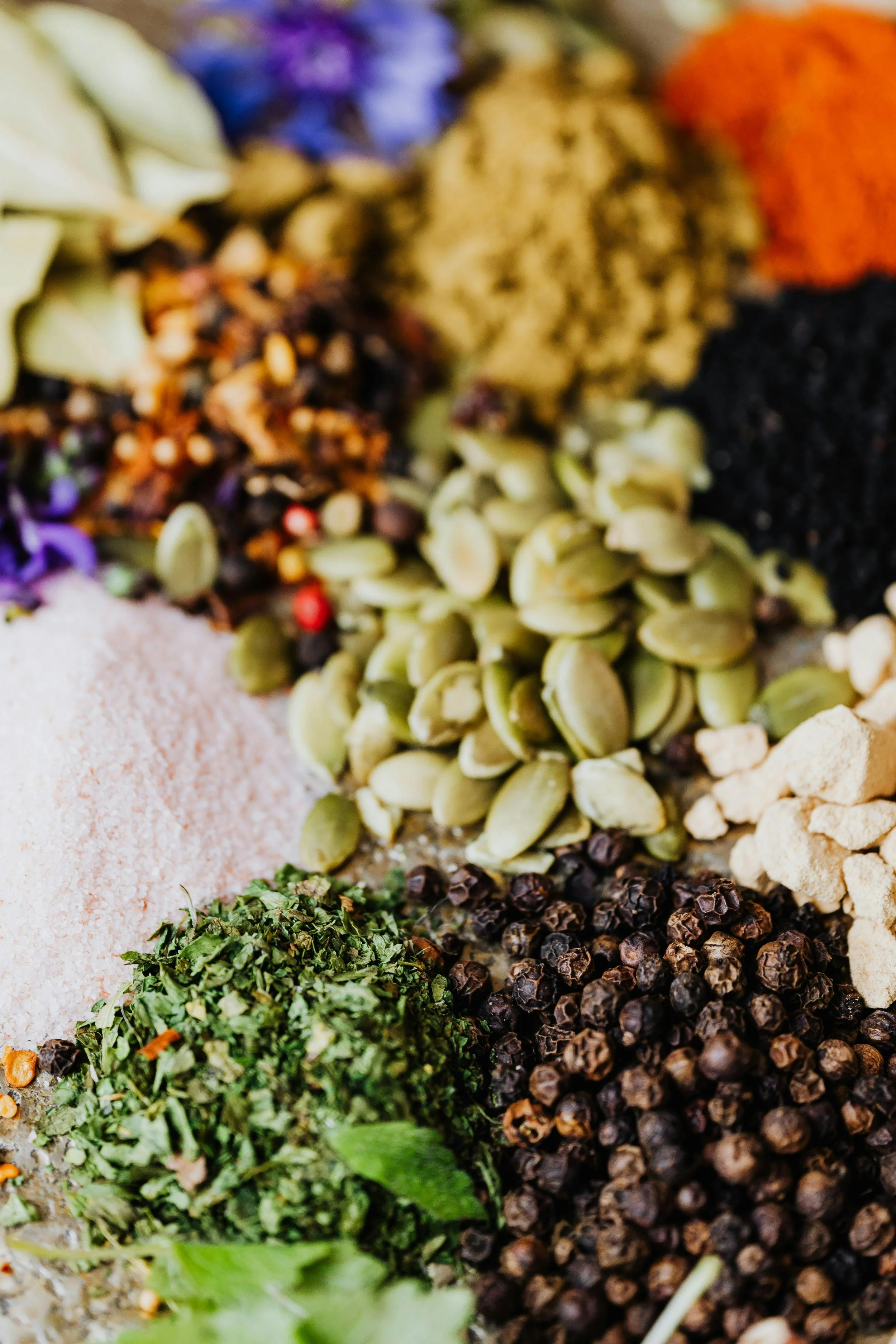
Great cooking doesn't require a pantry packed with specialty ingredients or a kitchen full of expensive gadgets. A handful of versatile spices, a few reliable tools, and knowing where to find quality ingredients can go a long way toward making cooking easier, more enjoyable, and full of flavor. This guide shares some of my favorite essentials to help you build a kitchen that works for you- whether you're just getting started or looking to expand your collection (though if you're anything like me, your spice cabinet may have a mind of its own!).
Spice Smarts
Spices are one of the simplest ways to transform food from plain to memorable- but they can also feel overwhelming.
Start with the Basics: Stock a handful of versatile staples like cumin, paprika, garlic powder, and cinnamon. With these, you can build depth in almost any dish.
Expand by Cuisine: Love Indian food? Add garam masala. Enjoy Middle Eastern? Try za’atar. The key is to grow your spice cabinet gradually based on what you actually cook.
Whole vs. Ground: Whole spices keep flavor longer and taste fresher when ground just before use. Toasting them in a dry pan can unlock even more aroma. Ground spices are faster and easier, but fade more quickly.
Storing Spices: Keep dried spices in airtight jars, away from heat and light. Whole spices last up to 2 years, ground spices about 6–12 months. Fresh herbs last longer when stored properly (tender ones like parsley in water, hardy ones like thyme wrapped in a damp towel).
You don’t need 50 jars to cook well. Knowing how to use 5–10 spices effectively beats owning dozens you never touch, I promise!
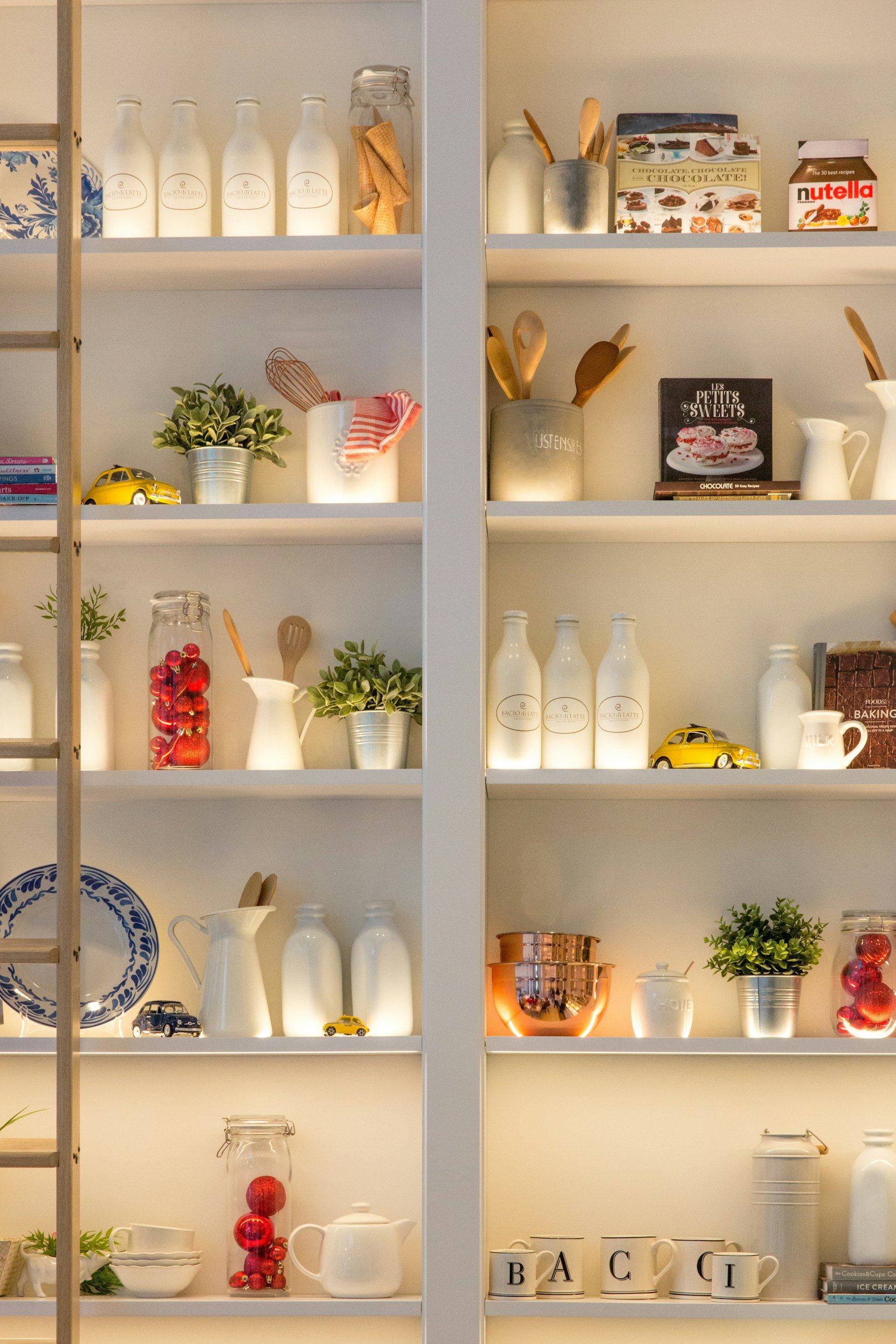
Bringing It All Together
Spices, staples, and tools are the “infrastructure” of your cooking. They don’t just make meals taste better- they make the whole process smoother and more enjoyable. With the right few spices, easy access to ingredients, and tools that support you, cooking becomes less of a hurdle and more of a habit you can sustain.
Remember: You don’t need everything at once. Build your spice shelf one jar at a time, explore global markets when you can, and invest in tools gradually. Each small step makes the kitchen a more inviting place- and keeps you steady on your plan.
Sourcing with Ease
Exploring global flavors doesn’t mean spending hours hunting down rare ingredients. With a little strategy, sourcing becomes simple:
International Markets: Asian, Middle Eastern, Indian, African, and Latin American groceries often carry fresher and more affordable items than big-box stores.
Online Sources: Shops like Penzeys, The Spice House, iHerb, or even Amazon make specialty items easy to access.
Farmers Markets: Great for herbs, seasonal vegetables, heirloom beans, and unique fruits.
Bulk Bins: Perfect for testing small amounts of grains, legumes, or spices without committing to a full package.
Smart Shopping: Start with the basics you’ll use often, then add one new item at a time. Even one authentic element (like miso for Japanese or tamarind for Indian) can capture the spirit of a cuisine without needing a dozen extras.
Essential Kitchen Tools
You don’t need a kitchen full of gadgets to cook well- just a few reliable basics.
Core Tools:
A sharp chef’s knife and sturdy cutting board
Measuring cups/spoons and a kitchen scale (my preferred way to measure ingredients- so much cleaner!)
A medium saucepan for grains/soups and a large skillet or wok for sautés
Mixing bowls and a colander/strainer
A sheet pan for roasting vegetables and tofu
Storage containers (glass with lids is ideal)
Nice-to-Haves:
Mortar & pestle for grinding spices or making pastes
Blender for hummus, sauces, and smoothies
Microplane/zester for citrus, ginger, or nutmeg
Optional Game-Changers:
Instant Pot/pressure cooker → fast beans, grains, curries, soups
Air fryer → crispy veggies, falafel, potatoes in less time
Remember: Good meals don’t come from having the most tools- they come from knowing how to use the tools you do have.