
The Art of Flavor
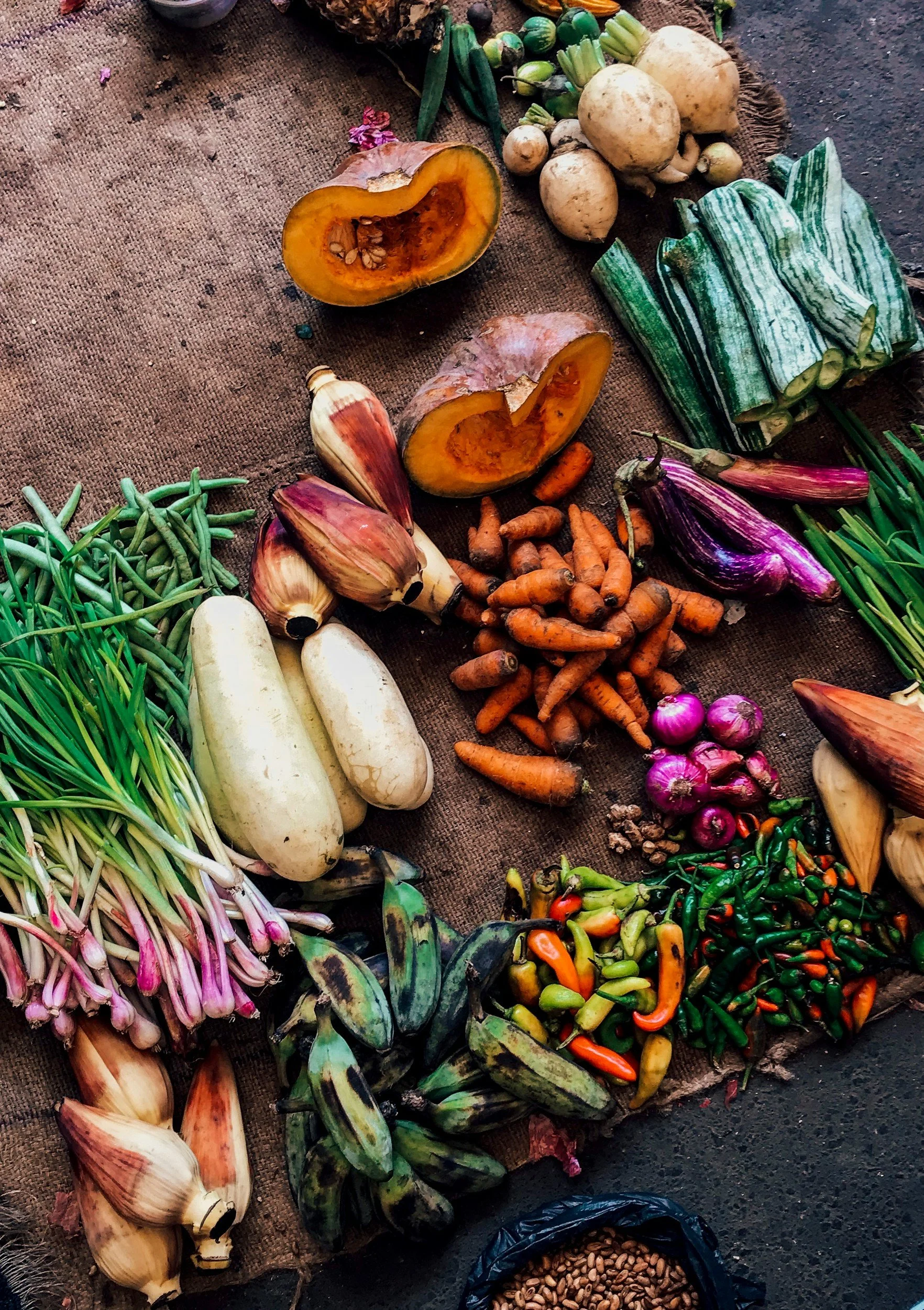
Cooking isn’t just about following steps- it’s about creating harmony on the plate. When you learn how flavors, textures, and temperatures work together, your meals go from “okay” to deeply satisfying. This lesson will give you the tools to balance your meals so they feel complete, even when they’re simple. Think of it as learning the “music theory” of cooking- once you understand the notes, you can play them in countless ways.
The Six Elements of Flavor
Every bite you take contains a mix of flavors. When one element dominates, meals can feel flat. When they’re in balance, they feel full and complete. Here are the five essentials:
Savory (Umami): beans, mushrooms, miso, soy sauce- the depth that anchors a dish.
Sweet: carrots, corn, roasted onions, squash, or fruit- balances sharpness and softens bitterness.
Sour: citrus, vinegar, tamarind- brightens and cuts through heaviness.
Bitter: dark greens, herbs like parsley or arugula- adds complexity and contrast.
Salty: sea salt, olives, pickles, soy sauce- sharpens and enhances every other flavor.
Spicy: chili flakes, hot sauce, ginger, black pepper- adds excitement, intensity, and a lingering kick.
You don’t need to layer all six in every meal. But having at least two or three makes your food more satisfying. Most people have an ideal ratio of these flavors, even if they don’t realize it. That’s why some meals feel instantly satisfying while others leave you wanting “something else.” When your plate leans too far one way, it can feel incomplete- but when the elements are in balance, it just hits right.
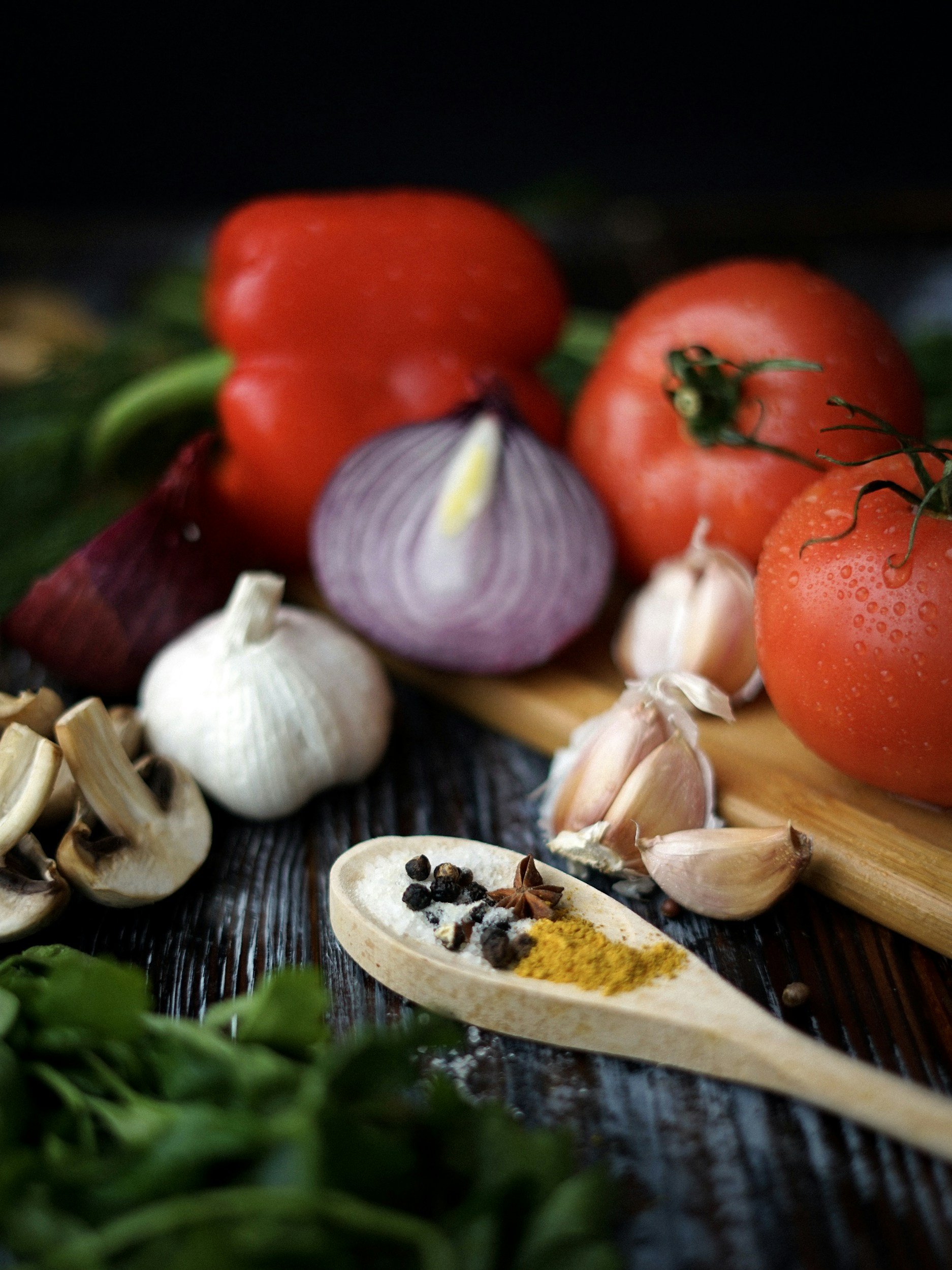
Texture Contrast
Meals aren’t just about taste- they’re also about feel. Adding contrasting textures keeps your plate interesting:
Creamy + Crunchy → hummus with crisp cucumbers
Tender + Chewy → roasted sweet potato with farro
Light + Hearty → leafy greens with lentils or beans
Aim to include at least two textures in a meal so every bite feels complete.
Temperature Contrast
Another overlooked detail is temperature. Pairing warm and cool elements wakes up your palate:
Warm + Cool → rice with fresh salsa
Hot + Room-Temp → roasted veggies with tahini drizzle
Chilled + Fresh → cold noodle salad with crunchy raw vegetables
Even something as simple as adding a crisp salad next to a hot stew can make the whole meal feel more dynamic.
How to Layer Flavor
The way you cook ingredients affects how flavors develop. Here’s a simple order that works across cuisines:
Aromatics → onions, garlic, ginger, celery, carrots- build your base flavor.
Dry spices → bloom them briefly in the pan to unlock aroma and depth, with or without oil.
Liquids & acids → tomato paste, broth, vinegar, citrus juice- add richness and brightness.
Fresh herbs & delicate spices → add at the end to preserve color, freshness, and fragrance.
This layering method helps simple ingredients taste like they’ve been simmering all day.
Balancing Taste When Things Go Wrong
Even the best cooks sometimes overshoot a flavor. Here’s how to bring balance back without starting over:
Too salty → Add acid (lemon, vinegar) or a starchy element like potato or rice.
Too bitter → Offset with natural sweetness from carrot, corn, or fruit.
Too bland → Try a splash of acid, a small pinch of salt, or a fresh herb. Sometimes all three.
Too spicy → Stir in something creamy (tahini, coconut milk, cashew cream) or serve with a plain grain to calm the heat.
Confidence Comes from Balance
When you understand flavor, texture, and temperature, your meals stop feeling repetitive- even if you’re eating the same “categories of foods day after day. Balance is what makes the difference between a meal that feels “fine” and one that feels satisfying and complete. Once you know how to balance flavor, texture, and temperature, you’ll never feel like you’re just eating the “same thing” again.