
New to the Global Flavor Atlas?
Check out From Map to Meal to learn how to turn these ingredient guides into delicious, globally inspired dishes!
Northern & Eastern Europe
The Balkans
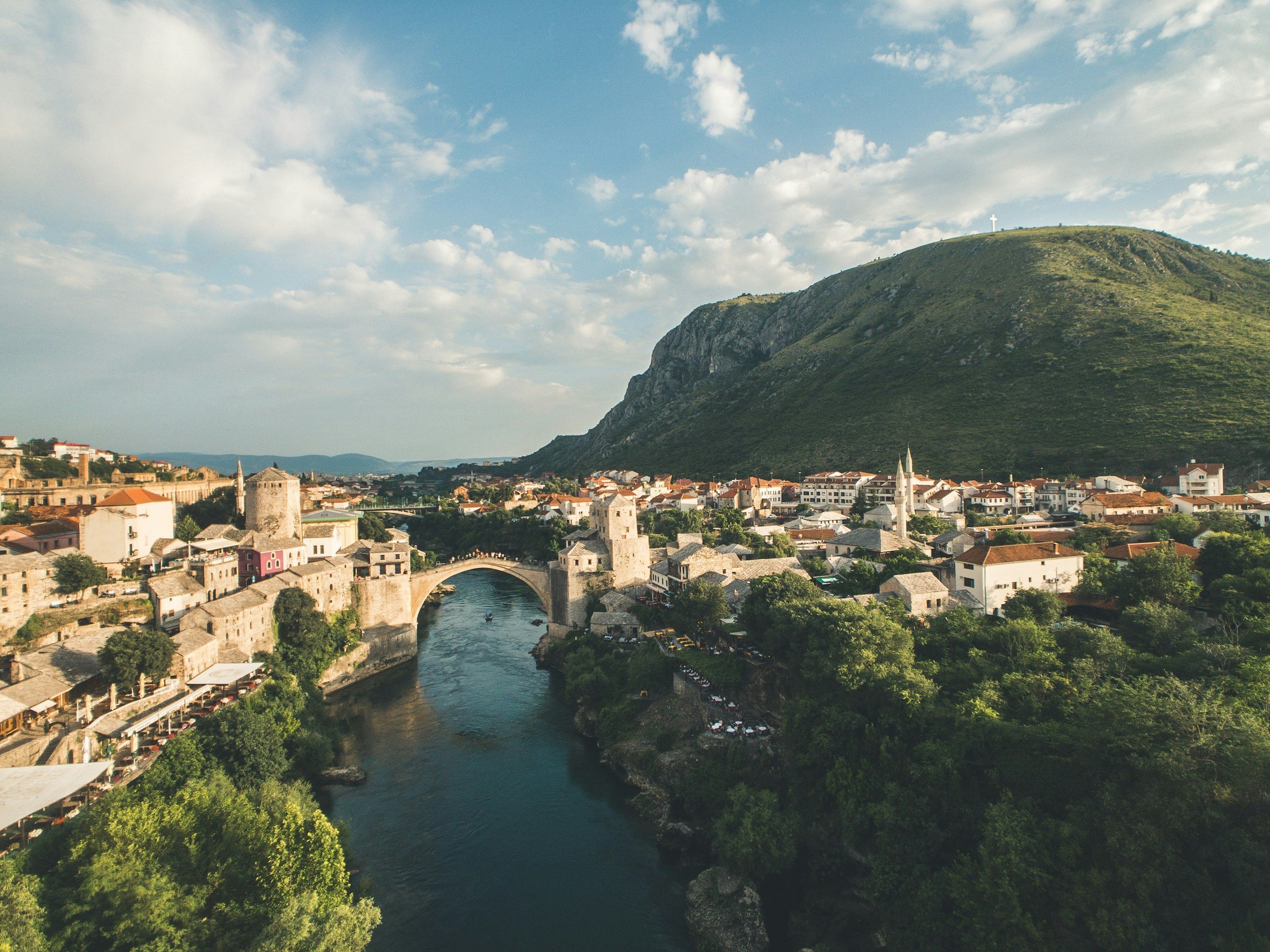
Regional Overview
The Area
The Balkans encompass Albania, Bosnia and Herzegovina, Bulgaria, Croatia, Kosovo, Montenegro, North Macedonia, Romania, and Serbia, with parts of Greece, Slovenia, and Turkey also often included. This southeastern European region has long been a meeting point of cultures, languages, and empires, giving it a complex and diverse identity.
The Landscape
The terrain is rugged and varied, dominated by the Dinaric Alps, Balkan Mountains, and Carpathians, with fertile valleys and wide plains in between. Major rivers like the Danube, Sava, and Morava wind through the land, connecting it to the rest of Europe. The Adriatic and Black Sea coastlines offer dramatic cliffs, secluded beaches, and historic port cities, while inland regions are dotted with forests, high plateaus, and rolling farmland.
The Climate
The Balkans straddle both continental and Mediterranean zones, creating sharp contrasts between regions. Coastal areas enjoy hot, dry summers and mild winters, while inland areas experience colder winters with snow and hotter, humid summers. Mountain zones bring cooler air and heavy snowfall, shaping patterns of settlement and daily life. Seasonal extremes influence everything from agriculture to architecture, with traditions adapted to both abundance and scarcity.
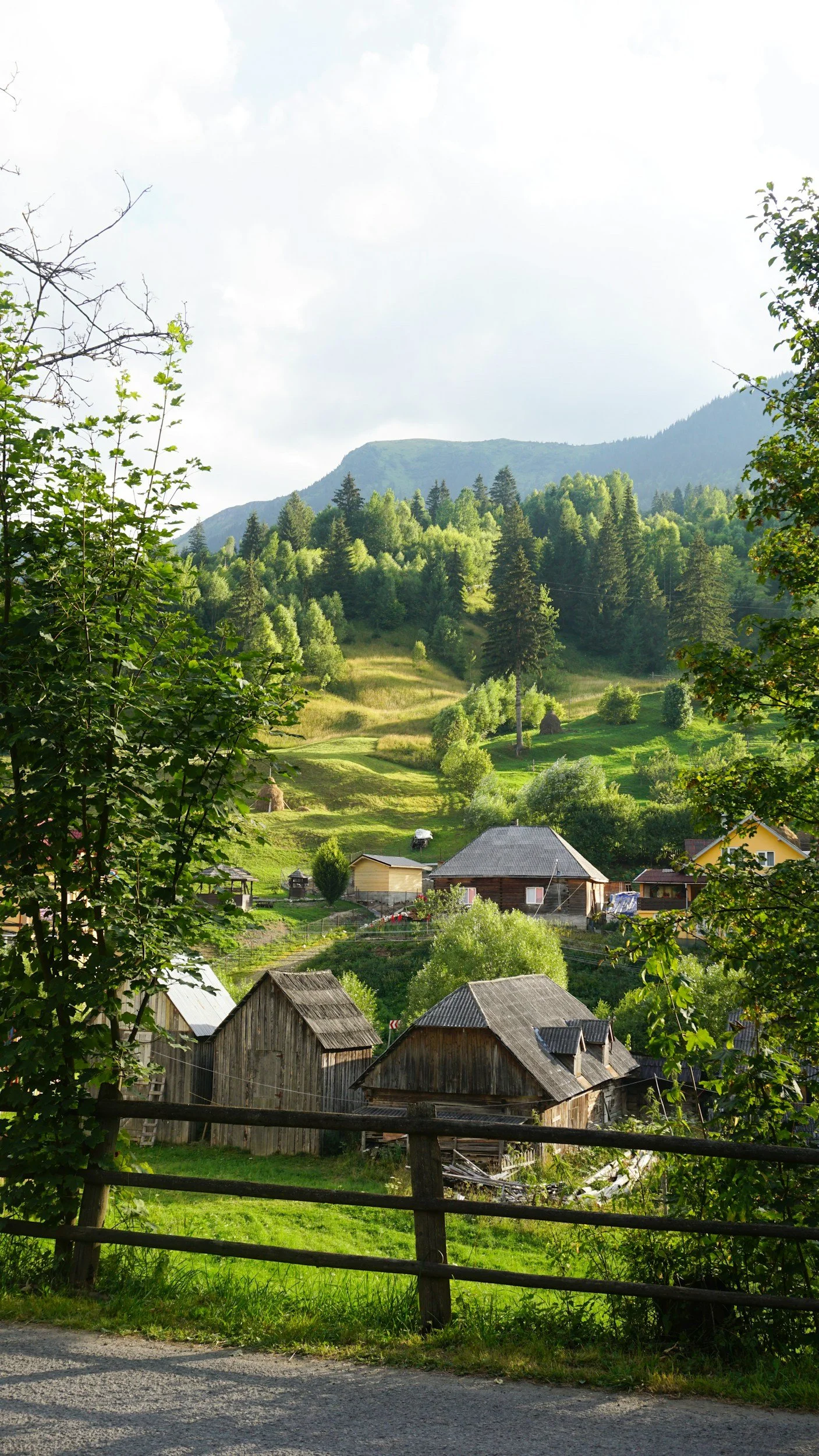
Traditional Flavors
Flavor Profile
Smoky, tangy, herbal, savory, earthy, bright
Culinary Essence
Balkan cuisine is bold and rustic, marked by its love of grilled, roasted, and stewed foods layered with herbs and spices. Meals are communal and generous, often centered on breads, legumes, and seasonal vegetables. Pickling and fermenting are widespread, bringing tang and depth to the table, while fresh herbs brighten hearty foundations. The flavors reflect a blend of Mediterranean freshness and Slavic heartiness.
Seasonal Notes
Winter emphasizes beans, cabbage, potatoes, and preserved vegetables, often simmered into stews. Spring brings fresh greens and wild herbs, while summer bursts with tomatoes, peppers, cucumbers, and eggplant. Autumn highlights grapes, plums, apples, and mushrooms, with a return to robust, warming dishes as the weather cools.

Kitchen Inspiration
Here’s how ingredients, cooking styles, and classic dishes connect in this cuisine.
Flavor Combo Ideas
Tomato + onion + paprika
Cabbage + dill + vinegar
White beans + garlic + bay leaf
Eggplant + pepper + parsley
Cooking Methods
Stewing and simmering – hearty bean and vegetable dishes cooked slowly.
Grilling and roasting – vegetables charred or fire-roasted for smoky depth.
Pickling and fermenting – cabbage, peppers, and cucumbers preserved for year-round use.
Dish References
Bean stew (gravče na tavče, North Macedonia)
Stuffed peppers (punjene paprike) with rice and vegetables
Cabbage rolls (sarma), filled with grains and lentils
Shopska salad (tomato, cucumber, onion, pepper, herbs)
Ajvar (roasted red pepper and eggplant spread)
Signature Ingredients
Here are the plant-based ingredients that define this sub-region. Click to explore each category below.
-
Beans & Lentils
White beans
Lentils (brown, green)
Lima beans
Chickpeas
Soy Products
Tofu (can replace cheese or eggs in stuffed peppers, casseroles, or savory pies)
Tempeh (a stand-in for grilled or stewed meats in hearty meals)
-
Whole Grains
Wheat berries
Barley
Grain Products
Flatbreads (pita-style, lepinja)
Wheat breads (rustic loaves)
Cornmeal porridges/cakes
-
Starchy Vegetables
Potatoes
Non-Starchy Vegetables
Tomatoes
Bell peppers (fresh and roasted)
Cucumbers
Zucchini
Eggplant
Cabbage (white and red)
Onions
Garlic
Carrots
Mushrooms (button, porcini, chanterelle)
Hot peppers (mild to hot varieties used widely)
Leafy Greens
Spinach
Chard
Sorrel
-
Whole Foods
Walnuts
Almonds
Pistachios
Hazelnuts
Pumpkin seeds (hugely traditional in the region)
Plant Oils
Sunflower oil (most traditional inland)
Olive oil (especially along coastal areas)
Plant-oil butter (used as a stand-in for dairy butter)
-
Herbs
Dill
Parsley
Mint
Oregano
Summer savory (very traditional herb in Balkan cooking)
Spices
Black pepper
Paprika (sweet, hot, and smoked)
Garlic powder
Crushed red pepper
Allspice
Cinnamon
Cloves
Nutmeg
-
Condiments & Flavorings
Ajvar (roasted red pepper–eggplant spread)
Pickled peppers
Sauerkraut
Tomato paste
Fermented vegetable relishes (e.g., traditional cabbage or pepper relishes)
Acids & Brighteners
Vinegars (wine, apple cider)
Lemon
-
Apples
Pears
Berries (strawberries, raspberries, blackberries, blueberries)
Stone fruit (plums, cherries, apricots, peaches)
Grapes
Melons (watermelon, cantaloupe)
Figs
Dried fruits (apricots, raisins)