
New to the Global Flavor Atlas?
Check out From Map to Meal to learn how to turn these ingredient guides into delicious, globally inspired dishes!
Middle East & Northern Africa
The Levant
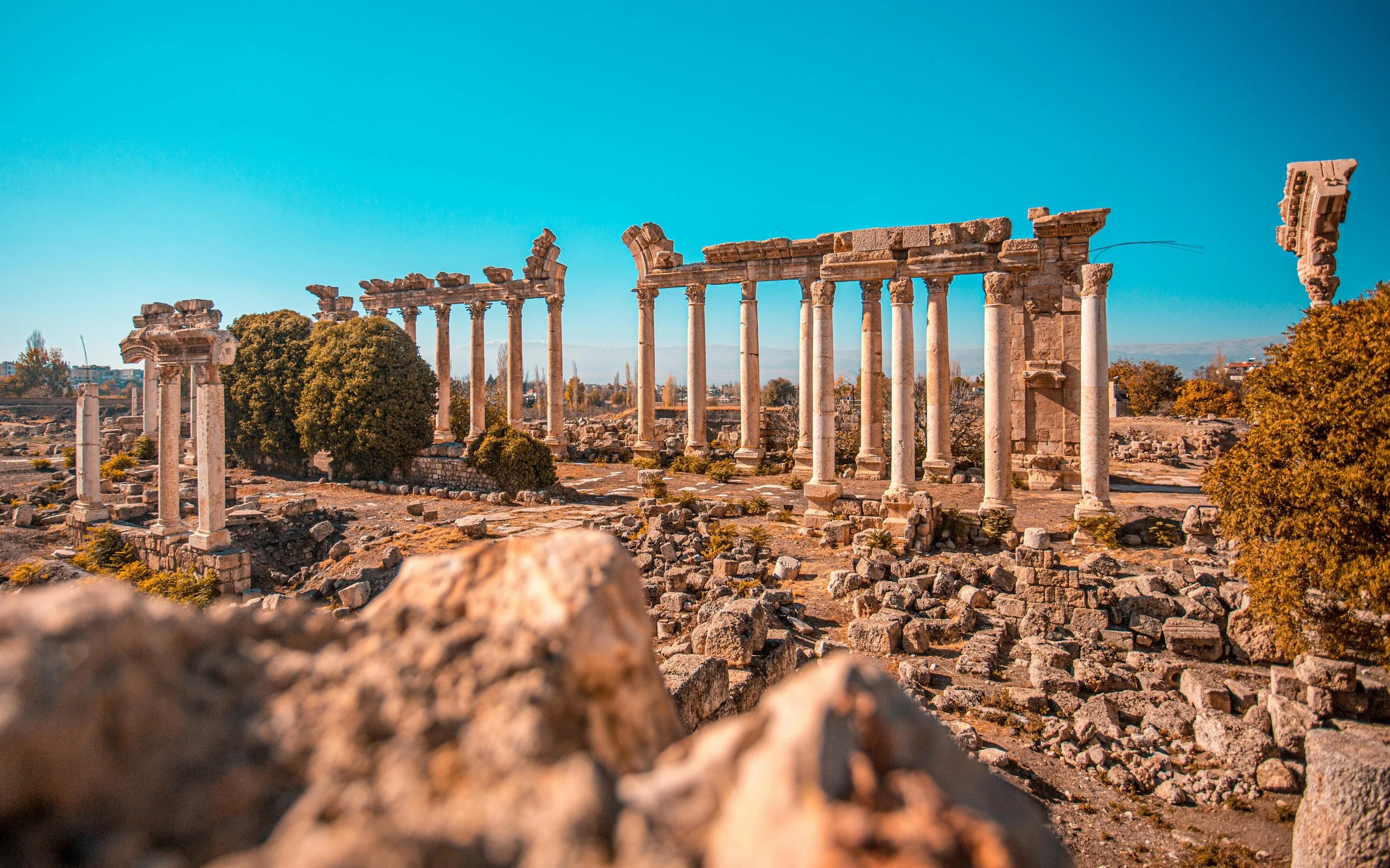
Regional Overview
The Area
The Levant encompasses modern-day Lebanon, Syria, Jordan, Palestine, and Israel, with cultural influence stretching into Cyprus and parts of southern Turkey. This region, long a crossroads of trade and migration, has a layered history reflected in its traditions, architecture, and culture.
The Landscape
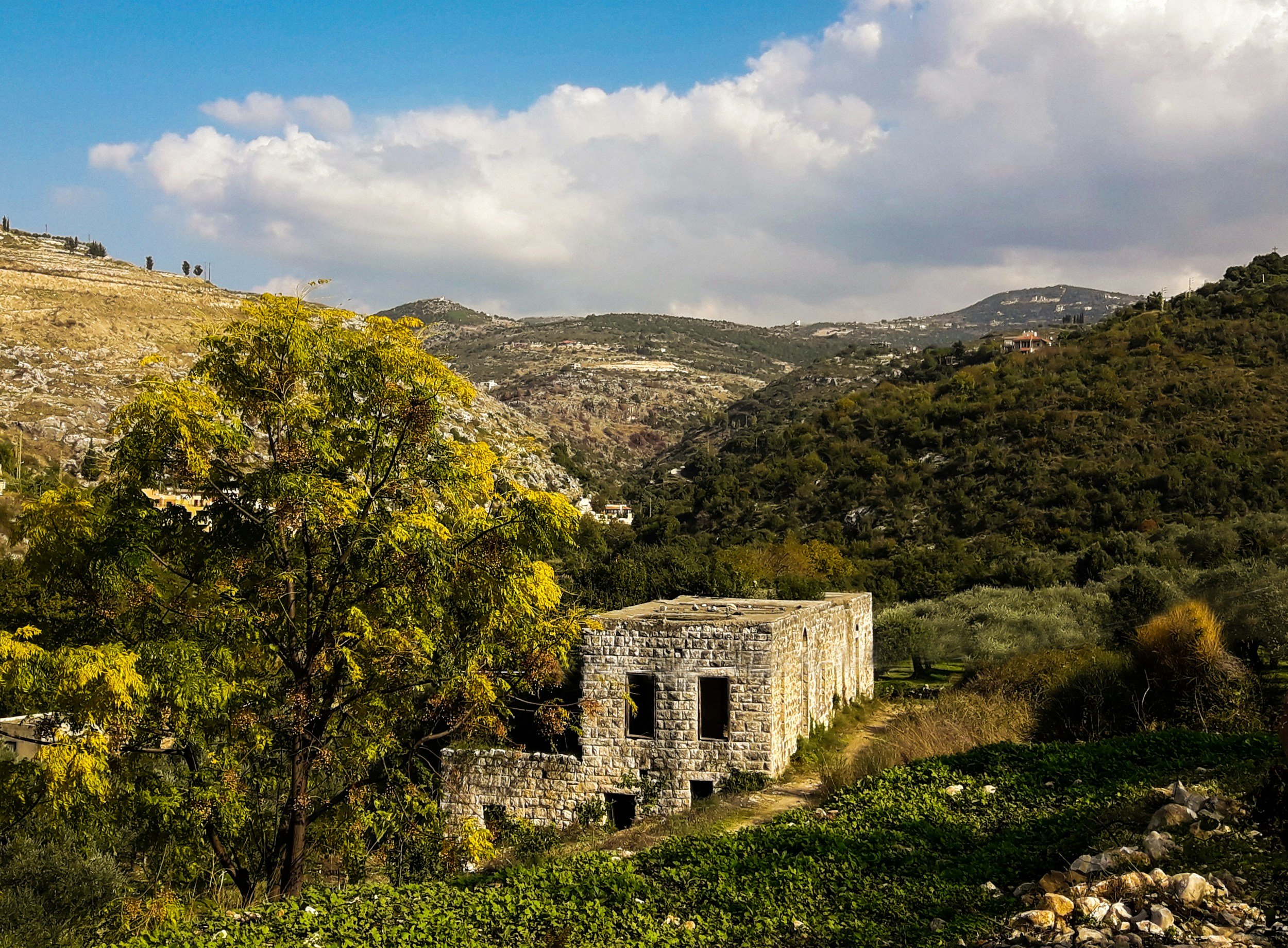
The geography is diverse: coastal plains along the Mediterranean give way to fertile valleys, rolling hills, and rugged mountains. The Jordan River and the Dead Sea are defining features, while inland deserts stretch toward Arabia. Olive groves, cedar forests, and limestone cliffs shape much of the land, and the Mediterranean Sea ties the region together with a shared coastline.
The Climate
The Levant has a Mediterranean climate along the coast, with hot, dry summers and mild, rainy winters. Inland, the climate becomes more arid, with hotter summers and colder winters. These contrasts shape settlement and agriculture- coastal areas thrive on year-round crops, while inland regions rely on hearty staples and preserved foods.

Traditional Flavors
Flavor Profile
Fresh, tangy, herbal, nutty, spiced, earthy
Culinary Essence
Levantine cuisine is generous, aromatic, and centered around shared meals. Vegetables, legumes, and grains are paired with olive oil, lemon, tahini, and warm spices like cumin and cinnamon. Dishes often balance freshness with depth- combining raw salads, pickled vegetables, grilled or braised mains, and spreads like hummus or baba ghanoush. The style emphasizes hospitality and variety, with multiple small plates creating abundance.
Seasonal Notes
Winter emphasizes lentil stews, bulgur dishes, and root vegetables. Spring brings fresh herbs, peas, and wild greens, often folded into pastries or pilafs. Summer overflows with cucumbers, tomatoes, eggplants, peppers, and melons, enjoyed fresh or grilled. Autumn highlights grapes, figs, and pomegranates, along with preserved foods that sustain through winter.
Kitchen Inspiration
Here’s how ingredients, cooking styles, and classic dishes connect in this cuisine.
Flavor Combo Ideas
Chickpeas + tahini + lemon
Tomato + onion + parsley
Eggplant + garlic + olive oil
Pomegranate + walnut + sumac
Cooking Methods
Grilling and roasting – vegetables charred or smoked for depth
Stewing – lentils, beans, and vegetables simmered with spices
Baking – flatbreads and layered vegetable dishes
Braising – greens, beans, and stuffed vegetables in olive oil
Dish References
Hummus (chickpea + tahini spread)
Lentil soup (shorbat adas)
Stuffed grape leaves (warak enab)
Roasted eggplant dip (babagannuş)
Herb and bulgur salad (Tabbouleh)
Signature Ingredients
Here are the plant-based ingredients that define this sub-region. Click to explore each category below.
-
Beans & Lentils
Garbanzo beans
Lentils (red, brown)
White beans
Soy Products
Tofu (stand-in for cheese in salads or as protein in stuffed vegetable dishes)
Tempeh (substitute for grilled or braised meats in kebab-style or stew preparations)
-
Whole Grains
Bulgur (cracked wheat)
Rice (medium-grain for pilafs)
Barley
Freekeh
Grain Products
Pita bread
Flatbreads (lavash, markouk)
-
Starchy Vegetables
Potatoes
Sweet potatoes
Non-Starchy Vegetables
Tomatoes
Cucumbers
Eggplant
Zucchini
Onions
Garlic
Carrots
Bell peppers
Okra
Turnips
Radishes
Leafy Greens
Spinach
Chard
Grape leaves (for stuffing)
-
Whole Foods
Olives
Walnuts
Almonds
Pine nuts
Sesame seeds
Pistachios
Plant Oils
Olive oil
Plant-oil butter (stand-in for dairy butter where used)
-
Herbs
Parsley
Mint
Dill
Thyme
Oregano
Cilantro
Spices
Black pepper
Cumin
Sumac
Za’atar (thyme or oregano, sesame seeds, sumac)
Allspice
Cinnamon
Nutmeg
Clove
Cardamom
-
Condiments & Flavorings
Tahini
Tomato paste
Roasted red peppers
Pickled vegetables (turnips, cucumbers)
Acids & Brighteners
Pomegranate molasses
Lemon
Vinegars (wine, apple)
-
Grapes
Pomegranates
Citrus (oranges, lemons)
Stone fruits (apricots, cherries, plums, peaches, nectarines)
Figs
Melons (watermelon, cantaloupe)
Apples
Pears