
Variety is the Spice of Health
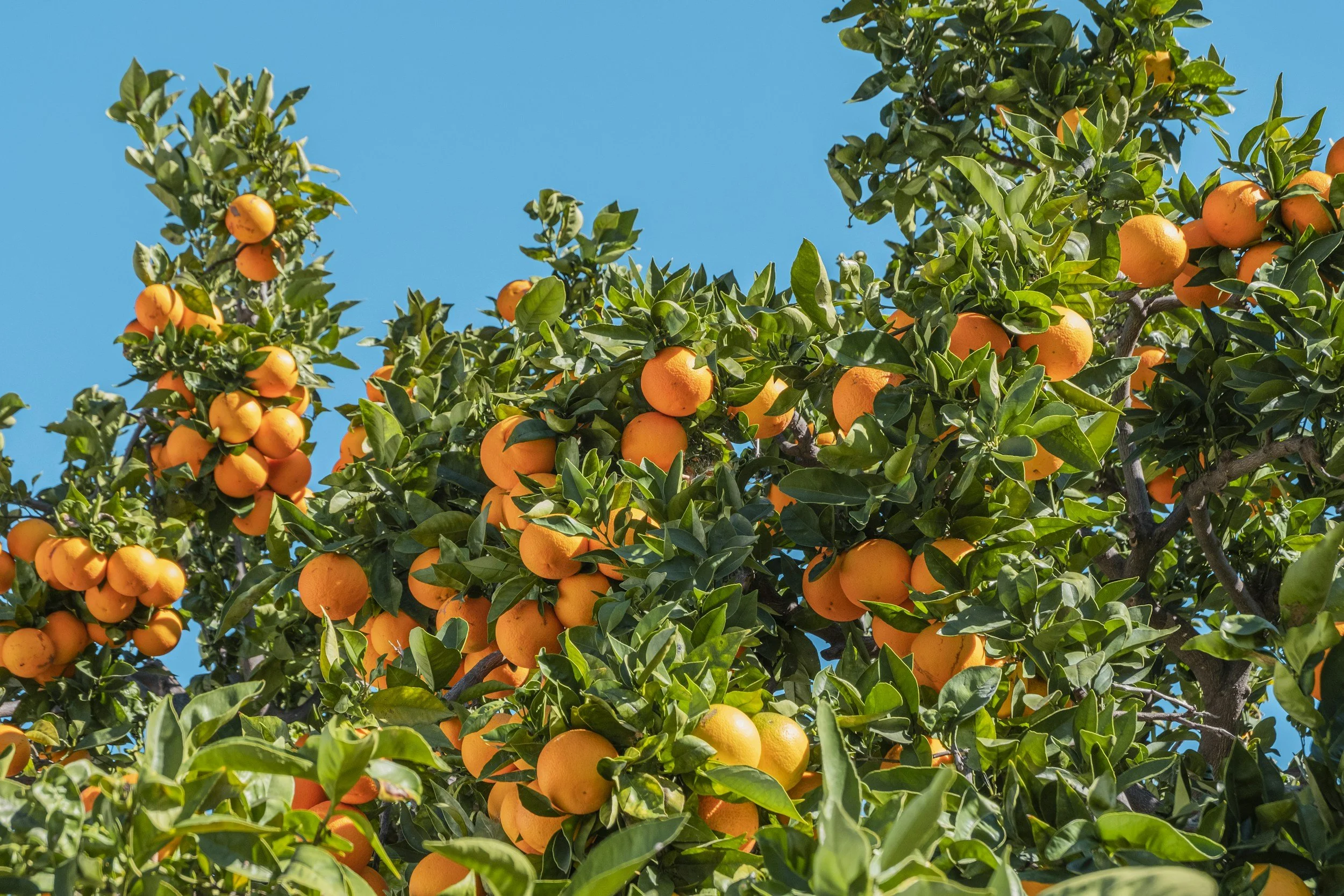
When it comes to eating for health, one of the simplest truths is this: more plants = more benefits. But it’s not just about the number of servings you eat a day- it’s about the variety. Each fruit, vegetable, grain, legume, nut, and seed brings its own unique package of vitamins, minerals, antioxidants, and plant compounds. When you eat a wide range of plants, you give your body access to a symphony of nutrients that work together to protect your health, boost your energy, and keep your systems running smoothly.
This diversity also fuels something even deeper: your gut health. Your microbiome, the trillions of beneficial microbes living in your digestive system, thrives on variety. The more types of plant foods you feed it, the more diverse and resilient your microbiome becomes. A strong, balanced microbiome has been linked to better digestion, stronger immunity, lower inflammation, and even improved mood. In fact, research shows that eating at least 30 different plant foods each week is one of the best ways to support gut health- a challenge that becomes surprisingly fun when you start exploring beyond your usual staples.
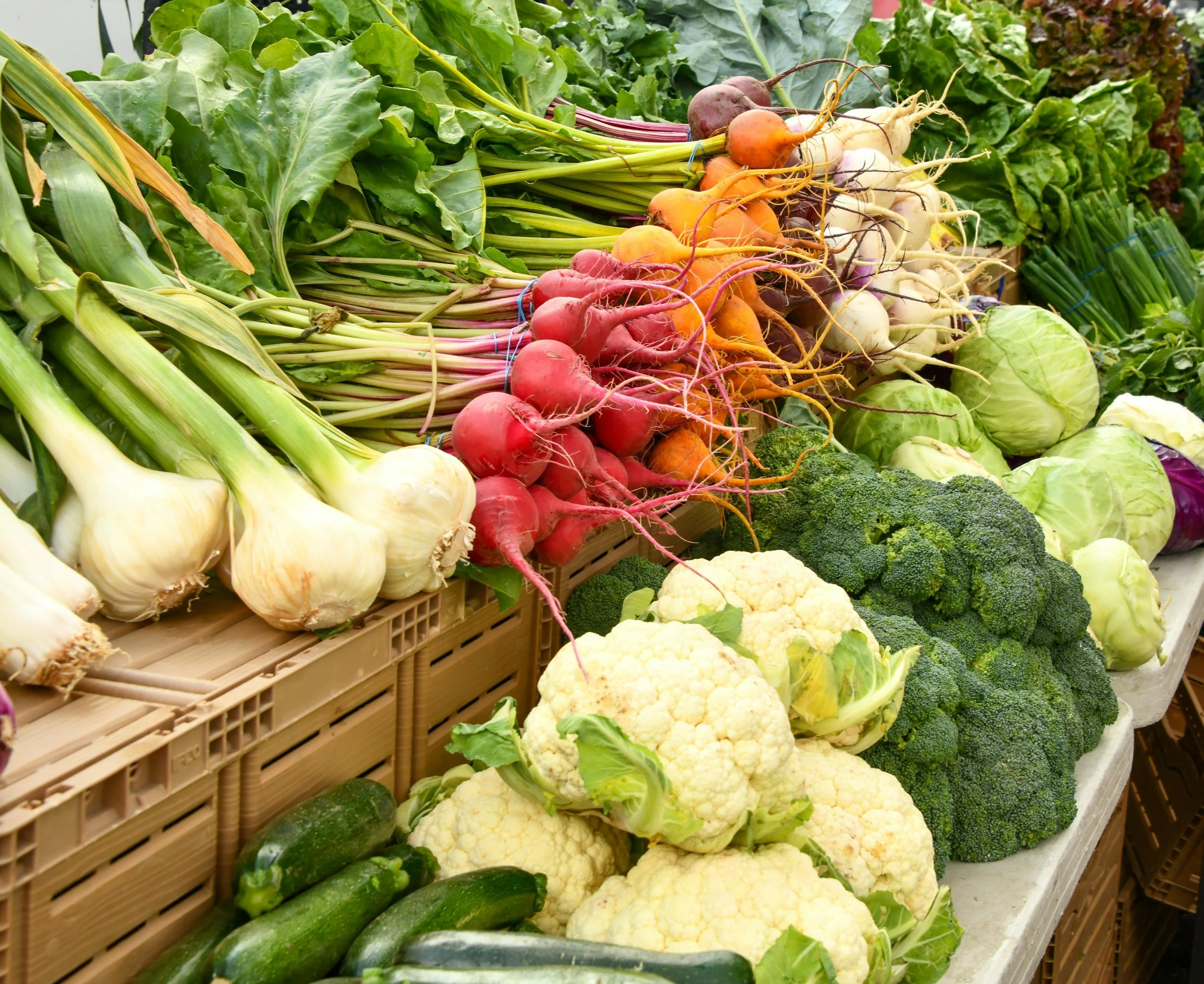
That’s where global flavors come in. It’s natural to fall back on familiar favorites (we all do it!), but the world is brimming with delicious plant foods waiting to be discovered. Think black beans and plantains from Central America, lentils and barley from Eastern Europe, or millet and okra from West Africa. By cooking with ingredients from around the world, you naturally boost your plant diversity while also broadening your palate and your culinary skills. This course is designed to be your passport to that kind of exploration- helping you expand both your kitchen horizons and your microbiome at the same time.
So instead of thinking of variety as a chore, think of it as an adventure. Every time you add a new ingredient, herb, or spice to your meals, you’re not only making your food more vibrant and exciting- you’re giving your body and your gut a gift. Who knows? That “new” food might just become your next comfort dish or favorite go-to. By the end of this journey, you’ll have more than just a few new recipes under your belt. You’ll have a richer, more resilient way of eating that supports your health, sparks joy in the kitchen, and connects you to the incredible flavors of the world.