
New to the Global Flavor Atlas?
Check out From Map to Meal to learn how to turn these ingredient guides into delicious, globally inspired dishes!
Southern & Southeastern Asia
Vietnamese

Regional Overview
The Area
Vietnam stretches along the eastern edge of the Indochinese Peninsula, bordered by China to the north, Laos and Cambodia to the west, and the South China Sea to the east. It is often divided into three main cultural and geographic regions: the north, the central coast, and the south. Each region has been shaped by its distinct history, topography, and outside influences, giving Vietnam remarkable regional diversity.
The Landscape
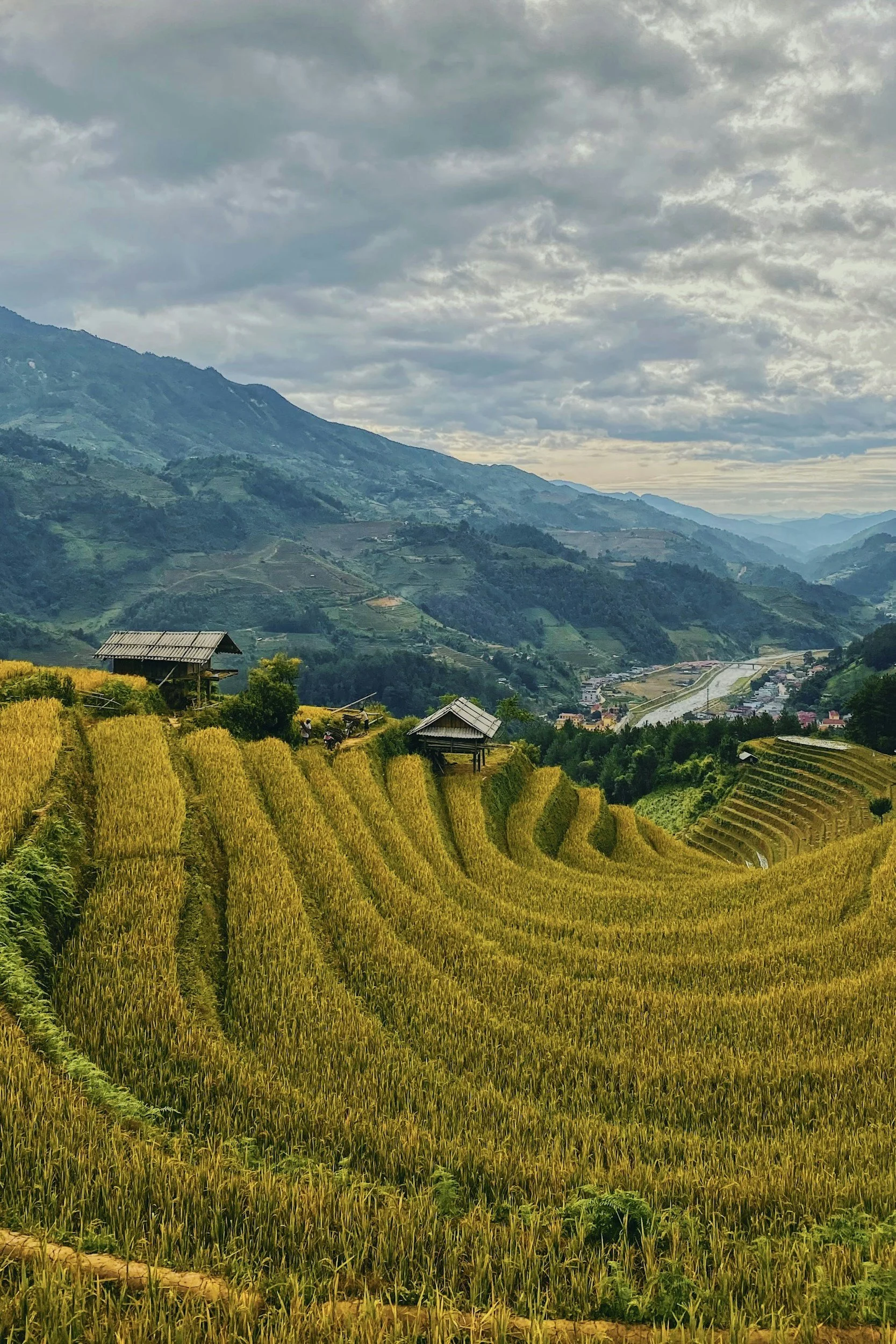
The country features dramatic contrasts- from the rugged mountains of the north, to the fertile Red River and Mekong deltas, to the long central coastline lined with sandy beaches and lagoons. Lush forests, terraced hillsides, and winding rivers define the interior, while the lowland plains are home to bustling cities and thriving farmland. These varied landscapes provide both isolation and connection, shaping local identities and traditions.
The Climate
Vietnam’s climate ranges from subtropical in the north to tropical in the south. The north experiences four seasons, with cooler winters and hot, humid summers, while the south is defined by wet and dry tropical cycles. Monsoon rains are crucial for agriculture, particularly in the deltas, while coastal storms can challenge livelihoods. This climatic variety influences daily routines, from farming cycles to seasonal gatherings.
Traditional Flavors
Flavor Profile
Fresh, herbal, tangy, savory, balanced, aromatic
Culinary Essence
Vietnamese cuisine is celebrated for its balance of flavors and textures, often combining fresh herbs, crisp vegetables, fermented condiments, and brothy elements in the same meal. Rice and rice-based products provide the foundation, while legumes, tofu, and vegetables build substance and variety. Meals are often communal, with small dishes, dipping sauces, and herbs allowing diners to personalize each bite.
Seasonal Notes
In the hot, humid climate, dishes lean toward light, refreshing preparations featuring raw vegetables, herbs, and citrus. During cooler northern winters, heartier soups, porridges, and slow-simmered stews take the spotlight. Across regions, preserved vegetables and fermented condiments provide continuity, ensuring flavor even when fresh produce is less available.

Kitchen Inspiration
Here’s how ingredients, cooking styles, and classic dishes connect in this cuisine.
Flavor Combo Ideas
Lime + chili + fresh herbs
Ginger + soy sauce + green onion
Tamarind + garlic + chili
Mint + cucumber + rice noodles
Cooking Methods
Simmering – broths, soups, and stews.
Steaming – rice cakes, vegetables, and dumplings.
Stir-frying – quick, high-heat cooking with aromatics.
Grilling – vegetables, tofu, and skewered dishes with smoky depth.
Dish References
Herbal noodle soup with vegetables and tofu (pho chay)
Fresh spring rolls with herbs and rice noodles (goi cuon)
Noodle salad with crispy spring rolls (bun cha gio chay)
Broken rice bowl with vegetables and tofu (com tam)
Sour tamarind soup with pineapple and tomato (canh chua)
Signature Ingredients
Here are the plant-based ingredients that define this sub-region. Click to explore each category below.
-
Beans & Lentils
Mung beans
Soybeans
Soy Products
Tofu (traditional; used in soups, stir-fries, braises, and fresh rolls)
Tempeh (modern substitute for grilled or stir-fried meat)
-
Whole Grains
Jasmine rice
Sticky rice
Broken rice (com tam)
Grain Products
Rice noodles (for pho)
Rice paper
-
Starchy Vegetables
Sweet potatoes
Taro
Cassava
Non-Starchy Vegetables
Cucumbers
Tomatoes
Carrots
Daikon radish
Bean sprouts
Bamboo shoots
Mushrooms
Eggplant
Onions
Green beans
Leafy Greens
Cabbage
Lettuce
-
Whole Foods
Peanuts
Cashews
Coconut
Plant Oils
Peanut oil
Coconut oil
-
Herbs
Mint
Cilantro
Thai basil
Lemongrass
Scallions
Spices
Black pepper
Fresh and dried chilies
Ginger
Star anise
Cinnamon
Cloves
Cardamom
-
Condiments & Flavorings
Soy sauce
Hoisin sauce
Chili paste
Coconut milk (soups, curries, desserts)
Acids & Brighteners
Lime
Tamarind
Vinegar
Pickled vegetables (daikon, carrot, mustard greens)
-
Mangoes
Bananas
Papayas
Pineapples
Lychees
Longans
Guavas
Dragon fruit
Citrus (limes, oranges, tangerines)
Melons (watermelon, cantaloupe)