
New to the Global Flavor Atlas?
Check out From Map to Meal to learn how to turn these ingredient guides into delicious, globally inspired dishes!
Sub-Saharan Africa
Western Africa

Regional Overview
The Area
Western Africa stretches along the Atlantic coast and inland across the Sahel, including countries such as Nigeria, Ghana, Senegal, Mali, Ivory Coast, Sierra Leone, Gambia, Guinea, Benin, Togo, and Burkina Faso. This region is home to hundreds of ethnic groups and languages, with a rich history shaped by kingdoms, trade routes, and cultural exchange.
The Landscape
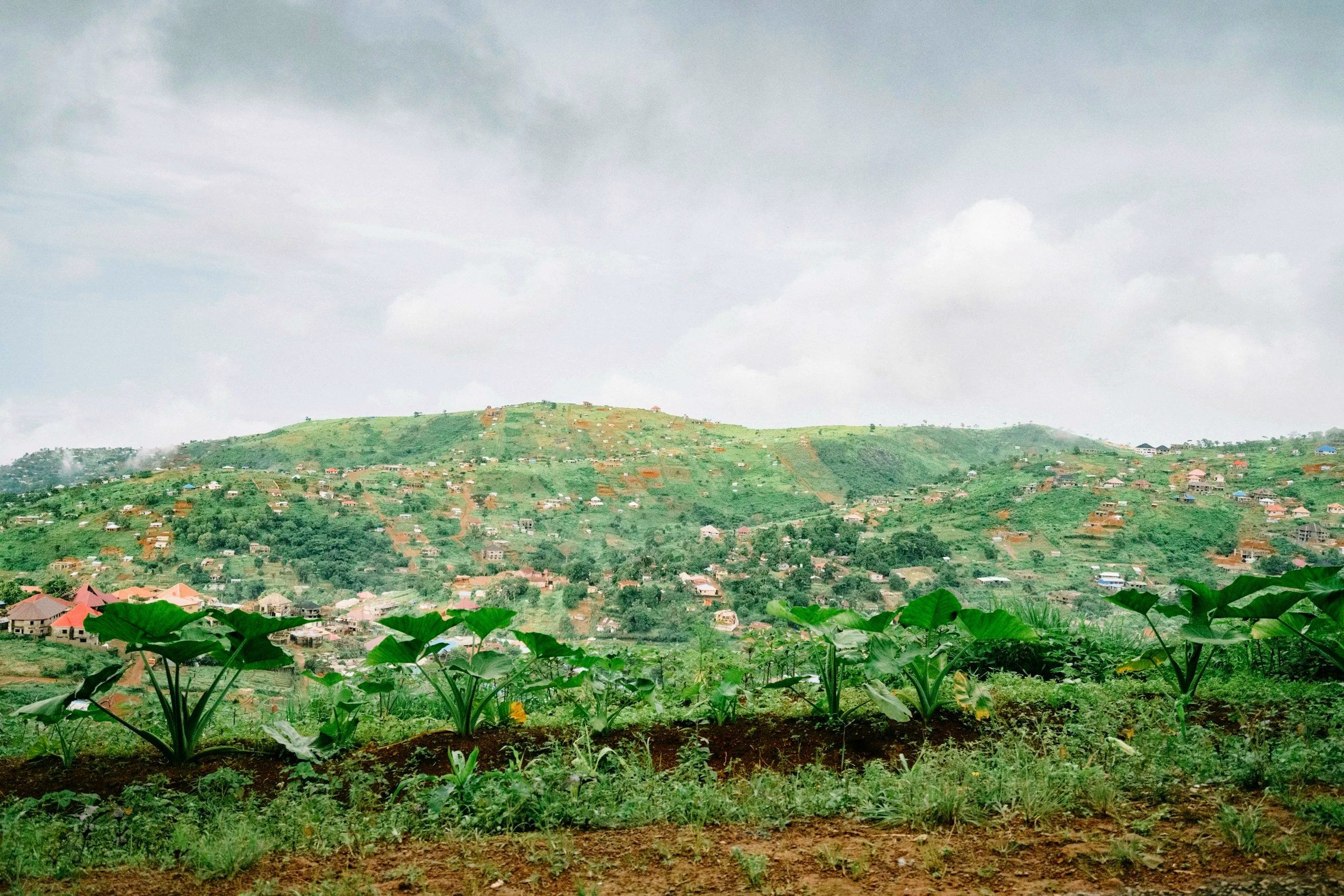
The land varies from lush coastal mangroves and tropical forests to vast savannas, rolling plateaus, and the edge of the Sahara desert. Major rivers like the Niger, Senegal, and Volta sustain agriculture and communities, while inland lagoons and deltas provide fertile ground for farming. The coastline alternates between sandy beaches, estuaries, and rocky cliffs.
The Climate
Western Africa experiences a tropical climate with distinct wet and dry seasons. Coastal areas are humid, while inland regions shift between savanna and semi-arid conditions. The rainy season brings fertile growth and green landscapes, while the dry Harmattan winds of winter carry dust from the Sahara, shaping daily life and agricultural cycles.
Traditional Flavors
Flavor Profile
Spicy, smoky, nutty, earthy, hearty, aromatic
Culinary Essence
Western African cuisine is bold, layered, and communal, built around grains, tubers, legumes, and deeply seasoned stews. Spice blends, chili peppers, groundnuts (peanuts), and fermented seasonings give depth and heat, while leafy greens, tomatoes, and onions provide balance. Meals are often one-pot, hearty, and designed to be shared, reflecting both practicality and hospitality.
Seasonal Notes
During the rainy season, fresh greens, okra, and maize are abundant. Dry season meals lean on yams, cassava, millet, sorghum, and preserved condiments for sustenance. Festivals often highlight seasonal harvests, such as groundnuts, plantains, or rice, marking the patterns of the year with celebratory meals that bring communities together.

Kitchen Inspiration
Here’s how ingredients, cooking styles, and classic dishes connect in this cuisine.
Flavor Combo Ideas
Peanuts + tomato + chili
Okra + onion + palm oil
Black-eyed peas + ginger + leafy greens
Plantain + chili + lime
Cooking Methods
Stewing – long-simmered soups and stews enriched with spices and peanuts
Braising – vegetables and legumes cooked in spiced bases
Roasting – yams, plantains, and maize roasted over open flame
Steaming – millet and rice cooked into hearty bases
Dish References
Peanut stew (maafe)
Jollof rice (tomato, onion, and spice base)
Black-eyed pea fritters (akara, baked or steamed)
Stewed greens with onions and chili
Signature Ingredients
Here are the plant-based ingredients that define this sub-region. Click to explore each category below.
-
Beans & Lentils
Black-eyed peas
Brown lentils
Garbanzo beans
Soy Products
Tofu (modern stand-in for fish or meat in stews like maafe or okra-based soups)
Tempeh (substitute for grilled or braised meats in spicy skewer or stew preparations)
-
Whole Grains
Millet
Sorghum
Rice (long-grain, foundational for jollof and pilafs)
Fonio
Grain Products
Flatbreads (millet or sorghum-based)
Rice-based porridges
-
Starchy Vegetables
Yams
Cassava
Plantains
Sweet potatoes
Non-Starchy Vegetables
Tomatoes
Onions
Garlic
Okra
Bell peppers
Chili peppers
Eggplant
Leafy Greens
Spinach
Collard greens
-
Whole Foods
Peanuts (groundnuts)
Avocado
Coconut
Plant Oils
Palm oil
Peanut oil
Coconut oil
Plant-oil butter (stand-in where traditional dairy butter is used in some modern dishes)
-
Herbs
Parsley
Mint
Thyme
Bay leaf
Spices
Black pepper
Chili powders and Scotch bonnet–style heat
Ginger
Suya spice (blend: peanuts, hot pepper, garlic, ginger)
Nutmeg
Cloves
Anise
-
Condiments & Flavorings
Peanut sauce
Tomato paste
Roasted red pepper purées (common base in jollof-style dishes)
Acids & Brighteners
Lime
Vinegar
Tamarind
Pickled chilies and vegetables
-
Bananas
Plantains
Mangoes
Papayas
Guavas
Pineapples
Citrus (oranges, limes, lemons)
Melons (watermelon, cantaloupe)
Dates