
Why Plantify Your Meals?

Your Health
Tragically, the #1 leading cause of death in the U.S., and many parts of the world, is diet-related disease. While that may sound discouraging, it also offers an incredible opportunity: we have more control than we think.
Incorporating more plants into your meals is one of the most effective ways to prevent and even reverse chronic conditions like heart disease, type 2 diabetes, and certain cancers. Plants are naturally packed with nutrients that support every system in the body. By focusing on whole, minimally processed plant foods, you give yourself the best chance at long-term energy, vitality, and well-being- while reducing harmful fats, additives, and excess sugar.

Our Society & Environment
Your plate has power.
As more people shift toward plant-forward eating, we lighten the burden on our healthcare system, reduce food-related emissions, and use less land, water, and energy. Plant-based diets are significantly more sustainable than those centered around animal products. Choosing plants also supports healthier soils, protects biodiversity, and eases pressure on forests and oceans. Building meals around plant foods often costs less, which supports both family budgets and community food access. By Plantifying your meals, you're making choices that protect the environment, promote food justice, and help preserve precious resources for future generations.
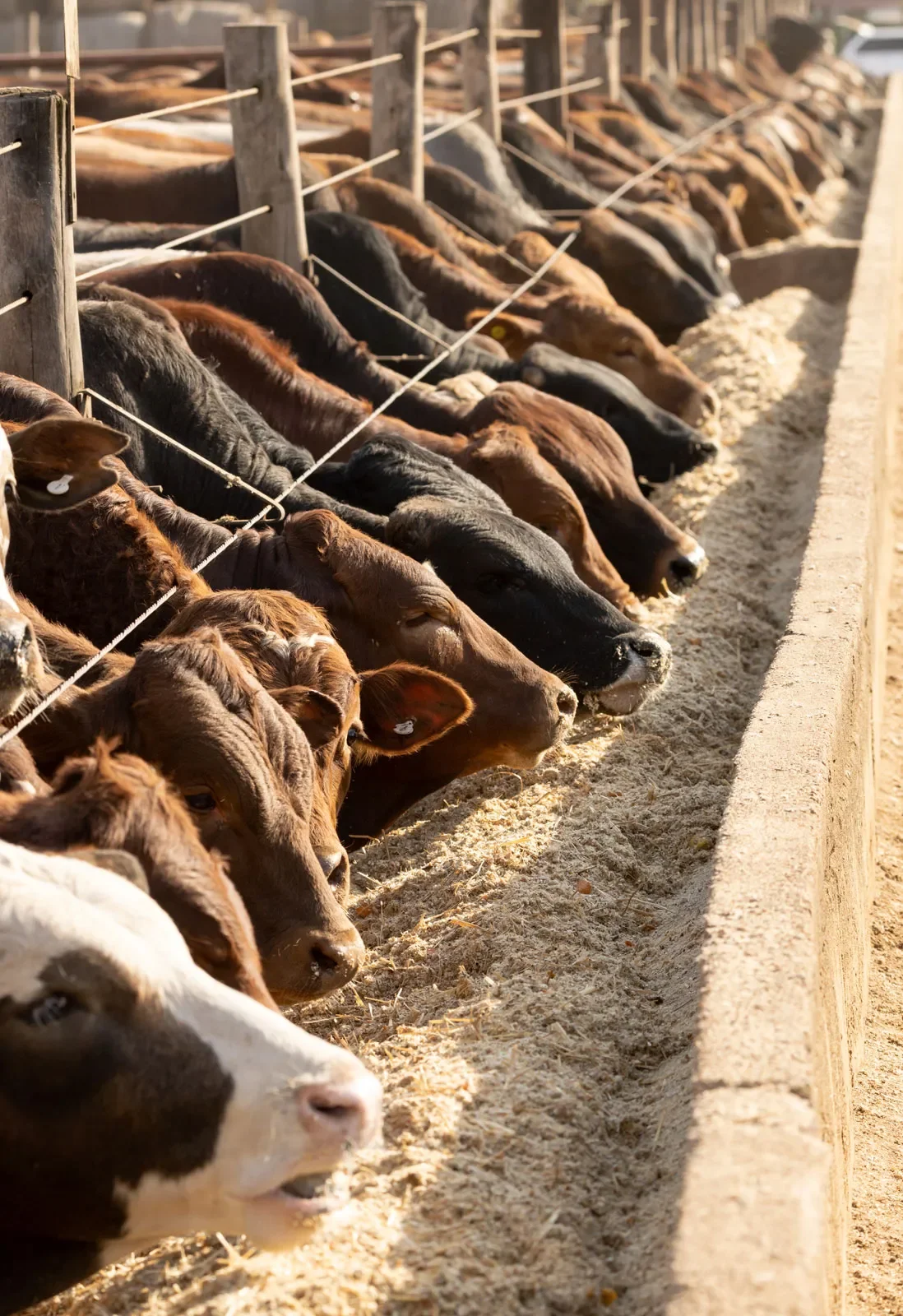
The Animals
Perhaps the clearest ethical benefit: choosing plants spares animals from suffering. Industrial animal agriculture confines sentient beings in crowded, stressful systems that deny natural behaviors and end in slaughter. A plant-rich plate shifts demand away from those systems, reducing the number of animals bred, confined, and killed for food. It also reframes our relationship with animals, from commodities to creatures worthy of compassion and respect. You don’t need a label to contribute; every plant-forward swap is a small act of kindness that compounds over time. Even if meat stays on your plate, choosing plants more often still reduces harm. When taste and habit meet values, we can still eat joyfully while aligning with empathy. One plate, multiplied, changes lives.
Now that we’ve covered the health, societal, economic, moral, and environmental benefits of eating fewer animal products, the only question left to ask is:
“Are your taste buds more important than their life?”